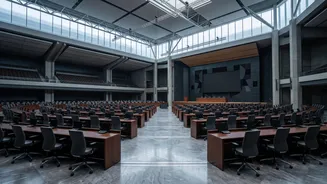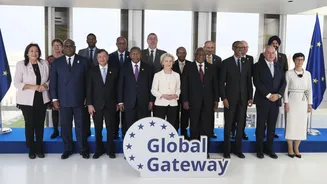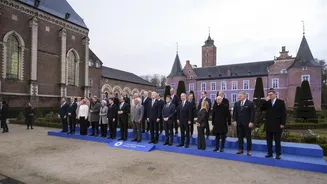




The longest UN climate summit in history has ended in failure. After two weeks of tense negotiations in Antalya, Turkey, nearly 200 nations departed without a joint agreement, leaving the future of global climate cooperation in serious doubt.
What Went Wrong in Antalya?
The COP31
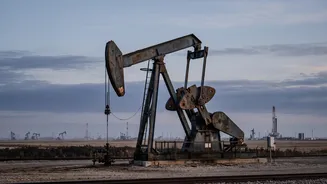
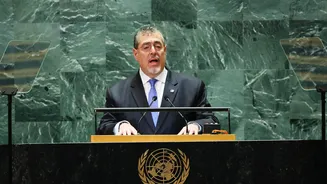
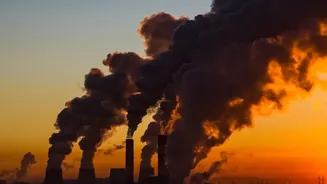
talks collapsed on Sunday, November 22, after running more than two days into overtime. The primary reason for the breakdown was an unbridgeable divide over the future of fossil fuels. A draft agreement, called the Antalya Pact, was ultimately rejected because it contained no mention of phasing out or even phasing down coal, oil, and gas—the main drivers of climate change. A coalition of nations, including the European Union and many climate-vulnerable states, argued that accepting a deal without addressing fossil fuels would be a significant step backward. UN Secretary-General António Guterres called the outcome a 'deeply disappointing' setback, blaming the influence of 'powerful fossil fuel interests'.
The Old Divide: Finance and Fairness
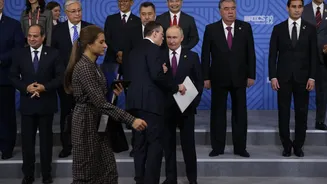
Beneath the surface of the fossil fuel debate was the persistent and contentious issue of climate finance. Developing nations, led by a strong contingent from the global South including India, reiterated their demand for developed countries to meet their financial obligations. These nations argued that they cannot be expected to shoulder the burden of transitioning to clean energy without substantial financial support from the historical polluters of the developed world. However, with many wealthy nations facing strained budgets, the appetite for new, large-scale public climate funding was low. The failure to make meaningful progress on a plan to triple adaptation finance, a goal from a previous summit, further eroded trust between the global North and South.
India's Stand: A Push for Equity
Throughout the summit, India positioned itself as a champion of 'climate justice'. The Indian delegation forcefully argued that any global climate action must be rooted in the principle of 'Common but Differentiated Responsibilities', meaning that richer nations with a longer history of emissions have a greater responsibility to act and to pay. India declined to sign on to a voluntary pledge to boost electrification without a corresponding commitment to fairness and financial support. New Delhi's negotiators stressed that while the country is committed to its own climate goals, it will not compromise on the development aspirations of its people in the absence of adequate international support.
What Happens Now?
The failure to secure a deal at COP31 is the first such collapse since the Copenhagen summit in 2009. While it does not nullify the commitments countries have already made under the Paris Agreement, it deals a significant blow to the multilateral process. Experts suggest the focus will now shift away from a single, all-encompassing global agreement. Instead, we may see an increased emphasis on smaller 'coalitions of the willing' and agreements between blocs of countries, alongside action from cities and the private sector. However, this fragmented approach raises serious questions about accountability and ensuring that the world's most vulnerable are not left behind. The unresolved issues from Antalya will now be carried over to COP32, set to be held in Ethiopia.