






Turmeric & Ginger: The Immunity Duo
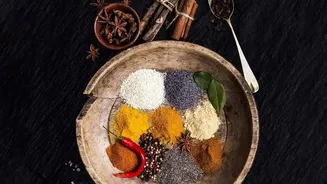
This powerful pair is a staple in Indian kitchens and becomes even more crucial during the monsoon. Turmeric, with its active compound curcumin, is a natural immunity booster known for its potent anti-inflammatory, antiviral, and antibacterial properties.
A warm glass of 'haldi doodh' before bed is a traditional remedy for a reason. Ginger is equally valuable, celebrated for its ability to soothe a sore throat, improve digestion, and combat the common cold and flu. It’s a warming spice that helps the body adapt to the damp, cool weather. Adding these generously to your dals, curries, and teas can help keep seasonal illnesses at bay.
Indian Black Plum (Jamun): The Seasonal Gem
Jamun is a quintessential monsoon fruit for good reason. It's packed with Vitamin C and antioxidants like anthocyanins, which are essential for strengthening the immune system to fight off infections that are common during the rainy season. For those managing their blood sugar, jamun is particularly beneficial as it contains compounds that can help regulate glucose levels and has a low glycemic index. It's also low in calories and high in dietary fibre, aiding digestion and preventing issues like bloating that can be more frequent during this season.
Gourds: The Digestive Guardians
The family of gourds—including bottle gourd (lauki), bitter gourd (karela), and ridge gourd (turai)—are highly recommended during the monsoon. Though sometimes overlooked, they are nutritional powerhouses. Bitter gourd, despite its sharp taste, is rich in Vitamin C and has antiviral properties that are excellent for boosting immunity. It also stimulates digestive enzymes and its high fibre content aids gut health. Bottle gourd is incredibly hydrating and easy on the stomach, making it perfect for a time when the digestive system can be sensitive. These vegetables are best consumed cooked, perhaps in a light curry or soup.
Pomegranate (Anaar): The Antioxidant Powerhouse
This vibrant fruit is another excellent addition to your monsoon diet. Pomegranates are loaded with powerful antioxidants that help protect the body's cells from damage and support overall immunity. They are a rich source of Vitamin C and B vitamins that can help improve blood circulation and fight off common infections like the cold and flu. Regular consumption may also help increase haemoglobin levels, combating the fatigue and low energy that many people experience during the gloomy, rainy days. Add the ruby-red arils to salads, yogurt, or enjoy them on their own.
Millets (Jowar & Ragi): The Gut-Friendly Grains
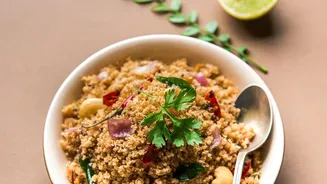
Swapping refined grains for millets like sorghum (jowar) and finger millet (ragi) is a smart move during the monsoon. These grains are gluten-free, high in fibre, and easier to digest, which is a significant advantage when the digestive system tends to be sluggish. They provide sustained energy through complex carbohydrates and are packed with essential nutrients like calcium and iron that help strengthen the body. Ayurveda also recommends light grains during this season, and millets fit the bill perfectly, helping to keep you satiated and promoting good gut health.
Garlic (Lehsun): Nature's Antibiotic
Garlic is highly valued for its strong antibacterial and antifungal properties, making it a crucial ingredient for monsoon wellness. Its active compound, allicin, is known to help the body fight off a range of infections. Including garlic in your daily cooking—from tadkas for dal to flavourful vegetable stir-fries—can help bolster your immune system's defences against pathogens that thrive in the damp weather. It works in synergy with ginger and turmeric, creating a formidable trio against seasonal health issues.