





Beyond the Gram Count: Quality Over Quantity
In the quest for a healthier diet, protein has become a superstar. From protein bars to fortified cereals, the market is flooded with options boasting high gram counts. But simply choosing the product with the biggest number on the front isn't the smartest
strategy. The effectiveness of a protein source depends on more than just its quantity; it hinges on its quality, which involves factors like its amino acid profile and how easily your body can actually use it.
Complete vs. Incomplete: The Amino Acid Puzzle
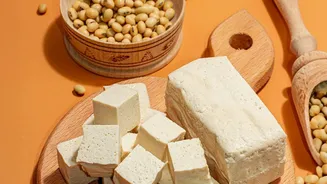
Proteins are made of building blocks called amino acids. Our bodies need 20 different types, nine of which are called 'essential' because we must get them from food. A 'complete protein' contains all nine of these essential amino acids in sufficient amounts. Animal-based foods like meat, fish, eggs, and dairy are classic examples of complete proteins. Some plant-based foods, such as soy, quinoa, and chia seeds, also make the list. Most other plant proteins, like those in beans, lentils, and grains, are 'incomplete', meaning they are low in one or more essential amino acids. This doesn't make them inferior, but it does mean you need to eat a variety of plant-based sources throughout the day to ensure you're getting the full set of essential building blocks your body needs.
Bioavailability: Can Your Body Actually Use It?
Bioavailability is a key concept that refers to how well your body can digest, absorb, and utilize the protein you eat. Not all protein sources are absorbed with the same efficiency. Animal proteins generally have a high bioavailability, meaning a large percentage of the protein you consume is put to work. Plant proteins can sometimes be less bioavailable due to the presence of fibre and other compounds known as anti-nutrients, which can slightly hinder absorption. However, simple food preparation methods like cooking, soaking, or fermenting can significantly improve the digestibility of plant-based proteins. The goal isn't to only eat the most bioavailable foods, but to understand that the number on the label doesn't always equal the amount your body absorbs.
Watch Out for Unwanted Extras
Many products advertised as 'high-protein' use this health halo to mask less desirable ingredients. It's common for protein bars, flavoured yogurts, and breakfast cereals to be loaded with hidden sugars, unhealthy fats, and high levels of sodium. These additives can quickly turn a supposedly healthy snack into something that works against your wellness goals. For example, some protein bars contain as much sugar as a candy bar, often disguised under names like corn syrup, agave nectar, or fruit juice concentrate. The ingredient list, which is ordered by weight, tells the real story. If sugar or a filler like maltodextrin is one of the first few ingredients, you might be getting more than you bargained for.
Your 3-Step Guide to Reading the Label
Becoming a smarter protein consumer is about looking at the whole picture. The next time you pick up a packaged food, ignore the front-of-pack hype and flip it over. First, check the protein per serving, but also look at the serving size itself to make sure it's realistic. Second, scan the ingredients list. What is the primary source of the protein? Is it a whole food like milk solids, soy, or nuts, or is it a lower-quality filler? Third, check the 'added sugars' and sodium content. This gives you a much clearer picture of the product's true nutritional value. A good rule of thumb in India is to also look for the FSSAI license number to ensure the product meets basic regulatory standards.