
The Dark Sky Secret
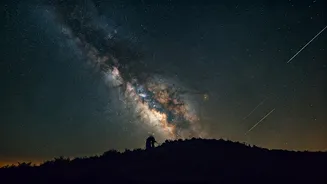
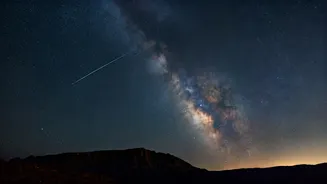
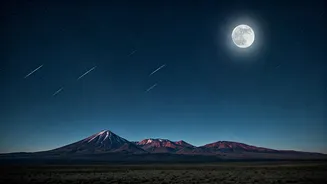
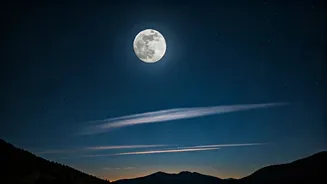
The most important factor for seeing meteors isn't a fancy telescope—it's a dark sky. The biggest obstacle to a dark sky is often the Moon. Bright moonlight can wash out all but the most brilliant fireballs, reducing a potential shower to just a few visible
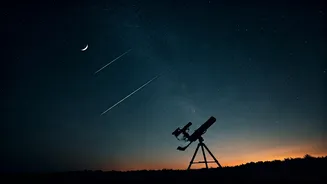
streaks. This is where the idea of a "month-end" habit comes into play. While not strictly tied to the last day of the calendar month, the best viewing window occurs during the new moon phase. This is when the Moon is positioned between the Earth and the Sun, leaving its unlit side facing us. The result is the darkest possible night sky, creating a perfect canvas for a meteor shower. Since the lunar cycle is about 29.5 days, planning your sky-gazing around the new moon effectively turns it into a monthly habit.
Your 2026 Meteor Calendar
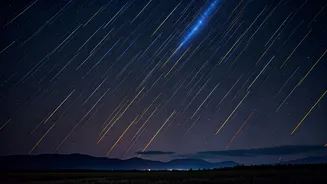
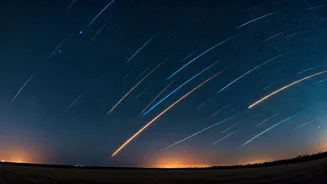
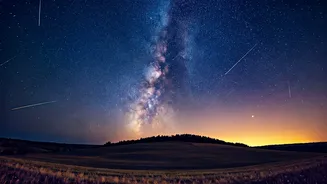
Not all meteor showers are created equal, and their visibility changes each year based on the lunar cycle. For 2026, some showers are perfectly timed while others face moonlight interference. The upcoming Southern Delta Aquariids, which peak around July 30-31, will unfortunately be washed out by a nearly full moon. But don't be discouraged. The year's best show is just around the corner: the Perseids. Peaking on the night of August 12-13, the Perseids coincide perfectly with a new moon, promising spectacular, dark-sky conditions. Viewers in rural locations could see up to 60 to 100 meteors per hour. Later in the year, look out for the Geminids, another fan favourite. They peak on December 13-14 with only a slim crescent moon, making for excellent viewing.
Location and Comfort are Key
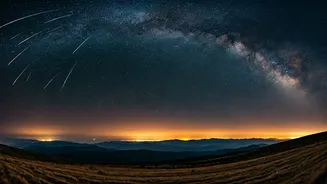
To make the most of a dark, moonless night, you need to escape city lights. Even a 30-minute drive out of town to a park or rural area with a wide-open view can make a huge difference. Light pollution from urban centres can drastically reduce the number of meteors you'll see. Once you've found your spot, get comfortable. This is a waiting game, not a quick glance. A reclining lawn chair or a thick blanket on the ground will save you from a sore neck. Dress in layers, as even summer nights can get chilly in the predawn hours, which are often the best time to watch. A thermos of a warm drink is a classic and welcome companion for any stargazing session.
Let Your Eyes Adjust
The single most overlooked step is giving your eyes time to adapt to the darkness. It takes about 20 to 30 minutes for your pupils to fully dilate and for you to start seeing the fainter stars—and meteors. During this time, and throughout your viewing session, avoid looking at your phone. The bright white light from a screen will instantly reset your night vision, and you’ll have to start the adjustment process all over again. If you need a light, use a red-light torch, as red light has a minimal effect on your night vision. You don't need to stare at one specific spot, known as the radiant; meteors will appear all across the sky. In fact, looking slightly away from the radiant can often reveal longer, more dramatic streaks.
Set Realistic Expectations
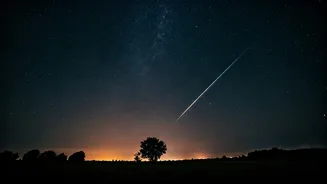
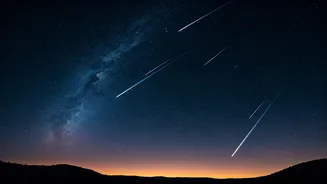
Despite what you might see in movies, meteor showers are rarely a constant downpour of shooting stars. They come in spurts, with periods of calm in between. Be patient. The numbers often cited, like "100 meteors per hour," represent ideal conditions in a perfectly dark sky, viewed at the peak. Seeing a dozen or more good meteors over the course of an hour is a wonderful experience. These celestial events are caused by Earth passing through streams of debris left by comets or asteroids, with most of the particles being no larger than a grain of sand. Each streak of light is a tiny piece of cosmic dust burning up in our atmosphere, a fleeting moment of beauty worth waiting for.