





More Than Just a Luxury
A canine pool is much more than a toy; it’s a vital tool for preventing heatstroke, a serious and potentially fatal condition for dogs. Unlike humans, dogs primarily cool themselves by panting, which becomes inefficient in extreme heat and humidity. Breeds
with thick fur (like Huskies and German Shepherds) or short snouts (like Pugs and Bulldogs) are especially vulnerable. Simply providing shade and water to drink is often not enough. Immersing their body in cool water allows them to lower their core temperature quickly and effectively, offering immediate relief when they need it most. A pool provides a proactive way to manage their body heat throughout the day, reducing the risk of overheating before it becomes an emergency.
Choosing the Right Pool for Your Pup
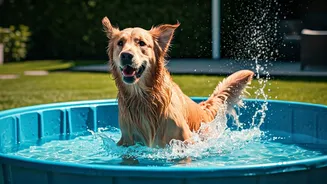
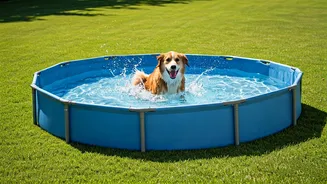
Not all pools are created equal, especially when it comes to withstanding paws and claws. Forget flimsy inflatable kiddie pools, which can be punctured in seconds. Your two best options are foldable PVC pools and hard plastic models. Foldable pools are excellent for storage and portability, often made from heavy-duty, scratch-proof PVC. Look for models with a textured, non-slip bottom to prevent accidents. Hard plastic pools are incredibly durable and resistant to chewing, making them a great permanent or semi-permanent fixture. When choosing a size, ensure your dog can comfortably lie down and splash around, but isn’t so deep that a smaller dog would struggle. A built-in drainage plug is another non-negotiable feature, saving you the hassle of tipping over a heavy, full pool.
Creating a Safe Splash Zone
Once you have the pool, setting it up safely is crucial. Place it on a level surface, away from any potential hazards. Fill it with just enough fresh, cool water for your dog to play in safely—for most dogs, water that comes up to their mid-leg or chest is sufficient. Always supervise your dog while they are in or around the pool, just as you would a child. This prevents accidents and allows you to monitor them for any signs of fatigue or distress. The water should be changed every day or two to prevent the growth of bacteria, algae, or mosquito larvae, which can lead to skin infections or illness. Avoid using chlorine or other human pool chemicals, as these can be harmful if ingested or can irritate your dog’s skin and eyes.
Making a Positive First Impression
While many dogs take to water instantly, others may be hesitant. The key is to make the pool a positive and rewarding place. Never force your dog into the water, as this can create a lifelong fear. Instead, start by luring them in with their favourite waterproof toy or a high-value treat. Keep the initial water level very low and gradually increase it as they become more comfortable. Get in the water with them if the pool is large enough, or sit by the edge and splash playfully. Keep sessions short and fun, ending on a high note before they get tired or overwhelmed. With patience and positive reinforcement, even the most sceptical pup can learn to love their summer oasis.
Beyond the Pool: Total Summer Care
A pool is an excellent cooling tool, but it should be part of a broader summer safety plan for your pet. Always ensure they have access to plenty of fresh, cool drinking water. Avoid walking them on hot asphalt or pavement, which can burn their paw pads—if it’s too hot for your hand, it’s too hot for their paws. Schedule walks for the early morning or late evening when temperatures are coolest. Finally, learn the signs of heatstroke: excessive panting, drooling, bright red gums, lethargy, vomiting, or unsteadiness. Knowing what to look for can help you act fast in an emergency.