




From Showpiece to Everyday Hub
For generations, many Indian homes featured a ‘drawing room’—a formal, often immaculate space reserved for entertaining guests. It housed the ‘good’ sofa, was decorated with prized possessions, and was a room more looked at than lived in. Meanwhile, daily
life—watching TV, casual chats, and afternoon naps—happened in a separate, more functional family room or den. Today, that division is blurring. Driven by a confluence of social and economic factors, the living room is transforming from a static showpiece into the dynamic, multitasking hub of the home. It’s where work laptops are opened, children do their homework, and families gather for movie nights. This evolution means the furniture that fills it must now work as hard as the people who use it. The focus has decisively shifted from ornamentation to everyday performance.
The Forces Driving the Change
This significant shift didn’t happen overnight. A primary catalyst has been the widespread adoption of remote and hybrid work models. With home doubling as the office, the living room often serves as a workspace, demanding comfortable seating and adaptable furniture that can support long hours of use. Simultaneously, rapid urbanisation has led to smaller average home sizes, particularly in metropolitan areas. In compact apartments, every square foot must be optimised, making a rarely-used formal room a luxury many can't afford. This spatial constraint has made multifunctional furniture not just a trend, but a necessity. Evolving family structures, with a rise in nuclear households, also mean that homes are designed more around the immediate family’s comfort rather than for formal, large-scale entertaining.
Function Over Formality
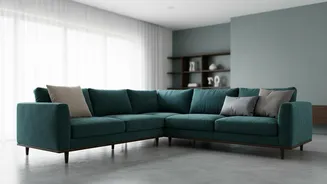
As lifestyles have become more dynamic, so has the demand for adaptable furniture. The new mantra is function over pure formality. Consumers are increasingly seeking out pieces that offer versatility and convenience. This includes classics like sofa beds, which are perfect for guest rooms or studio apartments, and beds with built-in hydraulic or drawer storage to reduce clutter. Other popular items include expandable dining tables that can accommodate guests when needed, and wall-mounted desks or cabinets that fold away to free up valuable floor space. The demand for modular sofas that can be reconfigured to suit different occasions is also on the rise. These pieces allow homeowners to use their space more efficiently without making it feel crowded or compromised.
A New, Comfortable Indian Aesthetic
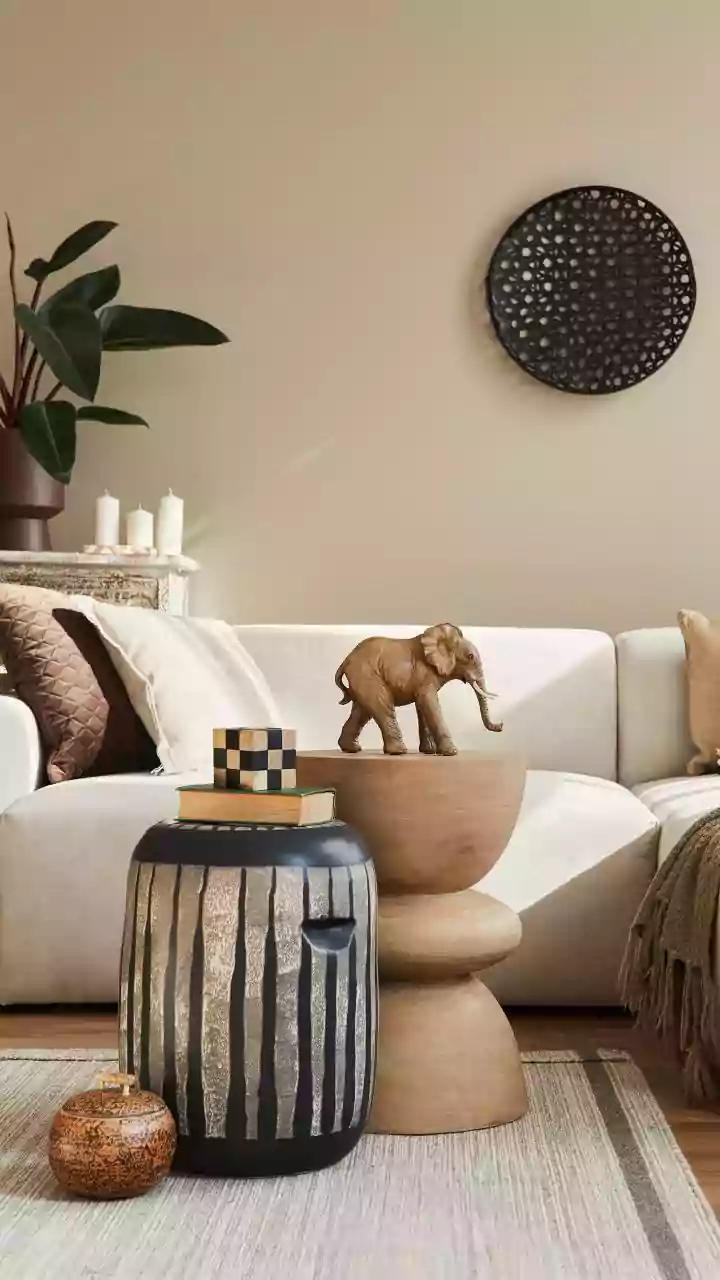
This practical turn is shaping a new aesthetic in Indian interiors. Comfort has become a paramount concern, with a preference for deeper sofas, supportive chairs, and softer, more tactile fabrics like velvet and textured upholstery. There is a clear move away from sharp, boxy furniture towards pieces with gentler curves and rounded edges, which make a room feel more relaxed and inviting. Natural materials are also gaining prominence. Solid woods like sheesham and teak, along with cane and rattan, are being chosen for their durability and warmth, reflecting a desire for authenticity and quality over synthetic, mass-produced looks. This shift also includes a growing interest in tech-integrated furniture, such as desks with adjustable heights or sofas with built-in charging ports, catering to a modern, connected lifestyle.