




Why Airflow Is Your Garden's Unseen Hero
Think of your garden as a living community. For it to thrive, every plant needs its own space to breathe. Good air circulation is essential because it helps manage the microclimate around your plants. When branches are overcrowded, moisture gets trapped
between the leaves, creating a humid, stagnant environment. This is a perfect breeding ground for fungal diseases like powdery and downy mildew, which are common issues in many parts of India, especially during and after the monsoon. Proper airflow helps leaves dry faster after rain or watering, significantly reducing the risk of these infections taking hold. It also helps strengthen stems and even aids in the pollination of certain plants. By ensuring air can move freely, you're building a more resilient and healthy ecosystem from the ground up.
The Prune-First, Plant-Later Rule
It can be tempting to fill a gap in your garden bed with a new purchase, but layering more plants into an already crowded space will only worsen airflow and light-penetration problems. This is why pruning should always come first. By strategically removing dead, diseased, or crossing branches, you immediately open up the plant's structure. This thinning process allows more sunlight and air to reach the inner and lower parts of existing plants, promoting healthier growth all around. Once you’ve established this healthy, well-ventilated foundation, you can see where the true gaps are and how much space you have. This approach prevents you from accidentally creating the very conditions that lead to weak, disease-prone plants.
Your Simple Guide to Pruning
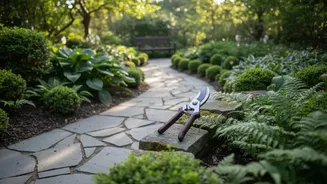
You don't need to be a professional to prune effectively. Start by identifying what needs to go. Look for branches that are dead, damaged, or clearly diseased. Next, target branches that are rubbing against each other or growing inward toward the center of the plant. These disrupt the natural shape and block airflow. Using clean, sharp tools like secateurs (for smaller stems) or loppers (for thicker branches) is crucial to avoid tearing the bark and introducing disease. When you make a cut, do so at a slight angle, just outside the 'branch collar'—the slightly swollen ring of tissue where the branch meets the main stem. This collar contains cells that will heal over the wound, protecting the plant from decay. Avoid leaving a long stub, but also don't cut flush against the trunk.
Timing Is Everything: When to Prune in India
The best time to prune depends on the plant and your local climate. A general rule is that major structural pruning is best done when the plant is dormant, typically in the winter (December to February) for many deciduous trees in India. Pruning during dormancy makes it easier to see the plant's structure and reduces stress and disease risk. However, a light maintenance prune during the post-monsoon period (October to November) is also highly beneficial. This allows you to remove any branches damaged by heavy rains and tidy up growth to prevent fungal issues before winter sets in. For flowering shrubs, it's often best to prune them right after they finish blooming to avoid cutting off next season's buds.
Now, Build Your Layers Wisely
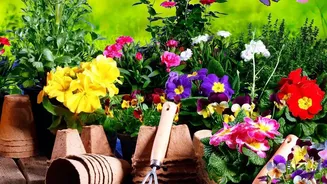
With your existing plants properly pruned and breathing easy, it's time to add new layers. Layering involves arranging plants by height to create depth and visual interest. The classic approach is to place the tallest plants (like tall shrubs or ornamental grasses) at the back of the bed, medium-sized plants (like perennials) in the middle, and the shortest ones (like groundcovers) at the front. The most important part of this step is to respect each new plant's mature size. Read the plant tag and provide adequate spacing. Don't crowd them together, or you will undo all your hard work of creating good airflow. A well-layered and properly spaced garden is not only beautiful but also healthier and easier to maintain.