




It’s Not Cold, It’s Evolved
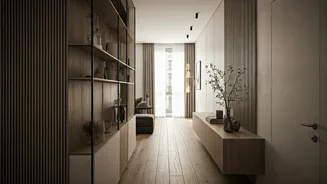
First, let’s get one thing straight: the minimalism of today isn’t the sterile, museum-like space you might be picturing. While the original movement was a stark reaction to consumerism, the version winning hearts now is warmer, more personal, and far
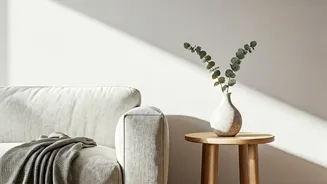
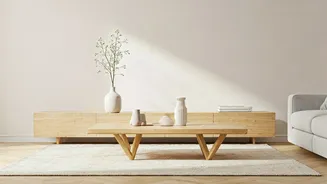
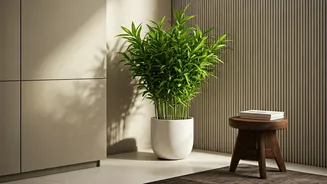
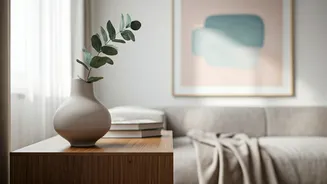
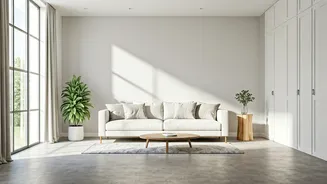
more livable. Designers and homeowners talk about “soft minimalism” or “warm minimalism,” a style that retains the core principle of uncluttered space but embraces texture, natural materials, and curated personal objects. Think of a room with clean lines, but with a richly textured wool rug, warm oak furniture, and a few cherished books on a floating shelf. The goal is no longer absence for its own sake, but rather the intentional presence of things that bring joy and function. This evolution has been critical to its longevity. It has made the aesthetic accessible and appealing not just to design purists, but to anyone seeking a serene and functional living environment. It’s minimalism with a soul.
A Sanctuary from a Hectic World
A huge part of minimalism’s enduring appeal is psychological. We live in an age of constant digital noise, endless notifications, and a 24/7 news cycle that demands our attention. Our brains are saturated. Against this backdrop, the home has become the last frontier of true sanctuary. A minimalist space offers a powerful antidote to this external chaos. Coming home to an environment free of clutter provides a tangible sense of relief. With fewer objects vying for our attention, our minds have a chance to rest and decompress. This isn’t just a feeling; it’s a functional benefit. A tidy, organized space has been linked to reduced levels of the stress hormone cortisol. In a world that feels increasingly out of control, curating a calm, orderly home is an act of taking back a small piece of personal peace and mental clarity.
The Smart Economics of “Less but Better”
Minimalism’s practicality extends directly to our wallets. While luxury minimalist homes get the spotlight, the underlying philosophy is profoundly democratic and economically savvy. At its heart, minimalism champions the idea of “less but better”—a direct counterpoint to the fast-fashion, disposable culture that encourages constant, low-quality consumption. In an era of economic uncertainty and rising costs, this approach is more appealing than ever. It encourages consumers to think deliberately about their purchases. Do I really need this? Will it last? Does it serve a purpose? This mindset shift leads to fewer, more considered purchases of higher-quality items. Over time, this not only saves money but also reduces the stress and maintenance that comes with owning too much stuff. It’s a quiet financial rebellion against the pressure to accumulate.
Aligning with a Conscious Mindset
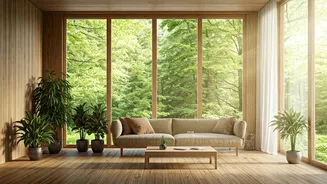
Finally, the staying power of minimalism is deeply connected to a growing collective consciousness around sustainability. As more Americans become aware of the environmental impact of overconsumption, the minimalist ethos offers a clear path toward a more responsible lifestyle. By choosing to own less, we inherently reduce our carbon footprint, create less waste, and put less strain on planetary resources. This isn't about performative austerity; it's about alignment. People want their personal choices to reflect their values. For many, a minimalist home is the physical manifestation of a commitment to conscious consumption. It’s a daily, visible reminder of a decision to live more lightly on the earth. This alignment between personal space and personal values is a powerful force, ensuring that minimalism remains not just a design choice, but a meaningful way of life.