





A Return to Roots
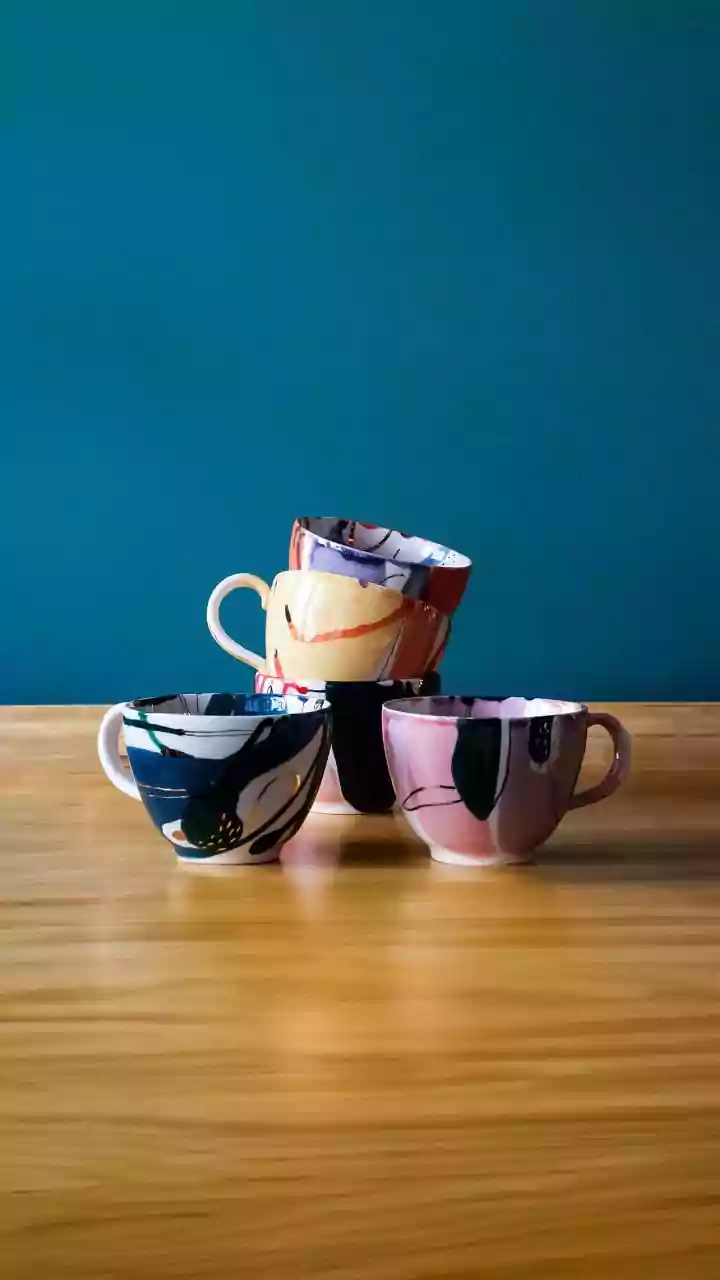
For a generation that grew up in a globalised world, there is a growing desire to connect with their cultural heritage. This is manifesting in their design choices, where mass-produced, generic items are being passed over for unique, handcrafted pieces.
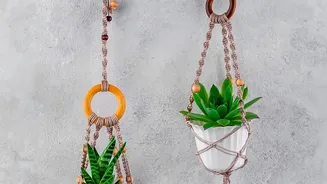
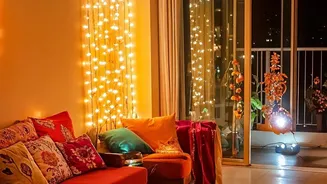
Instead of plastic photo frames and synthetic rugs, young people are opting for decor that feels personal and grounded. Think intricately carved wooden jharokhas framing a modern cityscape view, hand-painted consoles instead of glass coffee tables, and colourful folk art figurines adding character to a minimalist shelf. This isn't about creating a museum; it's about weaving personal and cultural narratives into their living spaces, making a house feel like a home.
Sustainability as a Statement
More than any generation before, Gen Z is acutely aware of its environmental impact. This consciousness is a driving force behind the shift away from plastic, a material often associated with pollution and a throwaway culture. Indian handicrafts, by contrast, are frequently made from natural, renewable, and biodegradable materials like terracotta, cane, jute, and reclaimed wood. Choosing a handwoven dhurrie over a polyester rug or a clay planter over a plastic pot is not just an aesthetic choice; it’s an ethical one. It’s a vote for a circular economy, supporting sustainable practices and reducing landfill waste. This generation seeks transparency and prefers to invest in items that are made to last, gaining character with age rather than ending up in the bin.
The Small Apartment Solution
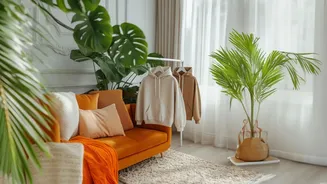
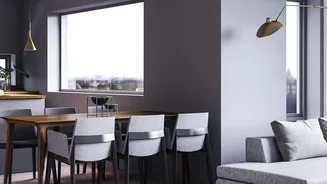
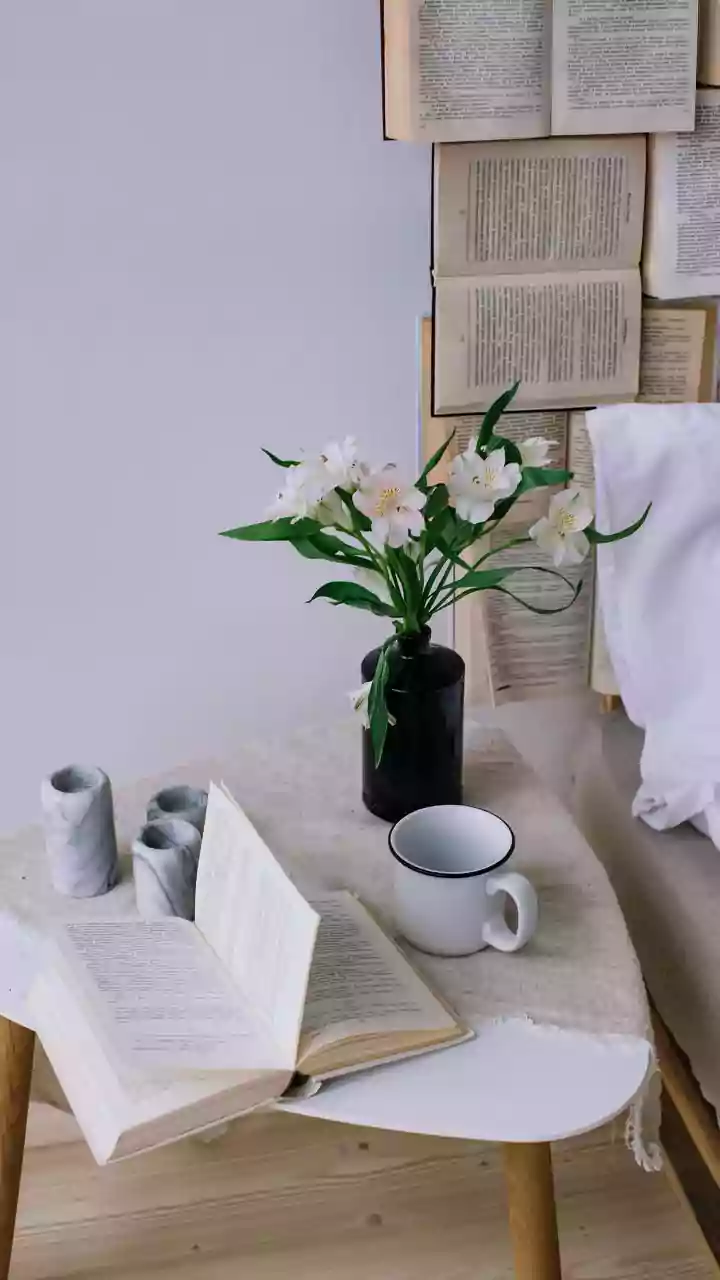
Living in compact urban apartments means every square foot matters. Traditional decor, once seen as bulky, is now being cleverly adapted for modern, smaller homes. The key is using handcrafted items as functional art. For instance, a beautifully crafted mirror with a traditional frame can create the illusion of depth in a small room. Floating shelves can display small, artisanal pieces without taking up floor space. Textile-based decor like block-printed cushion covers, Kantha throws, or a single, striking Madhubani painting on a wall add texture, colour, and personality without overwhelming the space. Artisans and modern brands are also creating multifunctional pieces, ensuring that even in a 700-square-foot flat, style and heritage have a place.
An Expression of Individuality
In an era of social media, where trends can lead to uniformity, handcrafted items offer a powerful way to express individuality. For Gen Z, luxury is less about a big brand logo and more about owning something unique with a story. They are drawn to the subtle imperfections of a handmade piece, which serve as a mark of authenticity—a sign that it was touched by human hands. Inquiries about the origin of a fabric or the artisan who made a particular piece are becoming common. This generation is not just buying a product; they are buying a story, a piece of a tradition, and an artifact that reflects their own identity. A home decorated with such items becomes a curated collection of personal values, not a catalogue showroom.