




A Landscape Shaped by Water and Grass
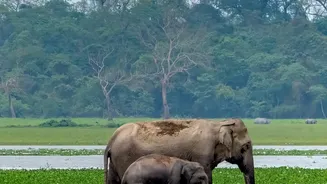
Kaziranga's magic lies in its unique landscape, a mosaic of habitats forged by the mighty Brahmaputra River. The park is a vast expanse of alluvial floodplains, characterised by towering elephant grass, sprawling wetlands known as 'beels', and pockets
of dense tropical forests. This combination of tall grasslands, which cover over half the park, and vital water bodies creates the perfect environment for a staggering array of wildlife. The annual monsoon floods, while challenging, are essential for rejuvenating the grasslands and replenishing the wetlands, ensuring the ecosystem remains fertile and vibrant. This dynamic environment is the foundation upon which the park's rich biodiversity, including its elephant and bird populations, is built.
In the Realm of the Asiatic Elephant
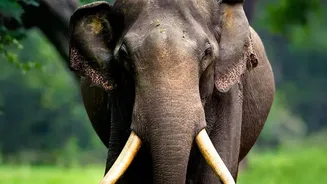
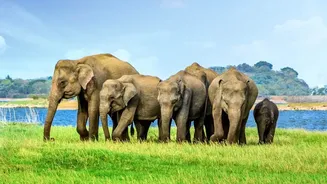
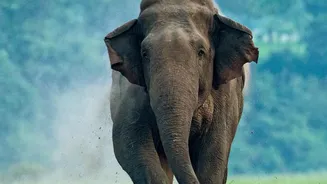
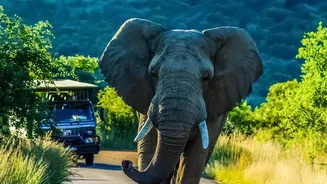
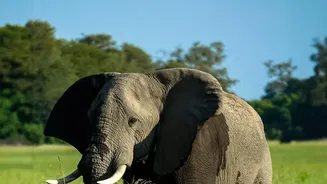
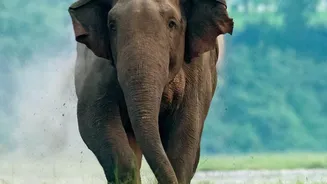
Kaziranga is a vital stronghold for the Asiatic elephant, hosting a significant breeding population. These gentle giants are most at home in the park's extensive grasslands and forests, where they find ample food and cover. The tall elephant grass, which can grow several metres high, provides them with both sustenance and shelter. While elephants can be seen across the park, the Western Zone (Bagori) and Central Zone (Kohora) are particularly well-known for frequent sightings. Here, large herds often gather in the open grasslands and near water bodies, especially during the cooler parts of the day. A jeep safari through these zones offers panoramic views, while an early morning elephant-back safari provides a higher vantage point to see over the tall grass, often resulting in closer and more intimate encounters with family herds.
A Paradise for Birdwatchers
Recognised as an Important Bird Area by BirdLife International, Kaziranga is a premier destination for avian enthusiasts. The park is home to over 450 species of birds, including resident and migratory populations. The diverse habitats cater to different bird guilds. The Eastern Range, or Agaratoli Zone, is widely considered the best for birding due to its extensive wetlands and proximity to the Brahmaputra. This area becomes a hotspot for migratory waterfowl like the Bar-headed Goose during the winter months. You can spot pelicans, storks, and various eagles. The park's forests and grasslands are home to species like the Great Hornbill and the endangered Bengal Florican. For serious birders, a boat safari in the Agaratoli range or a visit to the hilly Burapahar zone can yield sightings of rare forest birds.
Choosing Your Safari Adventure
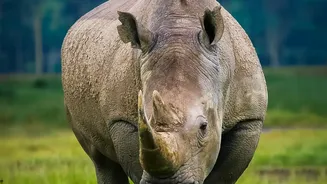
Kaziranga offers two primary safari experiences: the Jeep Safari and the Elephant Safari, each providing a different perspective of the park's habitats. Jeep safaris are available in all four tourism zones (Central, Western, Eastern, and Burapahar) and allow you to cover more ground, exploring the diverse landscapes from open grasslands to dense forests. They are ideal for photography and getting a broad overview of the park. Elephant safaris, on the other hand, are only conducted in the early mornings in the Central (Kohora) and Western (Bagori) zones. This slow-paced journey allows you to move quietly through the tall grass, offering a unique and often closer view of wildlife, especially rhinos and grazing deer, without the sound of an engine. For a comprehensive experience, many visitors opt to do both.
Planning Your Visit: Best Times and Tips
The best time to visit Kaziranga for both elephant and bird sightings is from November to April, when the park is open and the weather is pleasant. The park remains closed from May to October due to the monsoon floods. For birdwatching specifically, the period from December to February is peak season, as this is when a large number of migratory birds arrive from Central Asia and beyond. For general wildlife viewing, the later months of March and April can be excellent, as the grass has either been cut or burned in controlled measures, and animals tend to congregate more around the shrinking water bodies. To make the most of your safari, always book in advance, especially during peak season. Hiring a knowledgeable local guide can dramatically enhance your experience, as they can spot animals and birds you might otherwise miss.