






A Sweet Spectacle in the Capital
This past weekend, Delhi's Major Dhyan Chand National Stadium transformed into a vibrant hub of culture and commerce for the Tripura Global Pineapple Festival. Held from June 27 to 29, the three-day event was timed perfectly to coincide with International
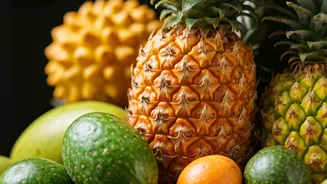
Pineapple Day. Organized by the Tripura government, the festival aimed to bring the state's most famous agricultural product directly to a national audience, creating a space where policymakers, farmers, exporters, and the public could connect over the celebrated fruit. Visitors were greeted by the sight of 25 stalls filled not just with fresh pineapples, but also with handicrafts, textiles, and other emblems of Tripura's rich heritage, offering a comprehensive cultural experience.
What Makes the 'Queen' So Special?
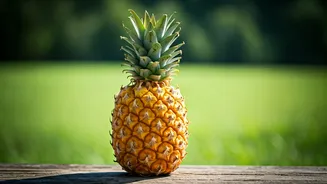
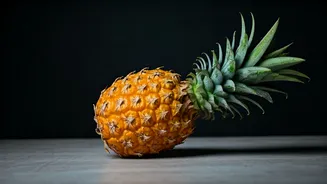
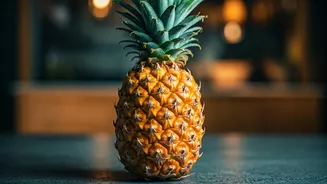
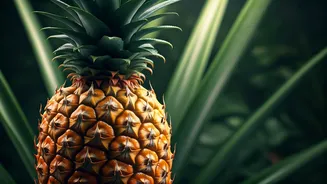
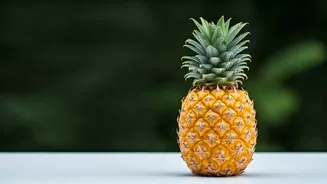
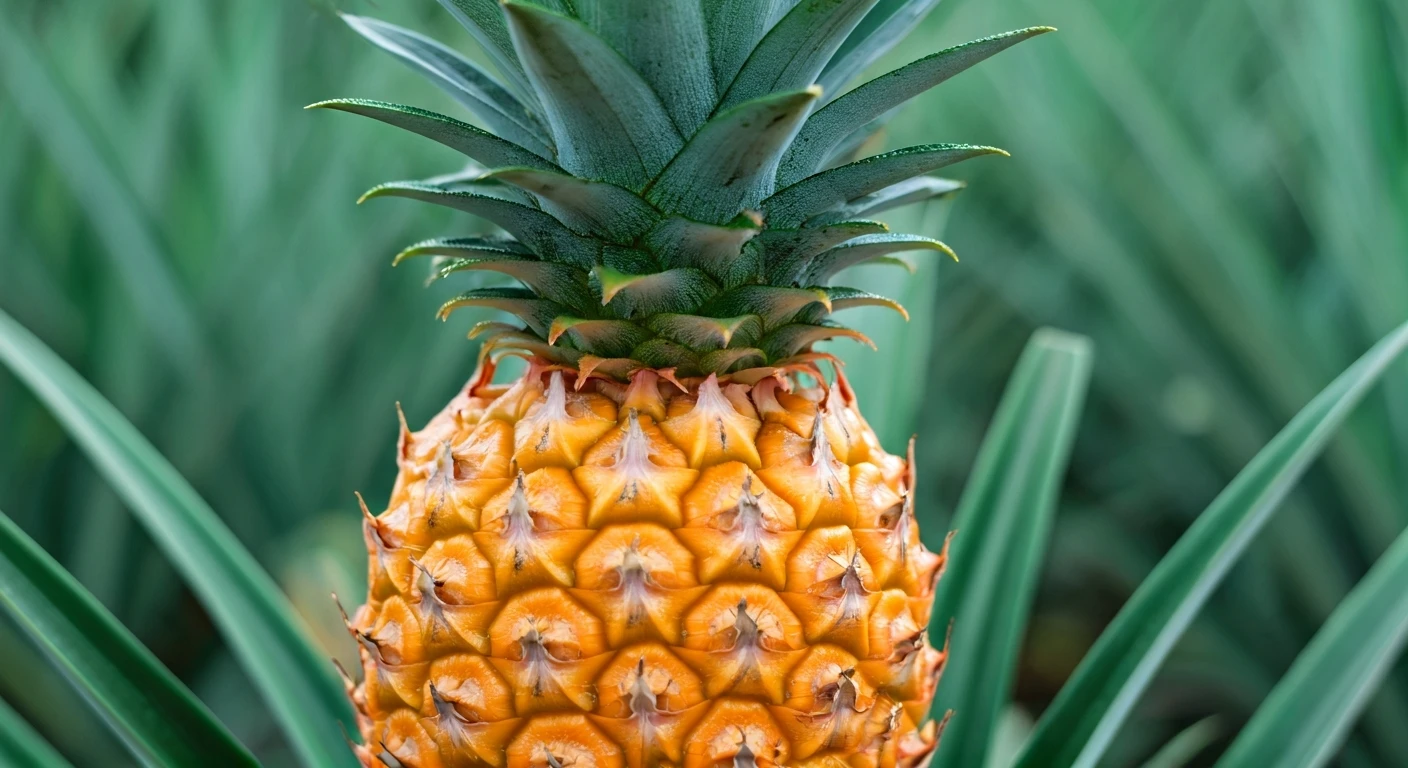
The star of the show is the Queen Pineapple, a variety so special it was declared Tripura's state fruit in 2018 and awarded a Geographical Indication (GI) tag in 2015. Unlike larger, more common varieties, the Queen is prized for its exceptional sweetness, golden-yellow hue, and distinct, powerful aroma. Its flesh has very low fibre, giving it a uniquely smooth texture. Cultivated primarily by tribal communities in the hilly terrain of Tripura, these pineapples benefit from the region's ample rainfall and a tradition of using minimal to no chemical fertilizers, resulting in a product that is largely organic. This unique combination of factors gives the Queen pineapple a taste that has captivated markets both in India and abroad.
From Farm to the Nation's Heart
Bringing this perishable delicacy from Tripura’s farms to Delhi is a massive undertaking, but it's central to the state's ambitious plans. The festival is a key part of 'Mission Queen Pineapple,' a ₹236-crore initiative supported by the central government. The mission's goal is to build a robust farm-to-market value chain, aiming to increase the fruit's economic value from ₹35 crore to ₹200 crore by 2028. This involves creating a modern infrastructure network, including collection centres, cold storage, and refrigerated transport, to reduce post-harvest losses and ensure the fruit reaches consumers in perfect condition. The effort has already seen success, with Tripura's pineapples reaching markets in Europe and the Middle East in recent years.
More Than Just a Fruit
The festival and the broader mission represent a significant economic boost for Tripura's farmers, a majority of whom belong to tribal communities. By creating direct market links and promoting the pineapple as a premium brand, the state government aims to ensure better prices for growers and reduce their dependence on middlemen. The vision extends beyond the fresh fruit itself. The initiative also promotes value-added products like juices, jams, and even eco-friendly fibre made from pineapple leaves, which is gaining traction in sustainable fashion. Furthermore, the state is investing in plants to extract bromelain, an enzyme with applications in the pharmaceutical industry, creating a zero-waste ecosystem around the fruit.