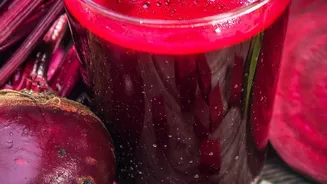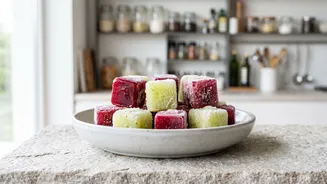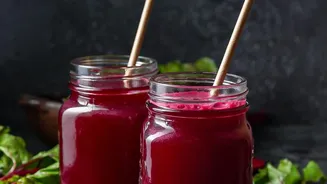



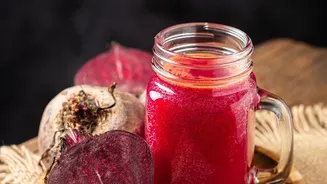

Amla and beetroot cubes are a fantastic wellness hack, packing a punch of nutrients. But if you're not storing them correctly, you might be losing the very benefits you're seeking. Proper freezer storage is key to preserving their potency.
The Power of Amla and Beetroot
Before diving
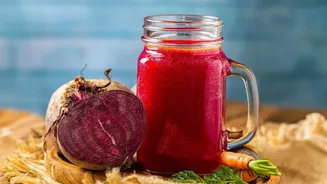
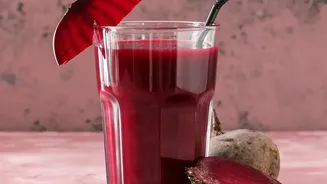
into storage, it's worth remembering why these vibrant cubes are so popular. Amla, or Indian gooseberry, is one of the richest natural sources of Vitamin C, a powerful antioxidant that boosts immunity and promotes skin health. Beetroot is packed with essential nutrients like folate, potassium, and iron. It's also rich in nitrates and antioxidants like betalains, which support heart health, liver detoxification, and can improve stamina. By combining them, you create a potent blend that supports everything from blood purification to digestion. Making a large batch and freezing it in cubes is a convenient way to ensure you have a daily dose of wellness ready to go.
The Freezer’s Hidden Dangers: Spoilage and Nutrient Loss
The freezer is a great preservation tool, but it’s not a magic box where time stands still. Two main enemies lurk within: freezer burn and oxidation. Freezer burn occurs when moisture escapes from the food and turns into ice crystals on the surface. This is caused by exposure to the dry, cold air of the freezer and results in a dehydrated, leathery product with a compromised taste and texture. While often safe to consume, the quality is significantly diminished. Oxidation, on the other hand, is a chemical process that degrades nutrients, especially sensitive ones like Vitamin C. Every time your cubes are exposed to air, this process accelerates. Improper storage means you could be thawing cubes that have lost a significant portion of their antioxidant power.
Your Step-by-Step Guide to Perfect Freezing
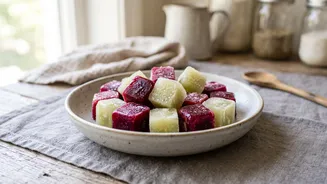
To protect your cubes from these issues, follow a simple but crucial process. First, after preparing your amla and beetroot puree, allow it to cool completely before freezing. Pouring hot liquid into the freezer can raise the ambient temperature, causing other foods to partially thaw and refreeze. Spoon the cooled puree into ice cube trays—silicone trays work well for easy removal. Freeze them until they are completely solid. This is the most critical step: once the cubes are frozen solid, you must transfer them to a proper long-term storage container. Ice cube trays are not airtight and will not protect against freezer burn or oxidation over time.
Choosing the Right Airtight Container
The goal is to minimise air exposure as much as possible. High-quality freezer bags are an excellent option. Place the frozen cubes in the bag, press out as much air as possible before sealing, and store it flat. For even better protection, you can use a straw to suck out the remaining air before sealing the last corner. Alternatively, vacuum sealers offer the best protection by creating a completely air-tight environment. Airtight freezer-safe containers, whether glass or plastic, are also effective. Pack the cubes in tightly to reduce empty air space. Regardless of your choice, always label the bag or container with the contents and the date of freezing.
How to Spot Cubes That Have Gone Bad
Properly stored, your cubes should maintain good quality for about three months. After that, while they may still be safe, the nutritional value and flavour will decline. There are a few tell-tale signs that your cubes are past their prime. A significant change in colour—your vibrant purple-red cubes appearing dull, faded, or almost milky—is a key indicator. A heavy coating of large ice crystals signifies freezer burn. Finally, trust your nose. When you thaw a cube, if it has a strange, 'off', or stale smell, it’s best to discard it. Any slimy or unusual texture after thawing is also a red flag that the cube should not be consumed.