





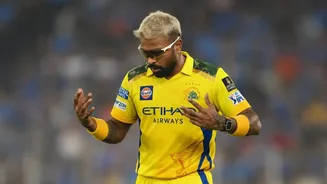

The Architect of a Dynasty
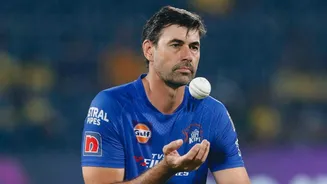
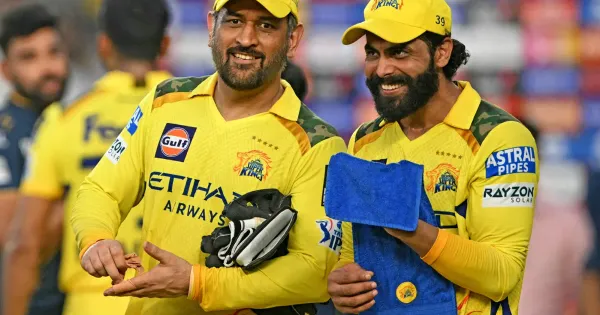
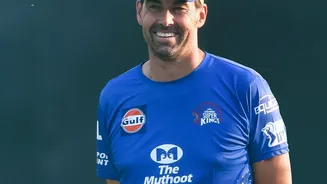
For nearly two decades, Stephen Fleming was the quiet force behind the Chennai Super Kings (CSK) dynasty in the Indian Premier League. His partnership with captain MS Dhoni became the stuff of legend, a perfect blend of tactical nous and unflappable calm.
Under his guidance, CSK reached 10 finals and won five IPL titles, a testament to a coaching philosophy built on stability, clarity, and exceptional man-management. Fleming created a culture where players, senior and junior alike, thrived. He backed his players, kept a level head under extreme pressure, and consistently out-thought opponents. It is this reputation as a master strategist and culture-builder that has put him at the top of the England and Wales Cricket Board's (ECB) list to succeed Brendon McCullum.
The Case For Fleming
The arguments for appointing Fleming are compelling. England's Test side is in a slump, having lost eight of their last 13 matches and coming off a humbling 4-1 Ashes defeat over the winter. The 'Bazball' era, after a thrilling start, has unravelled, leading to McCullum stepping down from the Test role. Fleming represents the antithesis of that high-octane, sometimes reckless, approach. His calmness could be the perfect antidote. Proponents believe his key strengths—tactical acumen and man-management—are exactly what the team needs. He excels at creating a low-pressure environment where players can perform, a skill honed in the IPL cauldron. Furthermore, he has a long-standing relationship with McCullum, who remains the white-ball coach, which the ECB hopes will ensure a smooth working partnership. His experience as a 111-Test veteran for New Zealand also can't be discounted.
The Red-Ball Question Mark
However, the giant question mark hanging over Fleming's candidacy is his lack of recent red-ball coaching experience. While he was a formidable Test player, his entire top-level coaching career has been forged in the fire of T20 cricket. The demands of the five-day game are vastly different. Test coaching requires a focus on long-term strategy, building innings, wearing down opponents, and fostering immense mental resilience. It's about nurturing the subtle arts of defence and patience, skills that can be secondary in the crash-and-bash world of T20. Critics worry that a coach steeped in the 20-over format may not possess the specific technical and strategic mindset needed to rebuild a struggling Test side. The transition is not always seamless, and great players don't automatically become great coaches, especially across different formats.
A Different Kind of Challenge
Franchise coaching is not the same as international coaching. At CSK, Fleming had a consistent core of players, including the iconic MS Dhoni, year after year. He could build a culture over a long period with a relatively stable squad. The England job is a different beast entirely. It involves managing a wider pool of players from the county system, dealing with intense and often critical media scrutiny, and handling the weight of national expectation. While Fleming played county cricket and captained Nottinghamshire, his deep understanding is of a system from two decades ago. Appointing another foreign coach without intimate knowledge of the current English domestic structure is a gamble, following a path trodden by both successful (Andy Flower) and, more recently, less successful predecessors.