





A Celebration Killer in Plain Sight
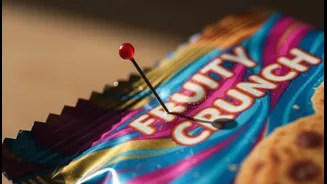
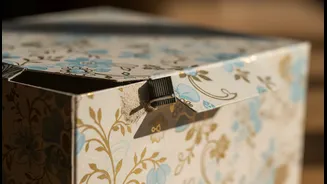
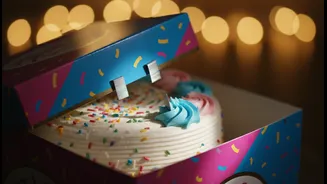
For years, it has been a common practice for bakeries and sweet shops across India to use metal staple pins to fasten cardboard cake and mithai boxes. It’s a quick, cheap, and seemingly effective way to ensure the box stays closed during transport. However,
this convenience comes at a significant cost to consumer safety. In June 2026, the Food Safety and Standards Authority of India (FSSAI) issued a stern directive ordering all food businesses to immediately stop this practice. The reason is simple and alarming: these small metal staples can easily dislodge and fall into the food. The FSSAI noted that it acted after receiving several reports of metallic pins being found embedded in cakes and other food items. What seems like a harmless fastener can quickly become a dangerous foreign object, turning a happy occasion into a medical emergency.
The Real Dangers of a Tiny Staple
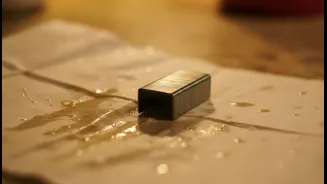
The risks associated with ingesting a metal pin are severe. According to medical experts and the FSSAI's own advisory, swallowing a staple can cause a range of injuries. These include cuts to the mouth, throat, and food pipe, which can lead to pain and require emergency intervention. It also presents a significant choking hazard, especially for young children who are most at risk. In a worst-case scenario, a pin could become lodged in the windpipe, obstructing breathing and creating a life-threatening situation. Beyond the immediate physical danger, there is also the risk of contamination. Staples can carry rust or germs, which can introduce infection if ingested. One doctor noted that a wound from a rusty pin could even lead to a tetanus infection. Given these serious health consequences, the FSSAI's ban aims to eliminate what it calls a preventable physical hazard from the food supply chain.
Why the Ban Was Necessary
The use of staples has been widespread not just for sealing boxes, but also within the products themselves. The FSSAI advisory pointed out that metallic wires and pins are sometimes used as decorative elements or even for structural support inside elaborate cakes. This practice makes it even more likely for a foreign object to be missed and consumed. The ban covers all food business operators, from local bakeries and sweet shops to restaurants and takeaway services. The directive is clear: no metallic pins, wires, or similar materials should be used for sealing, fastening, or packaging any food item. Businesses that fail to comply face penal action under the Food Safety and Standards Act, 2006. This move reinforces a simple but crucial principle: packaging should protect food, not introduce new dangers.
Safer Alternatives for Everyone
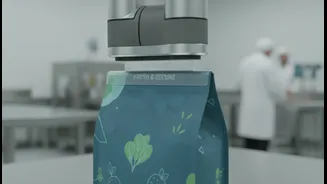
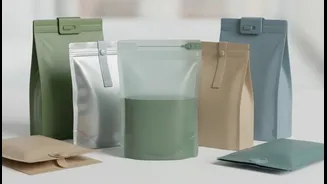
The good news is that there are plenty of safe and effective alternatives to metal staples. The FSSAI encourages businesses to adopt modern packaging solutions that ensure safety without compromising convenience. These include food-grade adhesive tapes, heat sealing, and tamper-evident seals which also provide an extra layer of security for consumers. Many bakeries are also transitioning to glue-free locking cartons or self-locking box designs that are specifically engineered to stay shut without any external fasteners. These alternatives not only eliminate the physical hazard posed by staples but also align with broader trends toward more sustainable and thoughtfully designed food packaging. As a consumer, you can encourage this shift by supporting businesses that prioritize your safety.
How to Protect Yourself and Your Family
While the FSSAI's directive places the responsibility on businesses, consumers can also take simple steps to stay safe. Before you leave a bakery or sweet shop, take a moment to inspect the packaging. If you see staples, ask the vendor if they have an alternative, staple-free box. When you get home, open the box carefully and immediately check for any stray pins, especially around the corners and flaps where they are most likely to be. Remove any staples you find and dispose of them safely before serving the food. Always be extra vigilant when serving cake or sweets to children. By being mindful and proactive, you can ensure that your special treats are remembered for their taste, not for a trip to the emergency room.