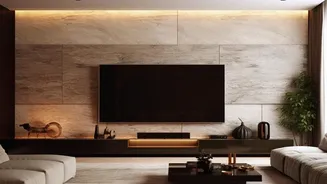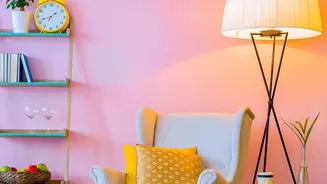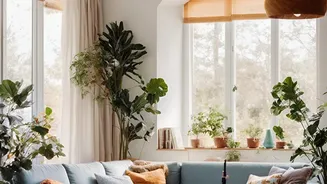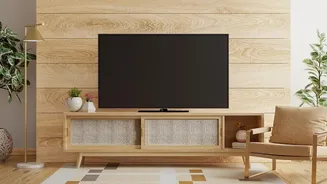

The End of the ‘Guest-Only’ Room
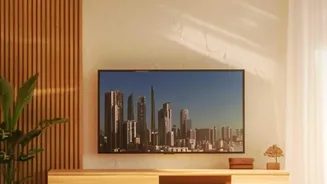
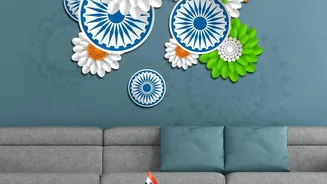
For generations, the Indian drawing room often served as a showcase. It was a formal space, furnished with imposing sofas and ornate tables, meant to impress visitors rather than embrace family. This room was the home’s public face, while daily life happened
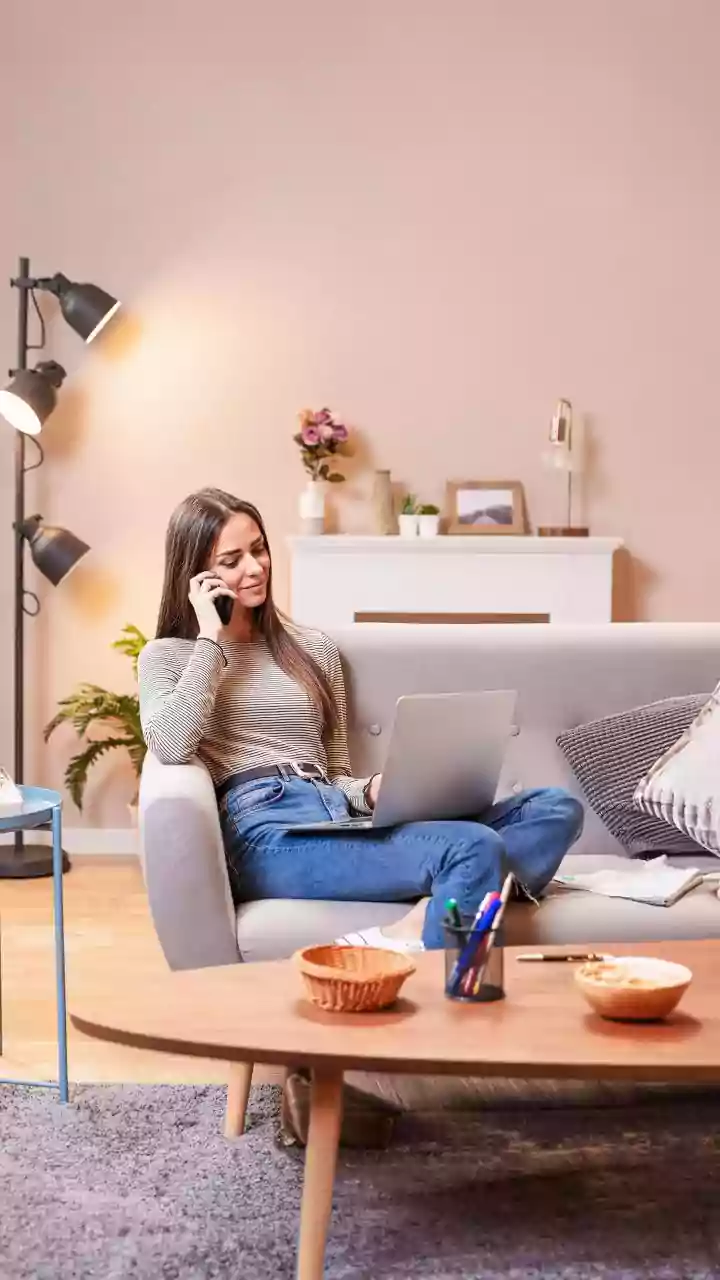
elsewhere. That concept is rapidly being replaced by a desire for authenticity and comfort. Today, homeowners are rejecting the idea of a room that's too precious to use. The living room is no longer a static museum piece but the dynamic heart of the home, where families work, relax, entertain, and connect. This cultural shift, accelerated by more time spent at home post-pandemic, demands furniture that can keep up.
Functionality is the New Form
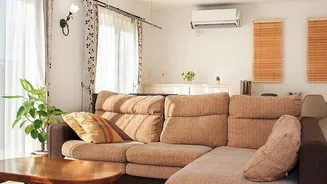
With shrinking apartment sizes in urban India, every square foot must justify its existence. This has propelled a major trend towards multifunctional and modular furniture that offers flexibility. Think of coffee tables with lift-tops that transform into workstations, ottomans with hidden storage, and sectional sofas that can be reconfigured for a movie night or a family gathering. The focus is on smart design that solves real-life problems. A piece of furniture is no longer judged on its looks alone but on its ability to adapt, store, and serve multiple purposes, making compact homes feel more spacious and organised.
The Anatomy of a Lived-In Space
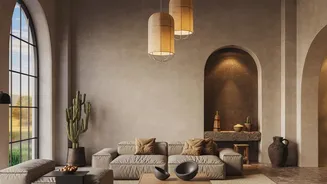
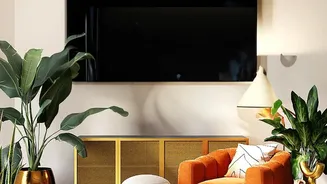
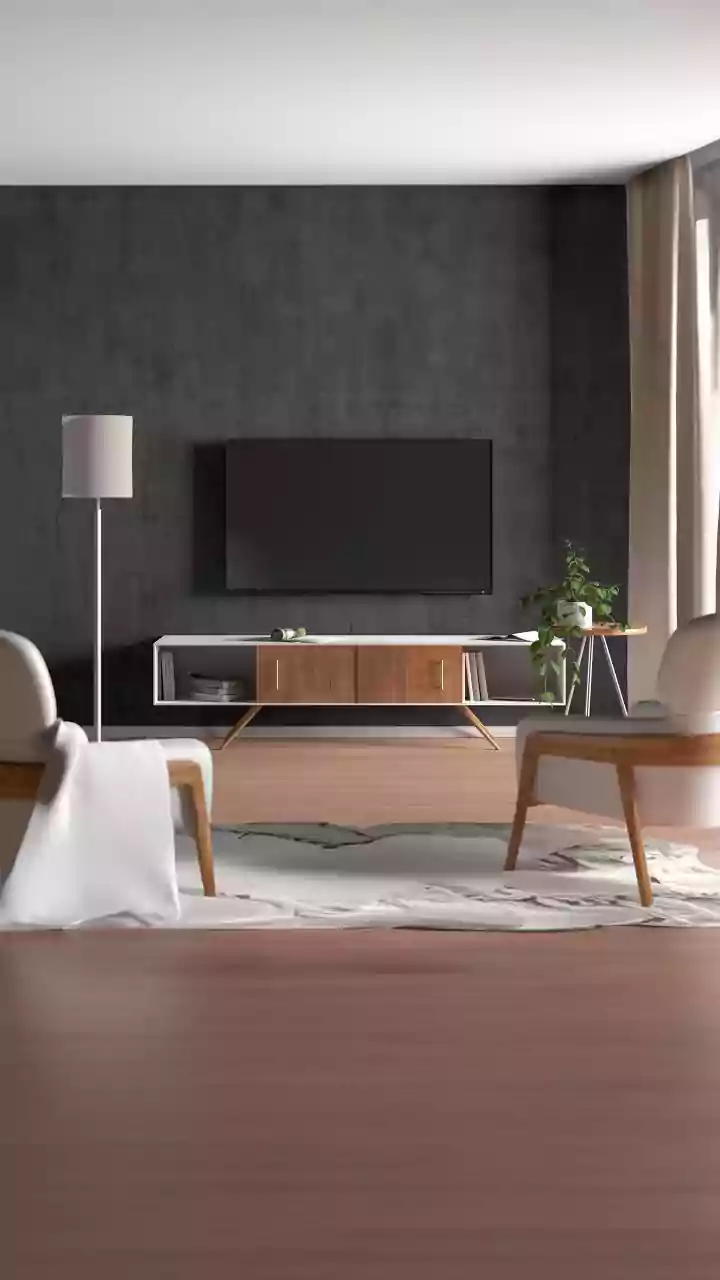
So, what does this new 'lived-in' living room look like? Comfort is king. Sofas are deeper, with plush, durable upholstery in fabrics like velvet, boucle, or soft linen blends. Sharp, boxy silhouettes are giving way to softer, curved designs that feel more inviting and relaxed. Natural materials are central to this aesthetic, bringing warmth and character. Solid woods like teak and sheesham, often with a natural grain or matte finish, are paired with accents of cane, rattan, and metal. The colour palette has also shifted from stark whites to warm, earthy neutrals like terracotta, sage green, and sandy beiges, creating a soothing and grounded atmosphere.
A Reflection of Modern Aspirations
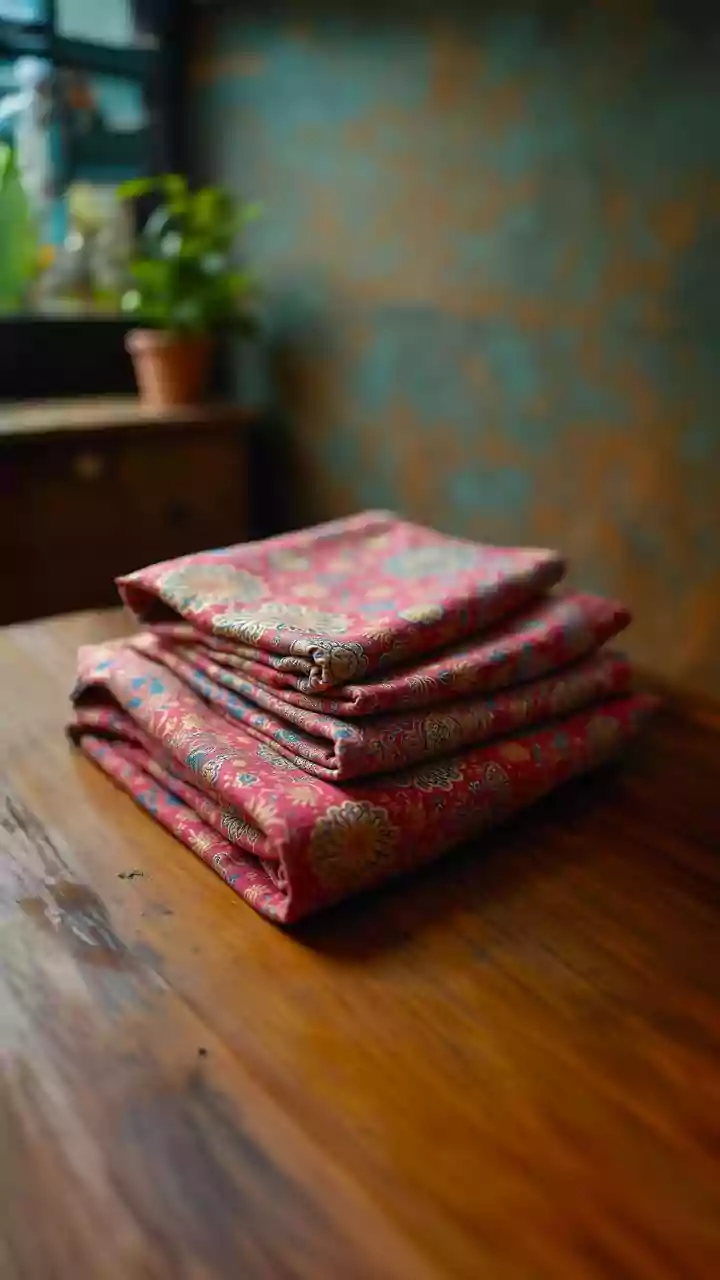
This evolution in furniture is more than just a design trend; it's a reflection of changing values in modern India. There is a growing appreciation for craftsmanship, sustainability, and pieces that tell a story. Homeowners are increasingly choosing eco-friendly materials and supporting local artisans over mass-produced items. The move towards minimalist, yet warm, interiors signals a desire for a life that is less cluttered and more intentional. A home is now seen as a personal sanctuary, a space for self-expression and well-being, rather than a stage for social performance. The furniture, therefore, is chosen not for the guests who might visit, but for the family that lives there every day.