







The Traditional Wisdom: Reducing 'Heat'
For generations, our elders have advised soaking mangoes before eating. The reason stems from Ayurvedic beliefs about the fruit's 'heaty' nature. Mangoes are thought to have a thermogenic effect, increasing body heat. This is anecdotally linked to skin
issues like acne or digestive discomfort for some, especially when consumed in large quantities. Soaking the fruit in water for a few hours, often with a pinch of salt, is believed to reduce this property. The process is thought to help the fruit leach out excess compounds, making it gentler on the system. While the science for 'body heat' is debated, this practice remains a cornerstone of enjoying mangoes responsibly.
The Science: Neutralising Phytic Acid
Beyond tradition, there's a scientific reason: phytic acid. Like many plant-based foods, mangoes contain this natural substance, often called an "anti-nutrient." It doesn't mean it's toxic, but it can interfere with your body's ability to absorb minerals like iron, zinc, and calcium. Phytic acid can bind to these minerals in your digestive tract, preventing them from being properly absorbed. For those on plant-based diets or with mineral deficiencies, this is a concern. Soaking mangoes helps activate phytase, an enzyme in the fruit that breaks down phytic acid, making the valuable minerals more available to your body.
How Saltwater Enhances the Process
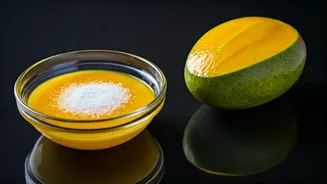
Adding salt to the water enhances the process through osmosis. The salt solution helps draw out phytic acid and other compounds from the mango's skin more efficiently. This includes the milky, bitter sap (latex) from the stem, which can irritate the mouth and lips for sensitive people. The saltwater solution effectively 'pulls' these undesirable elements out, resulting in a cleaner, sweeter taste. It’s a simple chemistry trick that improves both nutrition and the overall eating experience.
A Simple Wash for Purity
In today's world, the most practical benefit of soaking is cleanliness. Mangoes travel far from the farm, accumulating dirt and potential pesticides on their skin. A quick rinse isn't always enough. Submerging them in a saltwater bath for 30 minutes ensures a more thorough cleaning. The salt acts as a mild, natural disinfectant, helping dislodge and remove surface contaminants. This is crucial since we handle the peel extensively while cutting the fruit, which can transfer these to the flesh.
The Perfect Soak: How To Do It Right
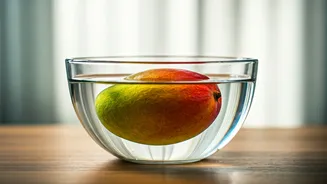
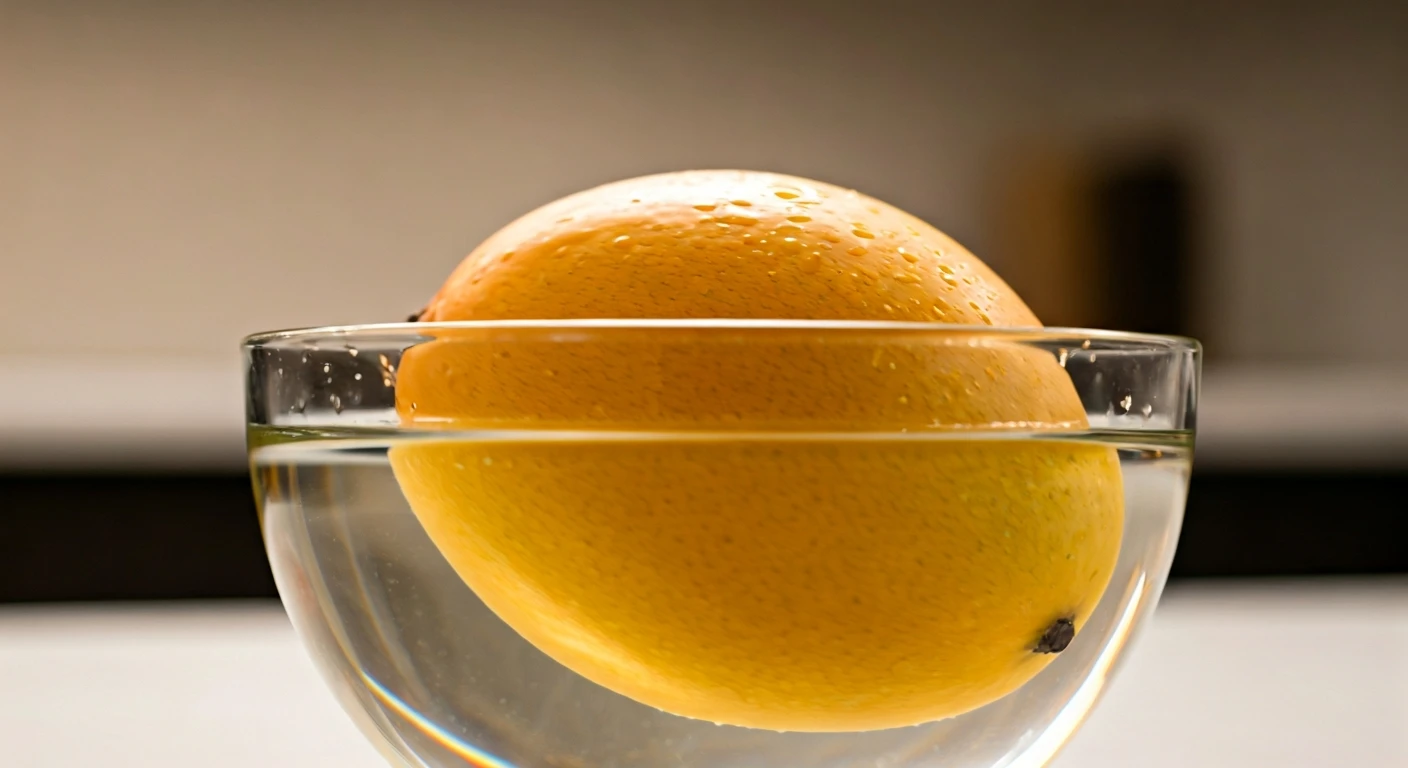
The method is simple. Place mangoes in a bowl and submerge them in room-temperature water. Add about half a teaspoon of salt and stir. Let them soak for at least 30 minutes, but for best results, aim for one to two hours. You don't need to soak them for longer. Once done, give them a final rinse under fresh water, pat them dry, and they're ready to be chilled and enjoyed. This small step requires minimal effort but can make a big difference.