








The Era of the Spreadsheet Diet
Not long ago, a common sight in gyms and on social media was the diligent tracking of macronutrients, or ‘macros’. The philosophy, often called ‘If It Fits Your Macros’ (IIFYM), promised that as long as you hit your daily targets for protein, carbohydrates,
and fats, you could achieve your fitness goals, be it muscle gain or fat loss. It offered a sense of scientific control in the often-confusing world of nutrition. Apps, food scales, and meal prep boxes became essential tools for a generation seeking tangible results. This numbers-driven approach gave people a clear framework and a sense of empowerment. It turned eating into a calculable equation, which was a welcome change from vague advice like ‘eat healthy’.
When Numbers Become Numbing
However, for many, the very precision that made macro counting appealing became its biggest drawback. The constant weighing, logging, and calculating could lead to mental fatigue and anxiety. Social dinners became a source of stress, and the joy of eating was often replaced by the pressure of hitting numerical targets. Critics argue that this intense focus can foster an unhealthy relationship with food, sometimes bordering on disordered eating patterns like orthorexia, an obsession with ‘correct’ eating. Furthermore, a myopic focus on macros can sometimes ignore food quality. A processed protein bar and a bowl of dal and rice might have similar macro profiles, but their impact on your overall health, energy, and well-being is vastly different.
Enter the Gut: The Body’s 'Second Brain'
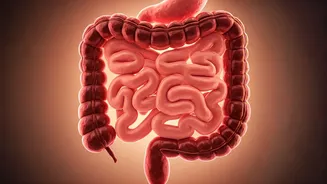
This is where the new conversation begins. The focus is shifting from external calculations to internal biology—specifically, the gut microbiome. Your gut is home to trillions of microorganisms, including bacteria, fungi, and viruses, that collectively form a complex ecosystem. This isn't just about digestion; this 'second brain' plays a crucial role in almost every aspect of your health. Gut health refers to the balance and diversity of these microorganisms. When this ecosystem is thriving, so are you. When it's out of balance (a state called dysbiosis), it can contribute to a host of issues, from bloating and indigestion to more serious chronic conditions.
More Than Just Digestion
The benefits of a healthy gut extend far beyond a comfortable stomach. A robust microbiome is intrinsically linked to a stronger immune system, as a significant portion of your immune cells reside in the gut. It influences your mental health through the 'gut-brain axis', a communication network that links your digestive system with your brain. This explains why an imbalanced gut can contribute to mood swings, anxiety, and brain fog. It also plays a key role in regulating inflammation, managing weight, and even improving skin health. The growing awareness of these connections is driving the shift: why just count macros for muscle when you can cultivate a healthy gut for total-body wellness?
A Return to Traditional Wisdom
Interestingly, this ‘new’ trend is deeply rooted in traditional Indian food culture. The principles of promoting gut health are inherent in many of our dietary staples. A simple meal of dal, rice, and sabzi is packed with fibre, which feeds good gut bacteria. The ubiquitous use of spices like turmeric, ginger, and cumin has anti-inflammatory and digestive benefits. And the culture of eating fermented foods like dahi (yoghurt), idli, dosa, and homemade pickles (achaar) directly introduces beneficial probiotics into the system. In many ways, the focus on gut health is not a rejection of our past, but a modern, scientific validation of the food wisdom our grandparents practiced intuitively.
Building a Gut-Friendly Plate
So, how does one eat for gut health without falling into another restrictive trap? The approach is refreshingly simple and flexible. It’s less about what to eliminate and more about what to include. The key is diversity. Aim to eat a wide variety of plant-based foods—fruits, vegetables, legumes, and whole grains—to provide different types of fibre for your gut microbes. Regularly incorporate probiotic-rich fermented foods. Prioritise whole, unprocessed foods over packaged goods laden with sugar, artificial sweeteners, and preservatives that can disrupt the gut microbiome. Most importantly, it encourages intuitive eating: listening to your body’s signals of hunger, fullness, and discomfort, and adjusting your diet accordingly.