



A World Built on Coral
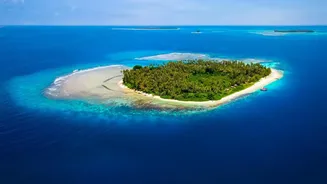
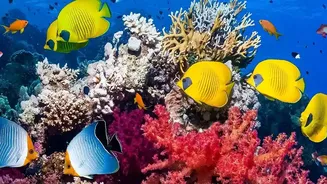
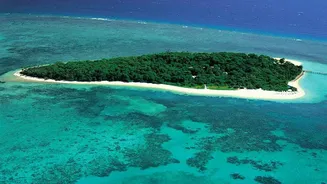
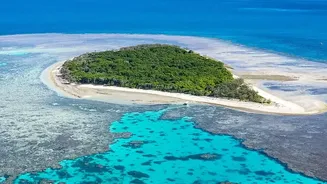
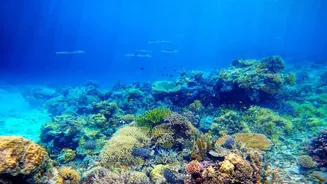
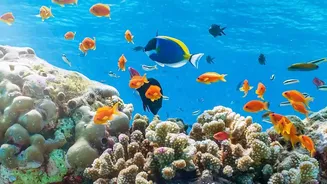
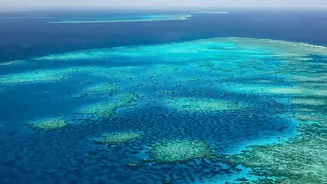
The Lakshadweep archipelago is unique in India, comprising 36 islands built on atolls that have developed over millennia. These islands and their lagoons are protected from the open ocean by extensive coral reef systems. These reefs are not just beautiful;
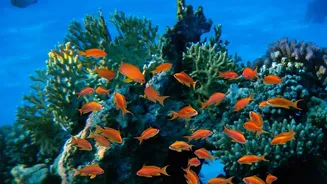
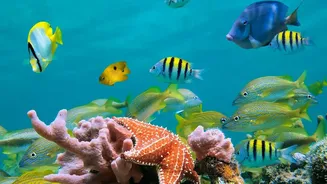
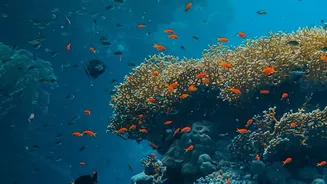
they are living, breathing ecosystems that shelter countless marine species, support local fisheries, and act as natural barriers against wave erosion. However, corals are extremely fragile. A single collision or scrape can break structures that took decades or even centuries to grow, leaving the reef vulnerable to disease and collapse. Protecting these reefs is not just an environmental goal; it's essential for the very existence of the islands and the livelihoods of their inhabitants.
The Hidden Destruction from Above
For boaters, anchoring is a routine procedure. But in a coral ecosystem, it is a destructive force. When a heavy metal anchor is dropped, it can land directly on living coral, crushing it instantly. Worse still is the damage caused by the anchor chain, or rode. As the boat shifts with wind and currents, the chain drags across the seafloor in a wide arc, scything through everything in its path. This action pulverizes coral colonies, stirs up sediment that smothers surrounding polyps, and leaves long, barren scars on the reef bed. The damage is often out of sight and out of mind for a visiting tourist, but its cumulative effect can rapidly degrade a vibrant reef into a rubble field.
A Strategy of Strict Control
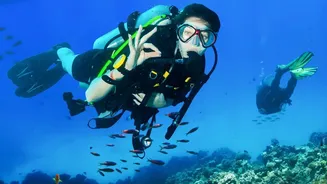
Lakshadweep’s primary defence against such damage is a policy of strictly controlled tourism. Unlike many destinations, visiting the islands requires a special entry permit, issued only after an application process that often requires a local sponsor, such as an authorized tour operator. This system inherently limits the number of visitors, preventing the kind of mass tourism that could overwhelm the fragile ecosystem. Regulations are woven into the very fabric of a visit; tourists are educated on rules such as not touching or collecting coral, which is a punishable offense. This overarching framework, managed under the Integrated Island Management Plan (IIMP), ensures that development and tourism do not come at the cost of ecological health.
The Simple Genius of Mooring Buoys
The most direct solution to anchor damage is to eliminate the need for anchoring altogether. This is achieved through the use of mooring buoys. A mooring buoy is a floating ball permanently attached to a heavy block or screw set securely on the seafloor, often in a sandy patch away from delicate corals. Instead of dropping their own anchor, boats simply tie up to these buoys. This provides a secure point for the vessel without any part of the anchoring system touching the reef. By strategically placing these moorings at popular dive and snorkel sites, authorities guide boat traffic and completely prevent anchor-related damage in the most sensitive and frequented areas. It's a simple, effective intervention that allows for marine recreation while safeguarding the underlying ecosystem.
Holistic Protection and Enforcement
Preventing anchor damage is part of a wider, integrated approach to conservation. The Coastal Regulation Zone (CRZ) Notification and Island Protection Zone (IPZ) rules provide a legal backbone, prohibiting activities like underwater blasting and the use of corals for construction. The National Green Tribunal actively monitors tourism projects to ensure they comply with strict environmental safeguards and respect the islands' carrying capacity. Furthermore, there is a ban on single-use plastics to reduce marine pollution, and guidelines for activities like scuba diving and snorkeling are strictly enforced to prevent physical contact with the reefs. This multi-layered strategy, involving government bodies, scientific institutions, and the local community, creates a protective shield for Lakshadweep's irreplaceable natural heritage.