




Perfecting Healthcare from Afar
To keep astronauts safe on missions like Gaganyaan, doctors must monitor their health in real-time from thousands of kilometres away. This requires highly advanced telemedicine, using satellite communication and wearable sensors that track everything
from heart rate to respiration. The technologies perfected for this purpose have direct applications on Earth. In a country like India, with vast rural and remote areas, these systems can connect patients in underserved communities with specialists in urban centres, providing expert consultations and diagnoses without the need for travel. It’s about bringing world-class healthcare to every corner of the nation, a challenge that space exploration is helping to solve.
A Fast-Track for Medical Devices
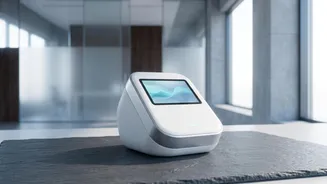
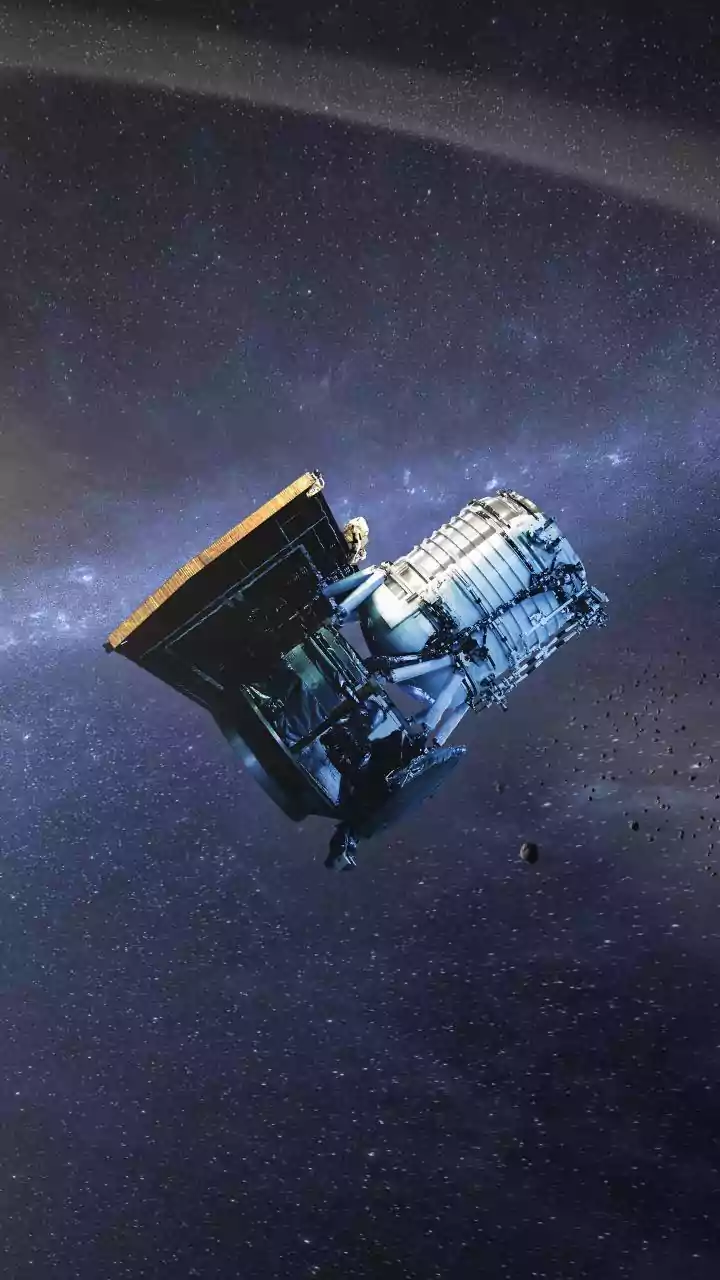
Space is an unforgiving environment. Every piece of equipment must be compact, durable, and highly efficient. Medical devices are no exception. The need for portable, low-power diagnostic tools on spacecraft, such as handheld ultrasound machines or advanced monitors, pushes engineers to create smaller and more powerful technology. These innovations often find their way into terrestrial hospitals and clinics. ISRO has already developed a low-cost bionic limb and an artificial polyurethane foot as spin-offs from its research. The partnership with AIIMS is expected to accelerate the creation of such devices, from advanced imaging systems inspired by telescope optics to new tools for robotic surgery.
Unlocking the Secrets of Aging and Disease
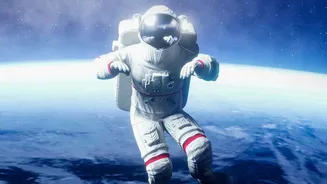
The microgravity environment of space affects the human body in ways that mimic accelerated aging. Astronauts experience rapid bone density loss, similar to osteoporosis, and muscle atrophy. Their immune systems can also become compromised. By studying these changes in a controlled environment, scientists at ISRO and AIIMS can gain invaluable insights into age-related conditions that affect millions on Earth. Research on countermeasures for astronauts, such as specific exercises or nutritional supplements, could lead to breakthrough treatments for osteoporosis, muscle wasting diseases, and immune deficiencies in the general population.
Revolutionising Emergency and Critical Care
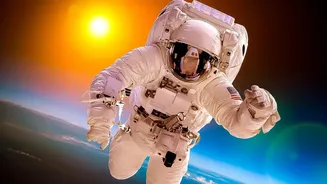
Medical emergencies in space demand protocols that are effective with limited resources and no chance of immediate evacuation. Astronauts are trained in advanced first aid and must manage complex situations, sometimes with guidance from ground control. The life support systems and emergency procedures developed for missions like Gaganyaan can be adapted for use in ambulances, emergency rooms, and disaster relief scenarios on Earth. Furthermore, developing closed-loop life support systems—which recycle air and water—can inspire better technologies for ICUs and other critical care settings where resource management is key.
Advancing Nutrition and Human Resilience
Keeping astronauts healthy on long-duration missions requires a deep understanding of nutrition. Every meal must be packed with the precise nutrients needed to counteract the negative effects of spaceflight. This research into optimal nutrition for peak human performance in extreme environments has terrestrial benefits. It can inform better dietary guidelines for athletes, military personnel, and even patients recovering from illness. The psychological aspect is also crucial; studying the behavioural health of astronauts in isolation helps develop strategies to support mental well-being in high-stress jobs and situations on Earth.