


The Hidden Mechanics of Sitting
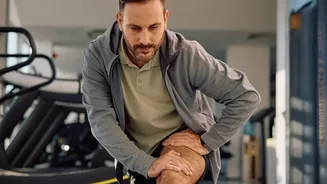
The human body is designed for movement. When you sit for long periods, especially with your knees bent at a 90-degree angle, you're placing them in a position that can cause several problems over time. This static, flexed position puts sustained pressure
on the cartilage underneath your kneecap. Furthermore, prolonged inactivity reduces the circulation of synovial fluid, the natural lubricant that nourishes your cartilage and keeps your joints moving smoothly. Without regular movement, this fluid doesn't circulate efficiently, leading to stiffness, reduced nutrient exchange, and an environment where wear and tear can accelerate. This lack of movement is an unnatural state for the knee joints.
Muscle Imbalance and Weakness
A sedentary lifestyle doesn't just affect the joint itself; it creates a cascade of muscle imbalances that compromise knee stability. When you're sitting, your hamstrings and hip flexors are in a shortened, tightened state, while your quadriceps and glutes become weak and inactive. Over time, these tight muscles pull on the knee joint, creating improper alignment and strain. Simultaneously, the weakened glutes and quads, which are supposed to act as primary shock absorbers and support structures for the knee, fail to do their job effectively. This forces the knee joint and its surrounding ligaments to bear loads they aren't designed for, increasing the risk of pain and long-term damage like chondromalacia, where the kneecap doesn't track correctly.
Ergonomics Beyond the Back
Ergonomics is often associated with preventing back and wrist pain, but a proper setup is crucial for knee health as well. The goal of ergonomic care for your knees is to create a neutral, supported posture that minimizes strain. Start by adjusting your chair height so that your feet are flat on the floor and your hips are positioned slightly higher than your knees. This open angle at the hip and knee reduces pressure on the joint. If your feet don't reach the floor, use a footrest. Avoid crossing your legs for extended periods, as this can twist the knee and hip, disrupting proper alignment. These simple adjustments help to distribute pressure more evenly and promote better circulation.
The Power of Movement
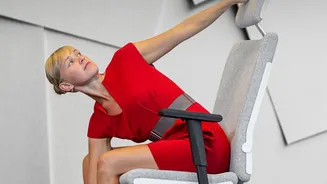
The most effective ergonomic intervention is not a static position, but dynamic movement. Studies have shown that healthy adults can start to experience knee stiffness after just 30 to 60 minutes of sitting still. The solution is to integrate micro-breaks into your day. Every 30 to 60 minutes, stand up, stretch, and walk around for a few minutes. This simple act encourages the flow of synovial fluid, activates your muscles, and relieves the sustained pressure on your joints. You can also perform simple seated exercises, like straight-leg raises or ankle pumps, to keep the muscles engaged and prevent stiffness. Gently straightening and bending your knee while seated is enough to provide some relief.
Strengthening Your Support System
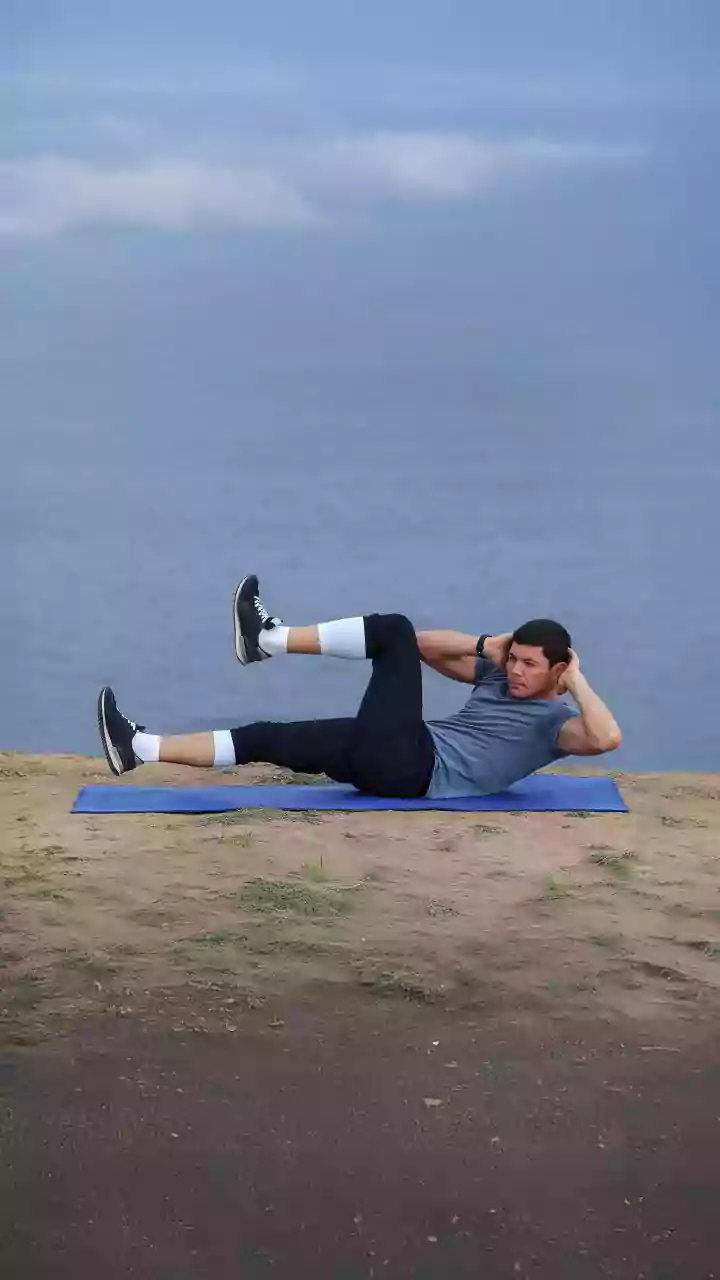
While ergonomic adjustments and movement breaks are vital, the long-term solution lies in strengthening the muscles that support your knees. A targeted exercise routine can counteract the weakening effects of a sedentary lifestyle. Focus on low-impact activities that build strength without stressing the joints, such as swimming, stationary cycling, or walking. Incorporate exercises that target the key support muscles: quadriceps, hamstrings, glutes, and hips. Moves like half-squats, leg extensions, hamstring curls, and calf raises can all help build a strong, stable foundation around the knee. Strengthening these muscles ensures they can properly absorb impact and reduce the load that falls directly on the knee joint.