





Reset vs. Declutter: Know The Difference
Let’s be clear: tidying, resetting, and decluttering are not the same thing. Tidying is the simple act of putting things back in their designated homes. A 'reset' is a focused session of tidying and light cleaning to restore function and visual order
to your most-used spaces. It’s about making your home feel manageable again. Decluttering, on the other hand, is the decision-making process of sorting through your possessions and getting rid of what you no longer need or want. It involves pulling things out, evaluating them, and creating new organizational systems. Trying to declutter in 60 minutes often creates a bigger mess than you started with, leading to frustration and burnout.
The Danger of Hasty Decluttering
When you try to force a massive decluttering project into a short timeframe, you set yourself up for failure. You'll pull everything out of a closet or cabinet, only to realize you don't have the time to sort it properly. This often results in a 'churn,' where items are simply moved from one pile to another, or you give up, leaving the space in worse shape than before. Deep decluttering requires mental energy and thoughtful decision-making, which are both in short supply when you're racing against the clock. A one-hour reset embraces a 'good enough' philosophy, focusing on progress, not perfection.
Your 60-Minute High-Impact Reset Plan
The goal of a one-hour reset is maximum visual impact. It's about tackling the things that make your space feel messy. Set a timer and put on some music to keep your energy up. The key is to stay focused and move quickly, without getting bogged down in any single task. Use a basket or tote to collect items that belong in other rooms; you can put them away at the end. This strategy prevents you from getting sidetracked running all over the house.
The First 20 Minutes: Kitchen & Entryway
Start in the kitchen, often the heart and clutter-magnet of the home. Spend 15 minutes here: unload or load the dishwasher, clear the counters of anything that doesn't belong, and give them a quick wipe. Wipe down the stovetop and sink. Take out the trash. Don't organize the pantry; just restore surface-level order. For the next five minutes, move to your entryway. Hang up coats, put shoes away, and sort any mail that has accumulated. A clear entryway immediately makes a home feel more orderly.
The Next 20 Minutes: Living Spaces
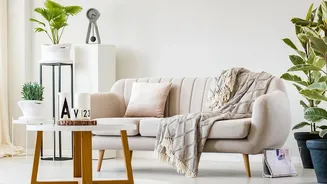
Dedicate 10 minutes to the main living area. Your goal is visual calm. Fluff pillows, fold blankets, and clear surfaces like coffee and end tables. Collect any stray cups, books, or remotes and return them to their homes. Use the next 10 minutes on a main bathroom. Wipe down the counter, sink, and mirror. Give the toilet a quick scrub and replace the hand towel. This isn't a deep clean; it’s a quick refresh that makes a big difference.
The Final 20 Minutes: Floors & Final Touches
With your surfaces clear, spend 15 minutes on the floors. Run a vacuum in high-traffic areas and walkways. You aren't moving furniture, just picking up the visible dirt and crumbs. In the final five minutes, do a final walkthrough. Distribute the items from your 'put-away' basket. Light a candle or open a window to freshen the air. Enjoy the sense of calm you've created in just one hour.