




A Tale of Two Waste Streams
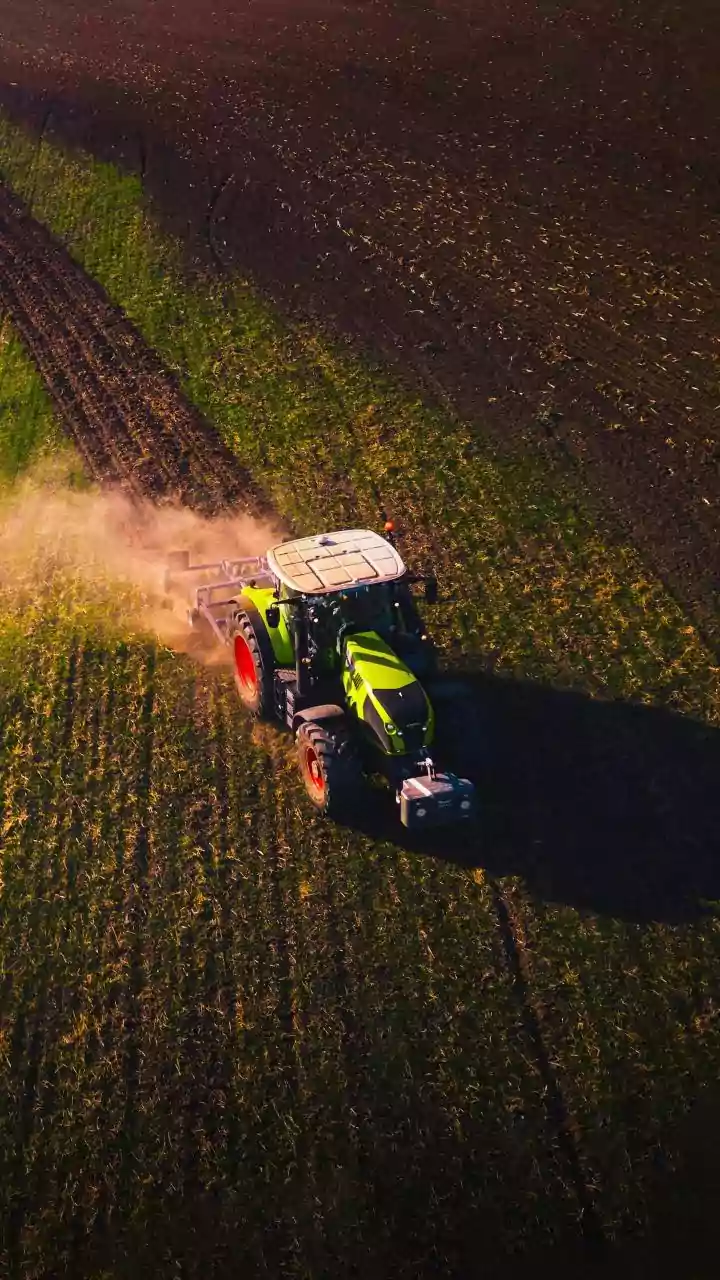
India generates a staggering amount of agricultural residue every year, estimated at over 500 million tonnes. Much of this biomass, like paddy straw and sugarcane bagasse, is often burned in fields, contributing to severe air pollution. At the same time,
the construction industry is a massive consumer of energy and resources. Traditional insulation materials like polystyrene foam or mineral wool are derived from fossil fuels, require energy-intensive manufacturing processes, and contribute to landfill waste at the end of their life. This dual problem creates a significant environmental burden, demanding innovative, circular solutions that turn waste into value.
Enter Mycelium: Nature’s Glue
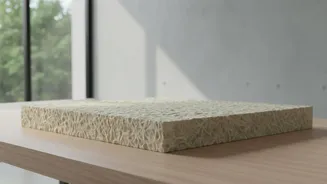
The solution comes from an unlikely source: the hidden root network of fungi, known as mycelium. This vast, web-like structure is nature's ultimate recycler, breaking down organic matter. When given a food source, like agricultural waste, mycelium grows into a dense mat of tiny filaments, acting as a natural, self-assembling glue. This process binds the loose waste particles together into a solid, durable composite material. Visionary startups have harnessed this natural process to 'grow' materials that are not only sustainable but also possess remarkable properties for construction.
The Growth Process: From Farm to Form
Creating a mushroom-based panel is a fascinating blend of biology and engineering. The process begins by selecting and preparing agricultural by-products like straw, hemp stalks, or sawdust. This substrate is pasteurised to remove any competing microbes and then inoculated with a specific strain of fungal mycelium. The mixture is then packed into moulds of the desired shape, such as a flat panel. Over the next five to fourteen days, in controlled conditions, the mycelium grows, weaving its way through the waste and binding it into a solid block. Once fully colonised, the panel is gently heated to deactivate the fungus, rendering it a stable and inert material, ready for use. No spores or allergens remain, making it completely safe.
The Green Advantages
Mycelium-based panels boast a compelling list of eco-friendly and high-performance benefits. They are fully biodegradable and can be composted at the end of their life, returning nutrients to the soil. The manufacturing process is carbon-negative, as it sequesters the carbon that would have been released from burning or decaying farm waste. Compared to polystyrene, mycelium insulation can be made using 90% less water and 40% less electricity. These panels are naturally fire-resistant without the need for toxic flame-retardant chemicals. They also provide excellent thermal and acoustic insulation, are breathable, and free of the volatile organic compounds (VOCs) often found in synthetic materials, contributing to healthier indoor air quality.
Indian Innovators and Future Hurdles
This green revolution is taking root in India. Startups are exploring mycelium technology to create a range of products, from packaging to building materials. For instance, some ventures are converting crop residues like paddy straw and banana stems into valuable insulation and composite materials. The potential to create a circular economy linking India's vast agricultural output with its booming construction sector is immense. However, challenges remain. The primary hurdles are achieving cost-competitiveness with mass-produced synthetic materials and scaling up production to meet industrial demand. Gaining market acceptance and navigating building regulations are also key steps on the path to widespread adoption.