


The New Definition of Healthy
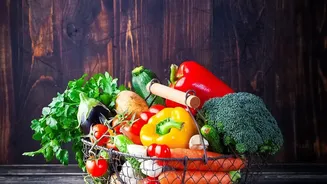
The conversation around healthy eating in India has moved far beyond basic nutrition. Today, it’s all about “perceived health”—a trend where consumers are drawn to products that feel and look wholesome, often prioritizing clean labels and functional benefits.
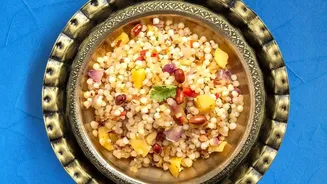
This shift is fuelling explosive growth in the market for organic, non-GMO, and fortified foods. Urban shoppers are increasingly scrutinizing labels, seeking out items with high protein, added fibre, and no artificial ingredients. This has led to the rediscovery of traditional ingredients like millets (jowar, bajra, ragi), which are now appearing in everything from breakfast cereals to cookies. Similarly, products that support gut health, such as probiotic drinks and Greek-style yoghurt, are replacing sugary snacks and soft drinks in many shopping carts. This is not just about avoiding unhealthy options; it's about actively choosing foods that are seen as an investment in long-term wellness and preventive healthcare.
When Convenience Is Non-Negotiable
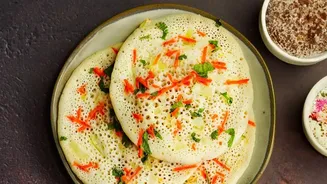
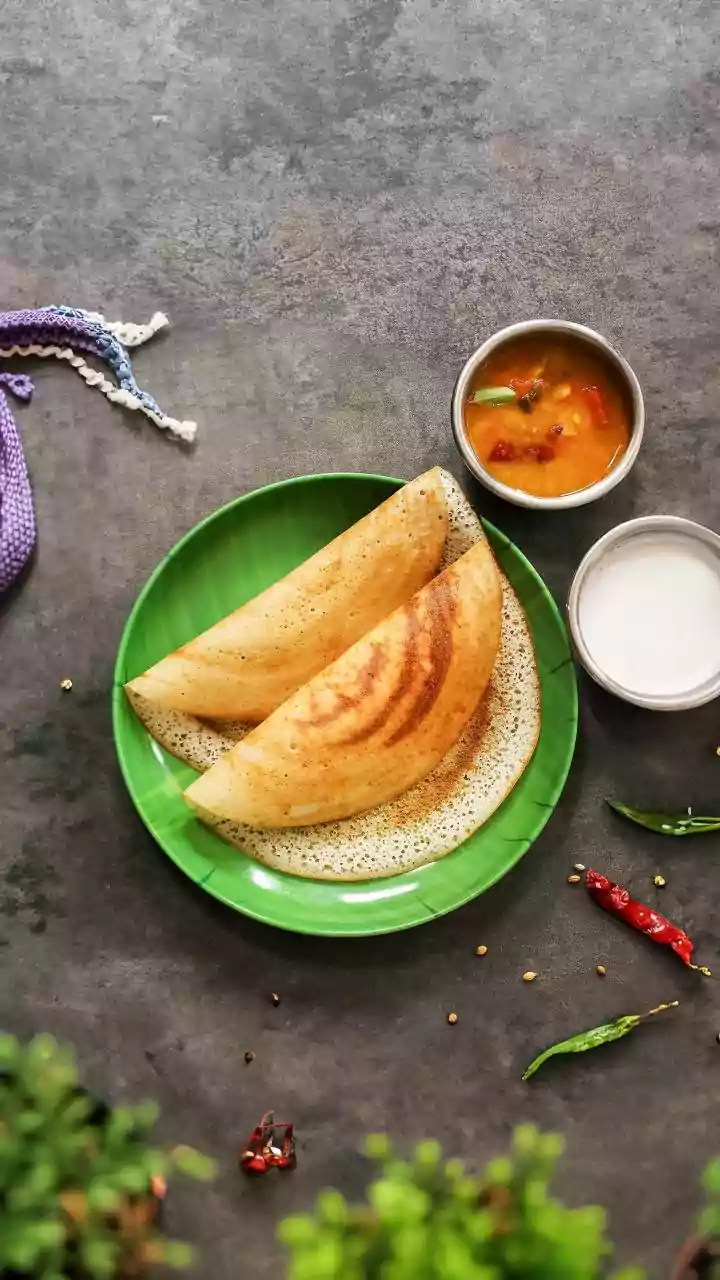
In India's fast-paced urban centres, convenience is no longer a luxury—it's a core expectation. This demand is most visible in the meteoric rise of quick commerce. Platforms promising grocery deliveries in 10 to 30 minutes have fundamentally altered shopping habits, especially for daily essentials and top-up purchases. Before quick commerce, only a third of frequent users preferred online platforms for daily shopping; now, that figure has soared. This need for speed is also transforming the packaged foods aisle. The ready-to-cook (RTC) category, which includes products like dosa batters and pre-made curry mixes, has seen enormous growth, doubling in volume over the last two years and attracting millions of new households. Consumers appreciate that RTC products save time while still allowing them to feel involved in the cooking process. This surge is driven by urbanization, dual-income households, and busy professionals who have little time for extensive meal preparation.
An Appetite for Discovery
The modern Indian consumer is more adventurous than ever, and their grocery cart reflects a growing curiosity for new tastes and experiences. Food discovery is no longer confined to restaurant menus; it's happening in the grocery aisle and on social media. There is a rising demand for global ingredients, regional Indian specialities, and artisanal products. This trend is driven by increased global exposure, a desire for authentic experiences, and the influence of food bloggers and online content creators. As a result, small-batch, handcrafted foods—from artisanal cheeses and chocolates to specialty coffee and organic pickles—are finding a dedicated audience. Consumers are willing to pay a premium for products with a compelling story, transparent sourcing, and high-quality, natural ingredients. This has created opportunities for a new wave of local entrepreneurs and direct-to-consumer brands that cater to a discerning palate.
The Interconnected Future of Food
These three trends—perceived health, convenience, and discovery—do not exist in isolation. They are deeply interconnected, often converging in a single product. A consumer might order a ready-to-cook millet-based meal kit from a quick commerce app, a purchase that satisfies the need for health, convenience, and novelty all at once. Technology acts as the powerful engine driving this convergence. E-commerce platforms provide the access and variety for food discovery, while AI-driven recommendations personalize the shopping experience. The rise of digital payments has made transactions seamless, whether online or in-store. This synergy has created a more dynamic and demanding consumer who expects their grocery provider to deliver on all fronts: health, speed, and inspiration. Brands that succeed are those that understand this intersection and innovate accordingly.