

The Undisputed Tiger Capital
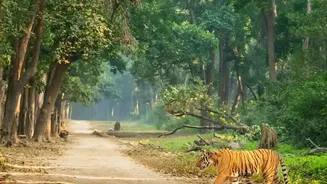
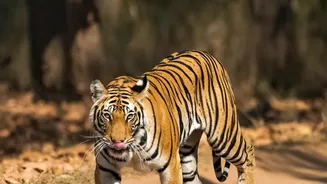
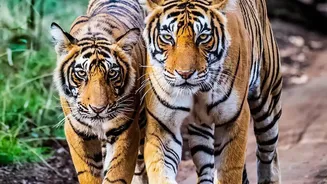
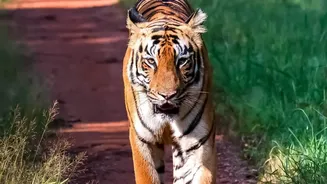
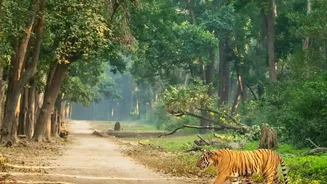
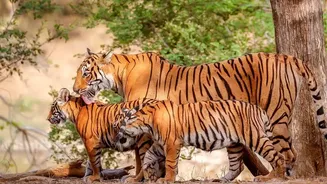
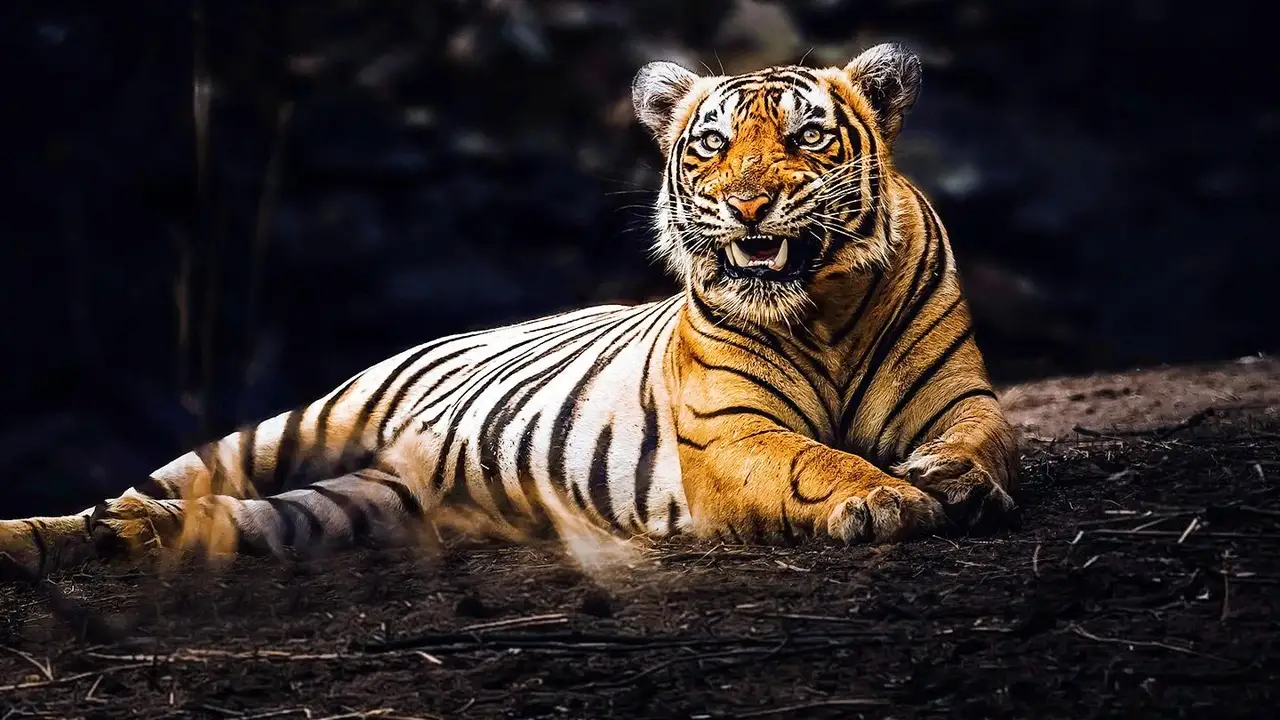
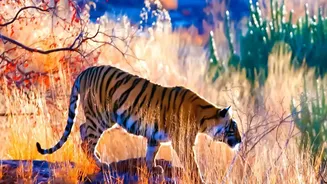
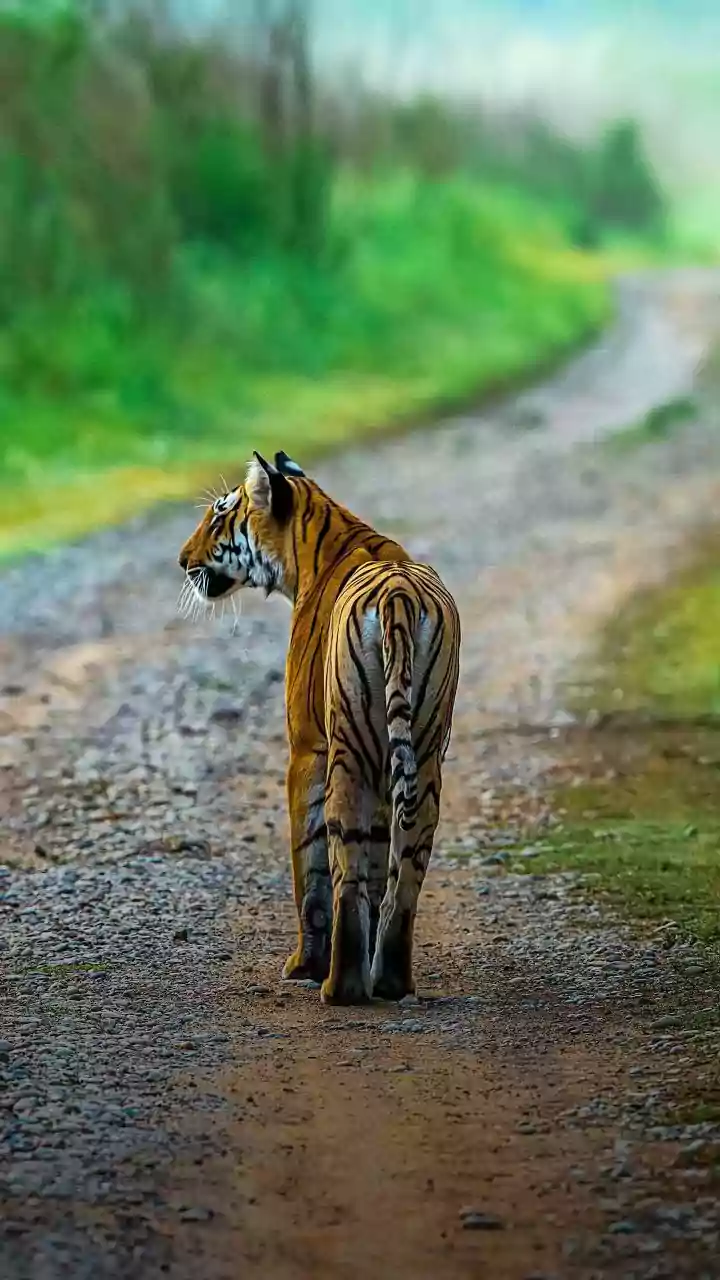
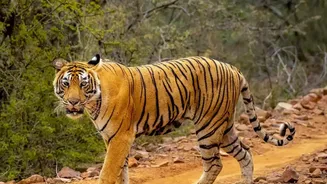
The primary reason travelers cross continents to visit Bandhavgarh is simple: tigers. The park boasts one of the highest densities of Royal Bengal Tigers in the world. With a population of around 70-80 tigers within the reserve, the chances of a sighting
here are exceptionally high, often turning safari dreams into reality. Unlike denser forests, Bandhavgarh's terrain, a mix of Sal forest, bamboo groves, and open grasslands, provides better visibility, making it a haven for wildlife photographers and enthusiasts. It’s not uncommon for visitors to spot a tiger on their very first drive, a statistical reliability that few other parks can offer. This reputation as India's tiger-sighting capital is the park's biggest draw, attracting thousands of international tourists annually.
Exploring the Core and Buffer Zones
The reopening of safari trails after the annual monsoon closure (typically from July to September) is a celebrated event. The park is divided into core zones—Tala, Magadhi, and Khitauli—and buffer zones like Dhamokhar, Johila, and Panpatha. The Tala zone is historically the most famous, featuring varied terrain and the iconic Bandhavgarh Fort. However, as the tiger population has grown, the Magadhi and Khitauli zones have become equally promising for sightings. The reopening allows jeeps back into these prime habitats. Furthermore, the buffer zones, which may remain open year-round depending on conditions, offer a quieter, more exclusive safari experience and are crucial for the dispersal of wildlife from the core area. Exploring these different zones provides a comprehensive look at the park's diverse landscapes and ecosystems.
More Than Just Tigers: A Rich Biodiversity
While tigers are the main event, Bandhavgarh's appeal is deepened by its rich tapestry of other fauna. The park is home to over 35 species of mammals, including elusive leopards, sloth bears, Indian gaur (bison), and various types of deer like sambar and chital. Lucky visitors might also spot a pack of dholes (Indian wild dogs) or a striped hyena. The park is also a birdwatcher's paradise, with over 250 avian species recorded, from majestic crested serpent eagles to colorful Indian rollers and Malabar pied hornbills. This incredible biodiversity ensures that every moment on a safari is filled with potential, offering a complete and rewarding jungle experience that goes far beyond the pursuit of stripes.
A Journey Through History and Myth
What truly sets Bandhavgarh apart from other wildlife reserves is its profound historical and mythological significance. Dominating the park's skyline is the Bandhavgarh Fort, a stunning structure believed to be over 2,000 years old. Legend states that Lord Rama gifted the fort to his brother Lakshmana, giving it the name 'Bandhavgarh' or 'Brother's Fort'. The fort and its surrounding area contain ancient caves with Brahmi inscriptions, monolithic statues of Lord Vishnu's incarnations, and ruined temples. Safari routes, particularly in the Tala zone, weave through these historical remnants, allowing travelers to experience a unique blend of natural wonder and ancient human history. This convergence of wildlife and heritage creates a mystical atmosphere that captivates visitors from across the globe.