


Why Millets Deserve a Spot in Your Pantry
Before we dive into specific flours, let's appreciate why millets are making a major comeback. These small-seeded grains are powerhouses of nutrition. Naturally gluten-free, they are a great option for those with gluten sensitivity. They are packed with protein,
antioxidants, and essential minerals like magnesium, iron, and potassium. Furthermore, millets are rich in dietary fibre, which aids digestion, helps manage blood sugar levels due to a low glycemic index, and can contribute to heart health by helping to control cholesterol. When you bake with millet flours, you are not just creating a treat; you are adding a wealth of health benefits to every bite.
Ragi (Finger Millet): The Calcium Champion
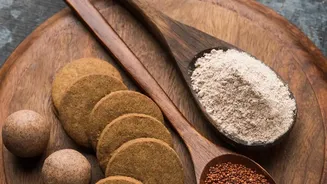
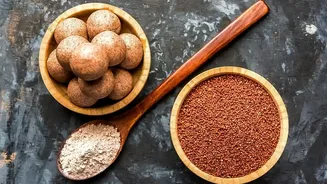
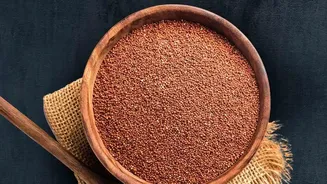
Known for its distinctive reddish hue, Ragi is a nutritional giant, celebrated for being one of the richest plant-based sources of calcium, which is vital for bone health. It also boasts a high iron content. In baking, ragi has a slightly dense, wonderfully moist character and a mild, nutty flavour. It pairs beautifully with chocolate, making it perfect for rich, fudgy brownies and decadent cakes. It also produces delicious cookies. For beginners, a good starting point is to substitute about 25-30% of your regular wheat flour with ragi flour. You can also find recipes that use 100% ragi flour, often balanced with ingredients like curd, bananas, or eggs to ensure a soft texture.
Jowar (Sorghum): The Versatile All-Rounder
If you're looking for a millet flour that can easily adapt to various recipes, Jowar is your answer. It has a mild, slightly sweet flavour and a texture that closely resembles traditional wheat flour, making it an excellent all-purpose substitute in gluten-free baking. High in protein, fibre, and antioxidants, Jowar is a fantastic choice for making your baked goods more nutritious. It works wonderfully in cakes, muffins, and even pancakes. Because it's gluten-free, it can sometimes result in a drier, more crumbly texture. To counteract this, it's often blended with other flours or requires a good binding agent like eggs, yogurt, or flaxseed meal to add moisture and structure. Try it in a banana bread or a simple sponge cake to appreciate its versatility.
Bajra (Pearl Millet): The Bold and Earthy Choice
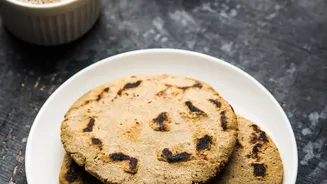
Bajra is a staple in many Indian households, especially during winter, and is prized for its warming properties. It has a distinct, strong, and nutty flavour that adds a rustic and earthy dimension to baked goods. Bajra is a fantastic source of iron, protein, and magnesium. While its bold flavour might not be for every sweet recipe, it shines in savoury bakes like crackers and masala biscuits. It's also excellent for making cookies, often paired with ghee, which complements its flavour profile beautifully. When substituting, it’s best to start by mixing it with whole wheat flour to get accustomed to its texture and taste. Due to its assertive taste, it's recommended to avoid pairing it with other strong-flavoured ingredients like jaggery in some recipes.
Tips for Baking with Millet Flours
Switching to millet flours is an exciting journey. To get the best results, keep a few things in mind. First, don't go for a 100% substitution right away unless the recipe calls for it. Start by replacing 25% of the all-purpose or wheat flour with millet flour and see how you like the result. Since millet flours are high in fibre, they tend to absorb more liquid, so you might need to increase the amount of milk, water, or oil in your recipe to avoid a dry outcome. Also, because they are gluten-free, they don't have the same binding properties as wheat. Combining them with other flours or adding binders like eggs, yogurt, or psyllium husk can help create a better structure. Finally, store your millet flours in an airtight container in a cool, dark place to maintain their freshness.