







Monsoon Fury: The Current Situation
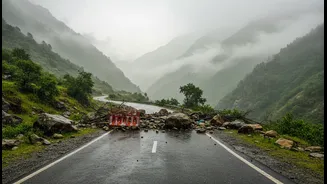
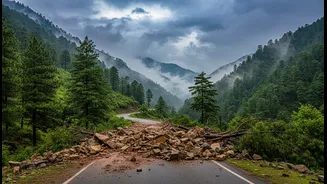
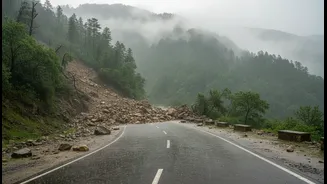
The monsoon season is currently active across Himachal Pradesh, with the India Meteorological Department (IMD) issuing multiple alerts for heavy to very heavy rainfall. In recent days, torrential rains have triggered flash floods and landslides, leading
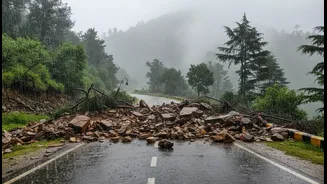
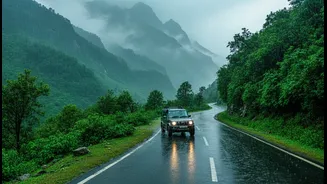
to significant travel disruptions. National Highway 5, a critical route connecting Kinnaur and Shimla, has faced blockages due to debris. Reports from early July indicated that dozens of roads were closed across various districts, including Kullu, Mandi, Chamba, and Sirmaur, leaving vehicles stranded. Authorities are working to clear the blockages, but the continuous rainfall means the situation remains unpredictable. The IMD has warned that the intense rainfall could lead to waterlogging, poor visibility, and hazardous, slippery roads.
Why Himachal Roads Are So Vulnerable
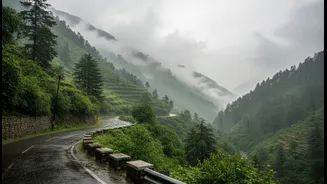
The state's stunning mountain geography is also its greatest vulnerability during the monsoon. The Himalayan region has steep, fragile slopes composed of rock and soil that are easily destabilized. When saturated with relentless rain, these slopes can give way, causing landslides that dump tonnes of mud, boulders, and debris onto the roads below. Furthermore, the numerous rivers and streams (nullahs) that crisscross the state can swell into raging torrents within minutes, leading to flash floods that wash away bridges and road sections. This combination of fragile geology and intense precipitation means that even newly built roads can be compromised without any prior indication.
High-Risk Zones and Travel Advisories
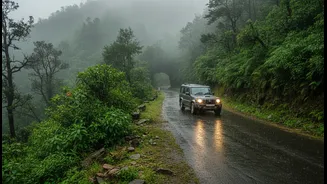
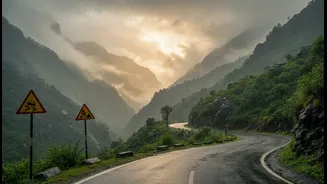
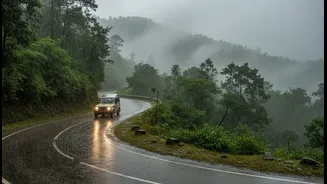
While any mountain road is at risk, certain routes are notoriously problematic during the monsoon. The IMD has specifically issued orange and yellow alerts for districts including Kangra, Mandi, Shimla, Sirmaur, Kullu, and Chamba. Key highways to watch include National Highway 5 (Shimla-Kinnaur), which has seen recent flash floods, and National Highway 3 (Mandi-Kullu-Manali), which is susceptible to flooding from the Beas river. Officials have repeatedly urged tourists and residents to avoid travelling to landslide-prone areas and to maintain a safe distance from rivers and streams. Night driving is strongly discouraged as visibility drops and fresh landslides are difficult to spot.
Your Pre-Travel Safety Checklist
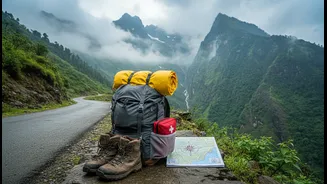
Preparation is the most critical tool for anyone planning to travel in Himachal during this season. Before you even start your journey, check the latest weather forecasts from the IMD Shimla centre. Follow the official social media handles of the state and district police for real-time road status updates. Prepare your vehicle by ensuring tyres, brakes, and wipers are in excellent condition. Pack an emergency kit containing a first-aid box, torch, dry food items, water, and a power bank. It is also wise to book refundable hotels and add buffer days to your itinerary to accommodate unexpected delays without pressure. Do not rely solely on GPS; trust advice from local police and experienced drivers.
What to Do If You Get Stranded
Getting stuck due to a landslide or road closure can be a frightening experience, but staying calm is paramount. If caught in a landslide zone, remain in your vehicle unless there is an immediate danger of it being swept away. Do not attempt to cross roads that are flooded or covered in flowing debris. Contact emergency services and provide them with your exact location. Inform your family or friends about your situation. If you are in a safe location with no network, wait for authorities to arrive. Local administrations, police, and disaster response forces are typically quick to launch rescue and relief operations in affected areas.