







A Reliable Buffer Against Supply Cuts
Chennai's municipal water supply can be unpredictable, especially during the dry season when reservoir levels drop. Many households become dependent on water tankers, planning their days around their arrival. A rainwater storage tank, often a sump underground,
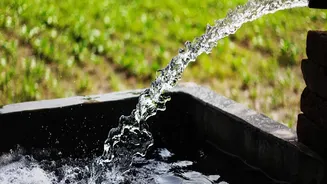
acts as a personal reservoir for your home. By collecting the abundant rainfall during the northeast monsoon (October to December), a household can secure a backup water source. This stored water provides a crucial buffer, reducing dependency on the strained municipal grid and the uncertainty of tanker schedules, ensuring that taps don't run dry when the city-wide supply falters.
Significant Savings on Water Bills
Relying on private water tankers during periods of scarcity is not just inconvenient, it's also expensive, placing a heavy burden on household budgets. Every litre of rainwater collected and used is a litre you don't have to buy. Using stored rainwater for non-potable needs like flushing toilets, washing clothes, cleaning floors, and watering gardens can drastically reduce a home's consumption of municipal water. This leads to direct and substantial savings on monthly water bills. For many, the return on investment for a rainwater harvesting system can be realised within just a few years through these savings alone.
Replenishing an Ailing Groundwater Table
The benefits of rainwater harvesting extend beyond a single household. For decades, Chennai has been over-extracting groundwater, leading to falling water tables and even seawater intrusion in coastal areas. Rainwater harvesting systems that channel overflow into recharge pits help replenish these depleted aquifers. When Tamil Nadu first made rainwater harvesting mandatory in 2003, Chennai's groundwater levels rose by as much as 50% within five years, demonstrating the collective power of this practice. Every home that participates contributes to the water security of the entire neighbourhood, as healthy aquifers benefit everyone's borewells.
A Source of High-Quality, Soft Water
Rainwater is naturally soft, meaning it has low concentrations of minerals like calcium and magnesium. Hard water, which is common from borewells, can cause soap scum, scale buildup in pipes and appliances, and can be harsh on skin and hair. The soft water collected from rooftops is ideal for laundry, bathing, and cleaning, often requiring less soap and detergent. While it requires proper filtration before being used for cooking or drinking, its natural quality makes it a superior source for many daily household chores.
A Mandated and Manageable Solution
In Chennai, installing a rainwater harvesting system is not just a smart choice—it's the law. The Tamil Nadu government made RWH mandatory for all buildings back in 2003 to combat water scarcity. This legal framework means that most modern homes and apartments are already equipped with the basic infrastructure. The key is maintenance. Ensuring that rooftop catchment areas, pipes, and filters are cleaned before the monsoon season is crucial for the system to function effectively. Though many older systems have fallen into disrepair, a well-maintained setup is a durable and low-effort way to secure a vital resource right at home.