





The Monsoon's New Rhythm
For generations, the Indian monsoon was characterized by steady, often gentle, rainfall that spanned weeks, nourishing crops and replenishing water sources. However, climate change is rewriting this script. Scientists observe that the monsoon is shifting
from a pattern of prolonged, moderate rain to one with longer dry spells punctuated by short, extremely heavy downpours. This means the total number of rainy days in a season might be decreasing, but the intensity of the rain on those days is increasing dramatically. It’s a move from a steady drizzle to a sudden deluge.
The Science of Intense Bursts
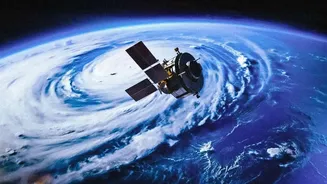
What is driving this change? The primary culprit is a warmer climate. Rising temperatures, particularly over the Arabian Sea and the Bay of Bengal, allow the atmosphere to hold more moisture. For every degree Celsius of warming, monsoon rainfalls are projected to increase by about 5%. This supercharged air doesn't release its moisture evenly. Instead, it unleashes it in concentrated, high-impact bursts. Weather systems now arrive loaded with more moisture than before, dumping massive amounts of rain in just a few hours or days, overwhelming natural and man-made systems.
Urban India's Concrete Problem
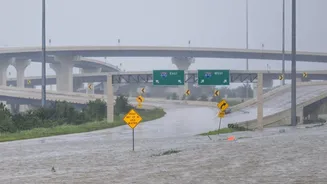
This new rainfall pattern is particularly catastrophic for India's cities. Urban areas, with their vast expanses of concrete and asphalt, have very little permeable ground to absorb water. When a massive amount of rain falls in a short period, it has nowhere to go but into drainage systems. Unfortunately, many of these systems are outdated, designed for the milder rainfall patterns of the past. For example, Mumbai's storm drains were built for about 25 mm of rain per hour, but the city now faces downpours far exceeding 100 mm per hour. The result is predictable and devastating: flash floods that bring cities to a standstill.
The Paradox of Flood and Drought
The most dangerous aspect of this trend is the twin crisis it creates. While heavy bursts of rain cause immediate flooding, they are inefficient at replenishing groundwater, which is crucial for long-term water security. Because the rain falls so quickly and runs off the hardened, dry soil so fast, less of it percolates deep into the ground to recharge aquifers. This leads to a paradoxical situation where a region can experience devastating floods during the monsoon, only to face water scarcity and drought-like conditions in the following months. We are witnessing a cycle of too much water, and then not enough.
Adapting to the New Normal
This shift in monsoon behavior presents a profound challenge for India's agriculture, infrastructure, and disaster management. Farmers face the dual threat of crops being washed away by floods and then failing due to a lack of soil moisture later. Planners can no longer rely on historical rainfall averages. The focus must shift to building resilience against extreme events. This includes upgrading urban drainage systems, protecting and reviving wetlands and floodplains to act as natural sponges, implementing better water harvesting techniques to capture the intense rain, and improving the accuracy and reach of early warning systems for extreme weather events.