





More Than Just a Rind
The peel is surprisingly rich in certain nutrients. It contains significant amounts of vitamin C, fibre, and beneficial plant compounds called polyphenols and flavonoids. Research suggests these compounds may have anti-inflammatory properties and contribute
to overall health. While you wouldn't want to eat a raw peel due to its bitterness and tough texture, the process of turning it into preserves makes it palatable and unlocks a wonderfully intense citrus flavour that you can't get from the juice alone. By saving your peels, you’re not just reducing waste; you’re capturing flavour and nutrients.
Choosing the Right Oranges
Since you'll be consuming the peel, the quality of your oranges matters. Conventionally grown citrus is often treated with pesticides and fungicides to protect it from pests and mould. These residues tend to concentrate on the peel's surface. While washing the fruit thoroughly under running water can help reduce surface residues, it won't eliminate them entirely, as some pesticides are systemic, meaning they are absorbed by the plant. For this reason, it is highly recommended to use certified organic oranges. This ensures you are avoiding synthetic pesticides from the start. Regardless of your choice, always give the oranges a good scrub before you begin.
Taming the Bitterness
The key to delicious orange peel preserves is removing the natural bitterness of the white pith. This is achieved through a simple but crucial process called blanching. Start by slicing your peels into thin, uniform strips. Place the strips in a saucepan, cover them with cold water, and bring the water to a rolling boil. Let them boil for about five to ten minutes, then drain the water completely. You will need to repeat this process at least three or four times, using fresh water each time. After the final boil, taste a piece of the peel. It should be tender and the intense bitterness should be gone, leaving behind a pleasant citrus essence. This step is non-negotiable for a tasty final product.
Recipe: Classic Candied Orange Peels
Candied orange peel is a timeless treat and an excellent starting point. After blanching your peels, you'll simmer them in a sugar syrup. For every cup of prepared peel strips, you'll need one cup of sugar and one cup of water. Combine the sugar and water in a saucepan and bring to a simmer, stirring until the sugar dissolves. Add the blanched peels to this simple syrup. Let them cook over low to medium heat for about 45 to 60 minutes, or until the peels become translucent and the syrup has thickened considerably. Stir occasionally to prevent sticking. Once cooked, carefully remove the peels from the syrup with a fork, letting the excess drip off. Toss the warm, sticky peels in a bowl of granulated sugar until they are fully coated. Spread them on a wire rack to dry for several hours, until they are no longer sticky to the touch.
From Peels to Marmalade
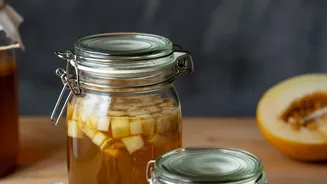
If you prefer a spreadable preserve, making a simple peel-only marmalade is another fantastic option. Follow the same steps for choosing and blanching your peels. Once the bitterness is removed, finely chop the tender peels. In a pot, combine the chopped peels with sugar and a bit of liquid. A good ratio is equal parts by weight of peel, sugar, and a liquid made of water and fresh orange or lemon juice. Bring the mixture to a boil, then reduce the heat and let it simmer, stirring frequently, until it thickens. This can take anywhere from 40 to 60 minutes. To test if it's ready, place a small spoonful on a cold plate; if it wrinkles when you push it with your finger, it's done. Let it cool slightly before pouring into sterilized jars.
How to Use Your Creations
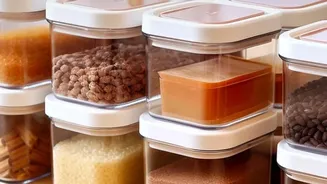
Your homemade orange preserves are incredibly versatile. Candied peels are delicious on their own, dipped in melted dark chocolate, or chopped and added to scones, muffins, and fruitcakes. They also make an elegant garnish for cocktails and desserts. The marmalade is perfect for spreading on toast, croissants, or scones. You can also use it as a glaze for roasted chicken or pork, or swirl it into plain yogurt for a flavourful breakfast. Stored in airtight containers, these preserves make for a thoughtful, homemade gift that showcases your commitment to a zero-waste kitchen.