




Plan Before You Leave
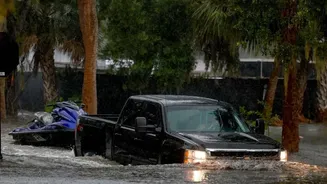
The most important part of a monsoon commute happens before you even step out of the door. Always check the weather forecast and traffic updates for your route. If heavy rain is predicted, leave earlier than usual to account for inevitable delays. Many
cities have apps that provide real-time updates on traffic and waterlogging. Avoid shortcuts through flooded streets; hidden potholes or open drains can be incredibly dangerous. If you cannot judge the depth of the water, find an alternative route. Your safety is more important than saving a few minutes.
Essential Gear for Every Commuter
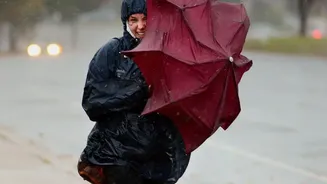
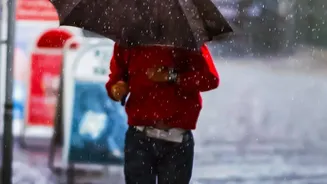
Your monsoon battle gear is your first line of defence. A high-quality raincoat or poncho often provides better protection than an umbrella, especially in windy conditions. For those on two-wheelers, a full rain suit is ideal. A waterproof backpack or a rain cover is non-negotiable to protect laptops and other electronics. For extra safety, keep gadgets inside sealed plastic pouches. It's also wise to keep a spare pair of clothes and footwear at your office. Finally, a small, quick-drying towel and a power bank can be lifesavers during unexpected delays.
Tips for Two-Wheeler Riders
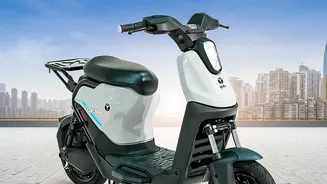
Riding a motorcycle or scooter in the rain requires immense caution. Before the season starts, ensure your tyres have adequate tread depth for grip on slippery roads. Check that your brakes are responsive and that all lights—headlight, taillight, and indicators—are working perfectly for visibility. On the road, ride smoothly. Avoid sudden acceleration, hard braking, or sharp turns, as these can easily lead to a skid. Maintain a much larger following distance than you would in dry conditions, as braking distances are significantly longer on wet surfaces. Be extremely wary of oil patches and metal plates on the road, which become extra slippery when wet.
Advice for Car Drivers
For those in cars, visibility and control are key. Ensure your wiper blades are in top condition and can clear the windshield effectively. Drive with your low-beam headlights on even during the day to make your vehicle more visible to others. Reduce your speed significantly; the posted speed limit is for ideal conditions, not a downpour. Be mindful of hydroplaning, which can happen when your tyres lose contact with the road over a patch of water. If it happens, ease off the accelerator and steer straight until you regain control. Maintain double the usual distance from the vehicle in front of you and be considerate to pedestrians and two-wheeler riders by not splashing through puddles.
Navigating Public Transport
Commuting by bus or train has its own set of monsoon challenges. Wear anti-skid footwear to navigate slippery station platforms and floors. An oversized poncho can be useful as it can cover you and your bag. Be mindful of others in crowded spaces; a wet raincoat or dripping umbrella can be a nuisance. If possible, try to travel during off-peak hours to avoid the worst of the crowds. Keep your phone charged and use tracking apps to monitor delays. It's also a good idea to have some cash on hand, as digital payment systems can be unreliable during heavy rain.
Don't Forget Your Health
The monsoon is a breeding season for germs. Avoid street food, which may be exposed to contaminated water. Drink boiled or purified water to stay hydrated and avoid waterborne diseases. If you get drenched, change out of wet clothes as soon as possible to prevent fungal infections. Wash your feet thoroughly with soap after wading through waterlogged streets. Boosting your immunity with a balanced diet rich in Vitamin C can also help you stay healthy throughout the season.