
Choosing the perfect home for your plant can feel as crucial as picking the plant itself. In the world of pots, two contenders dominate: the classic, earthy terracotta and the modern, versatile plastic. But what really sets them apart?
The Breathability Factor
The most significant
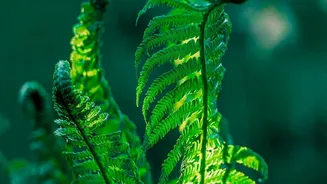
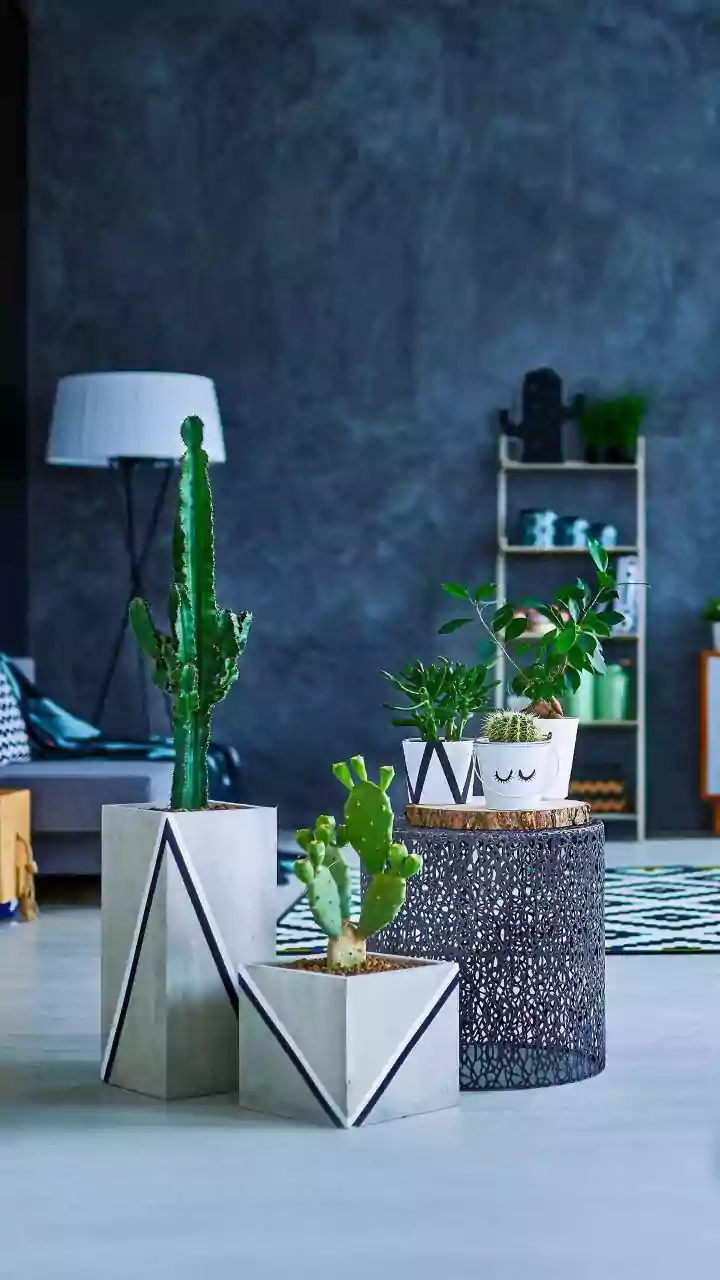
difference lies in porosity. Terracotta pots are made from natural, porous clay, which means air and water can pass through the walls of the pot. This 'breathing' action is fantastic for a plant's roots, as it helps prevent soil from becoming waterlogged and reduces the risk of root rot. It's why terracotta is a favourite for succulents, cacti, and other plants that prefer drier soil. Plastic, on the other hand, is non-porous. Water can only escape from the drainage hole at the bottom, so the soil stays wetter for much longer. This can be an advantage for moisture-loving plants like ferns or for gardeners who tend to forget to water.
Watering and Your Routine
Your watering habits should heavily influence your choice. Because terracotta pots wick moisture from the soil and allow it to evaporate, plants in them need to be watered more frequently. In India's hot summers, a plant in a terracotta pot might need water daily. This makes them ideal for gardeners who might have a heavy watering hand, as the pot provides a buffer against overwatering. Plastic pots retain moisture, so you'll water less often. For busy individuals or those with dozens of plants, this convenience can be a major plus. However, it also means you must be careful not to overwater, as the trapped moisture can quickly become a problem.
Heat, Weight, and Durability
In a warm climate, pot material matters for root temperature. Terracotta has an insulating quality, helping to keep the soil and roots cooler in intense summer heat. Conversely, dark-coloured plastic pots can absorb heat, potentially raising the soil temperature to levels that could stress or damage plant roots. When it comes to weight, terracotta is significantly heavier, which makes pots stable in windy conditions but difficult to move. Plastic pots are lightweight and easy to relocate, a clear advantage for balcony gardeners or those who like to rearrange their space. However, terracotta is fragile and can crack or shatter if dropped or exposed to frost, while modern plastic is more durable and less likely to break.
Aesthetics and Environmental Cost
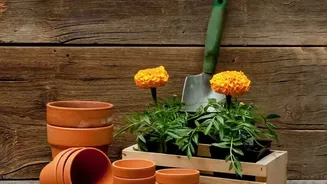
Aesthetically, the choice is personal. Terracotta offers a timeless, rustic charm that develops a unique patina of mineral deposits over time. Plastic offers a vast universe of colours, shapes, and modern finishes, sometimes even mimicking the look of terracotta. From an environmental standpoint, the comparison is clearer. Terracotta is a natural, biodegradable material. If a pot breaks, its shards can be used for drainage in other pots or will eventually break down into the earth. Most plastic pots, derived from petroleum, are not easily recycled and contribute to landfill waste, where they can take hundreds of years to decompose.
So, Which Pot Should You Choose?
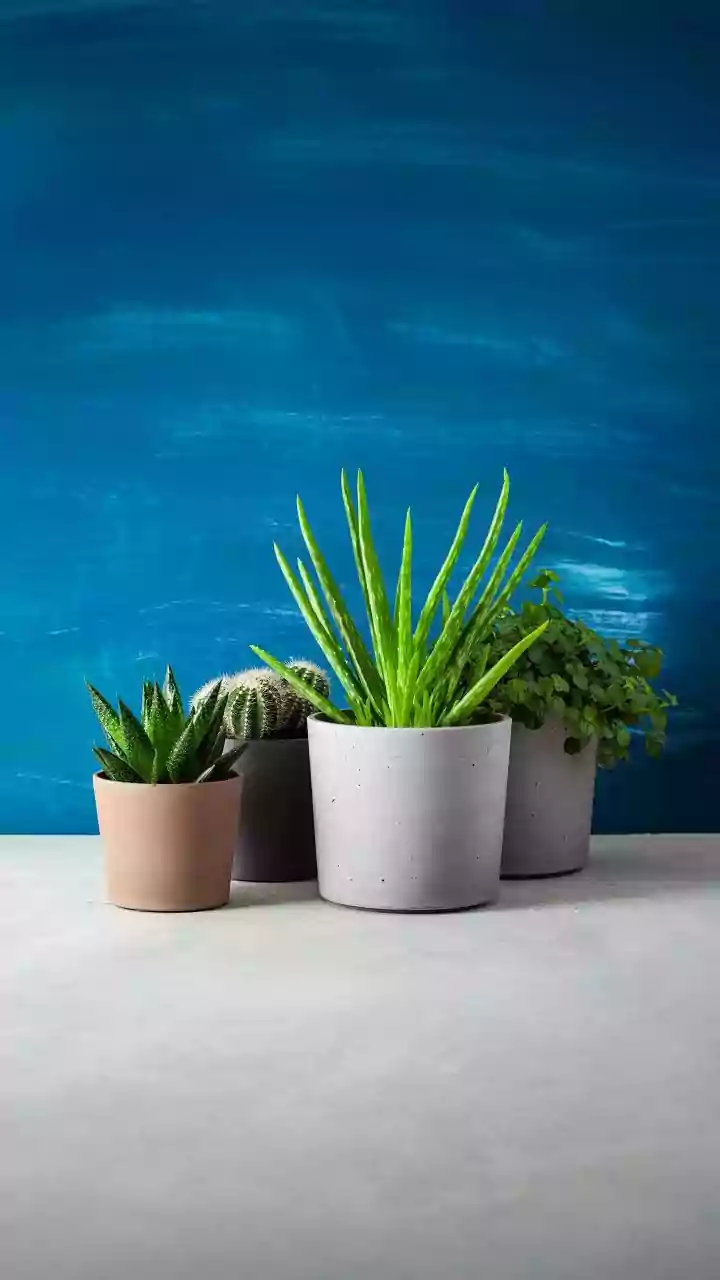
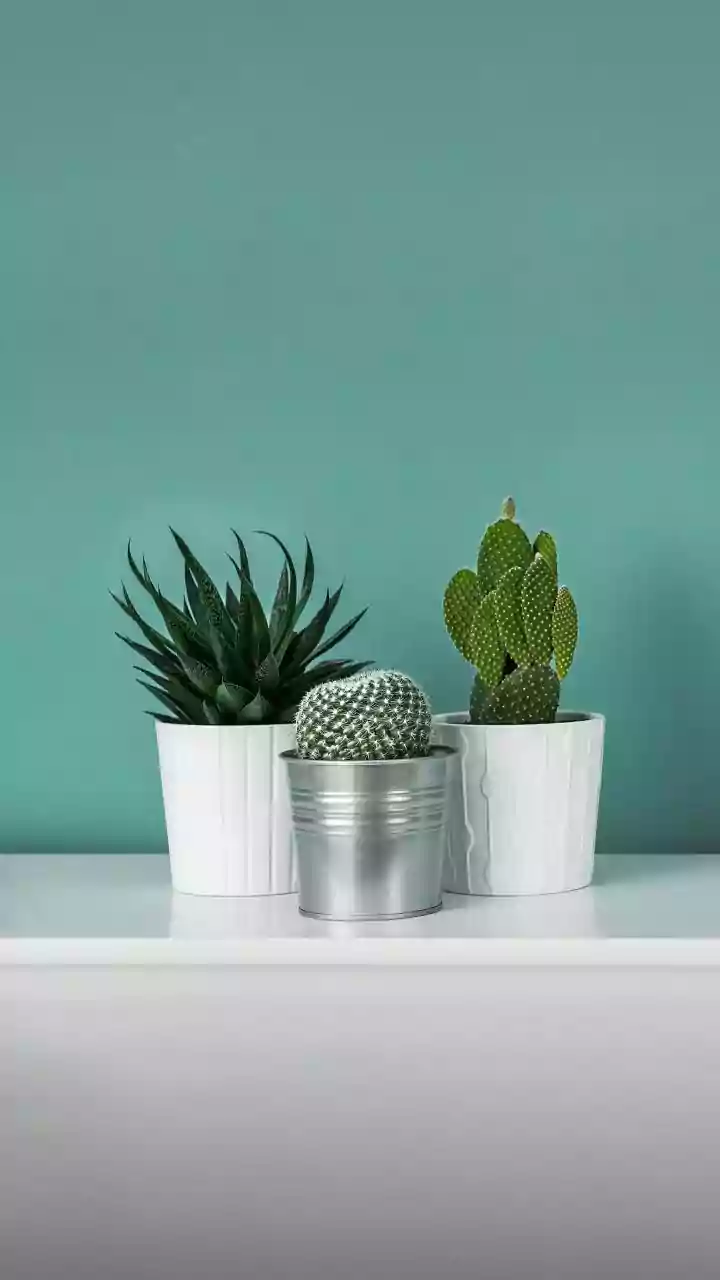
There's no single 'best' pot; the right choice depends on your specific needs. For plants that hate wet feet (like succulents, snake plants, and herbs such as rosemary) or if you live in a place with heavy monsoon rains, terracotta is an excellent choice for its superior drainage. For thirsty plants that love consistent moisture (like money plants or peace lilies), or if you want a lightweight, durable, and budget-friendly option, plastic is often more practical. Many gardeners use a hybrid approach, keeping nursery plants in their original plastic containers and placing them inside more decorative terracotta or ceramic cachepots. This gives you the best of both worlds: moisture retention from the plastic and the aesthetic appeal of the outer pot.