




The Allure of the Perfect Post
In the age of Instagram and TikTok, the pressure to document our lives in a perfectly curated fashion is immense. Beaches, with their natural beauty, are prime locations for creating content that screams 'vacation goals'. This has led to a phenomenon
where the focus shifts from experiencing the moment to capturing it. Travellers can become so engrossed in finding the right angle, setting up a tripod, or directing a shot that they lose awareness of their surroundings. This distraction is more than just a missed sunset; it can be dangerous. While creating beautiful memories to share is part of the fun, it should never come at the expense of ignoring the very real risks that coastlines present.
Know the Unseen Enemy: Rip Currents
The single most significant danger on many beaches is something you might not even see: a rip current. These are powerful, narrow channels of water that flow away from the shore, capable of pulling even the strongest swimmers out to sea. They are not waves that pull you under, but fast-moving currents that drag you away from the beach. You can sometimes spot them by looking for a channel of churning, choppy water, a gap in the breaking waves, or a line of foam or seaweed moving steadily out to sea. Many drownings in India are attributed to these currents, especially on popular but hazardous beaches in Goa, Odisha, and Tamil Nadu. The key to survival is not to fight it. Swimming against a rip will only lead to exhaustion. Instead, stay calm, float, and swim parallel to the shore until you are out of the current's grip, then head back to the beach.
Heed the Flags and Local Wisdom
Lifeguards and local authorities use a flag system for a reason. These flags are the simplest and most effective way to understand the current water conditions. In many Indian beach destinations, red and yellow flags mark the designated safe swimming zones watched by lifeguards. A solid red flag often means it is dangerous to swim, and you should stay out of the water. Ignoring these warnings is a gamble. Always make it a point to swim at a beach with lifeguards on duty and check in with them about the day's conditions. Local fishermen and shack owners also possess invaluable knowledge. If they advise against entering the water, listen to them. Their experience is built over years of observing the sea's unpredictable nature.
Beyond the Water's Edge
Dangers aren't confined to the water. The quest for a dramatic selfie on a rocky outcrop can lead to slips and serious injuries, a risk lifesavers specifically warn against. Other hazards include marine life. Jellyfish stings are common on Indian beaches, especially during the monsoon season in Goa and Kerala, and can be very painful. Shuffling your feet when entering the water can help scare away creatures like stingrays that bury themselves in the sand. Furthermore, basic health safety is crucial. Sunstroke and dehydration are serious risks. Ensure you drink plenty of water, use sunscreen, and take breaks from the sun, especially during the hottest parts of the day. Lastly, never swim after consuming alcohol, as it impairs judgment and reflexes.
Your Pre-Reel Safety Checklist
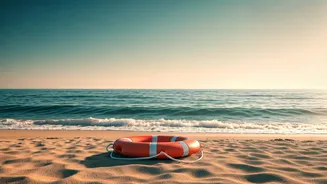
Before you even think about your phone, run through a mental checklist. First, assess the environment. Are lifeguards present? What do the flags indicate? Take a few minutes to watch the water to identify potential rip currents. Second, establish a buddy system. Never swim alone; always have someone with you or watching from the shore. Third, know your limits. If you're not a strong swimmer, stick to the shallows. Even waist-deep water can be dangerous if a current is strong. Once you've established that the area is safe and you have a plan, then you can think about capturing that perfect shot. Let safety be the foundation of your beach experience, not an afterthought.