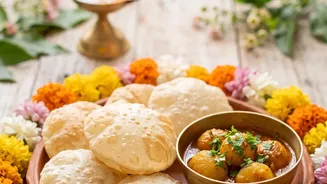





For many Indian families, Sunday morning doesn’t truly begin without the sizzle of puris hitting hot oil and the aroma of a spicy potato sabzi. This isn't just breakfast; it's a cherished ritual, a taste of home that feels like a weekly festival.
More Than Just a Meal
Across
the diverse culinary landscape of India, few meals evoke the same universal feeling of comfort and celebration as puri sabzi. While weekday mornings are often a rush of quick, convenient options, Sunday is reserved for something more special. The combination of deep-fried, puffed-up bread and a flavourful potato curry is a tradition in countless households. It's a meal that signifies a pause from the weekly grind, an occasion for the family to gather around the table for a leisurely and satisfying feast. This breakfast is more than sustenance; it's an experience woven into the fabric of domestic life, a culinary signal that it is a day of rest and connection.
A Dish with Many Names and Faces
While the combination of fried bread and potato curry is a common thread, its expression varies beautifully across regions. In North India, you'll often find a tangy aloo sabzi, sometimes without onion or garlic, letting the flavours of tomato and spices shine through, a preparation often found at temples and festive gatherings. Travel east to West Bengal, and the wheat flour puri transforms into the delicate, white 'luchi', made from refined flour (maida), and served with a subtly spiced 'aloor dom'. In Uttar Pradesh, the 'bedmi puri', a heartier version stuffed with a spiced lentil paste, is a breakfast staple. Meanwhile, Gujarat offers 'masala puri', where spices are kneaded directly into the dough, and in the South, puris are often paired with a different style of potato masala or even vegetable kurma.
The Perfect Culinary Pairing
The magic of puri sabzi lies in its perfect contrast of textures and tastes. The puri, when fried correctly, is a delightful paradox: crispy on the outside as you tear into it, yet soft and airy within. It serves as the perfect vessel to scoop up the sabzi. The potato curry, or 'bhaji', is its ideal counterpart. Typically semi-gravy, it's hearty and absorbent. Potatoes, boiled and gently broken, soak up the spicy, tangy gravy made from tomatoes, ginger, and a host of spices like cumin, turmeric, and coriander. The slight richness of the fried puri is cut through by the robust flavours of the sabzi, creating a balanced and deeply satisfying mouthful every single time.
A Taste of Tradition and Nostalgia
For millions of Indians, the taste of puri sabzi is inextricably linked to childhood memories, festivals, and family gatherings. It’s the quintessential celebration food, served during festivals like Diwali and Holi, but its presence on the Sunday table makes an ordinary weekend feel special. The process itself is often a family affair, with one person rolling the dough and another frying the puris to ensure they are served piping hot. This shared act of preparation and consumption strengthens family bonds. It's a dish that has been passed down through generations, a comforting taste of home that provides a delicious connection to one's roots and the simple joys of life.