


The Great ‘Un-Formaling’ of the Living Room
For decades, the Indian living room was a space designed more for impression than for living. It was a formal chamber, often kept pristine for guests, featuring heavy, immovable furniture and vast, empty floors that signalled affluence. But a quiet revolution
has been reshaping this central part of the home. The pandemic accelerated a trend that was already bubbling under: the living room is no longer just for 'drawing' guests in; it’s for living. With the rise of remote work, online classes, and nuclear families spending more time together, this single room must now function as a home office, a binge-watching den, a children's play area, and a family dining spot. This shift from a display space to an experience hub means the old rules no longer apply.
Why Flexibility is the New Foundation
In today’s urban Indian home, particularly in compact apartments, space is the ultimate luxury. Every square foot must earn its place. A rigid layout with a bulky, fixed sofa set simply cannot support the dynamic needs of a family that works, plays, and relaxes in the same area. The room needs to transition seamlessly from a professional video call backdrop in the morning to a cosy family movie hub by evening, and a party-ready space for guests over the weekend. This demand for versatility is the primary driver behind the move towards flexible layouts, where furniture and design elements can be adapted, reconfigured, or repurposed at a moment's notice.
Embrace the Magic of Modular
Perhaps the single biggest hero in the story of the flexible living room is modular furniture. The Indian modular furniture market is growing rapidly for this very reason. Modular sofas, in particular, are a game-changer. Composed of individual sections, they can be rearranged from a traditional L-shape into a long couch, separate seating blocks for a party, or even a daybed for an afternoon nap. This ‘Lego-for-grown-ups’ approach allows you to scale your furniture up or down as your needs and even your home changes, making it a smart, long-term investment, especially for renters or those in smaller homes.
Create Rooms Within a Room Using Zoning
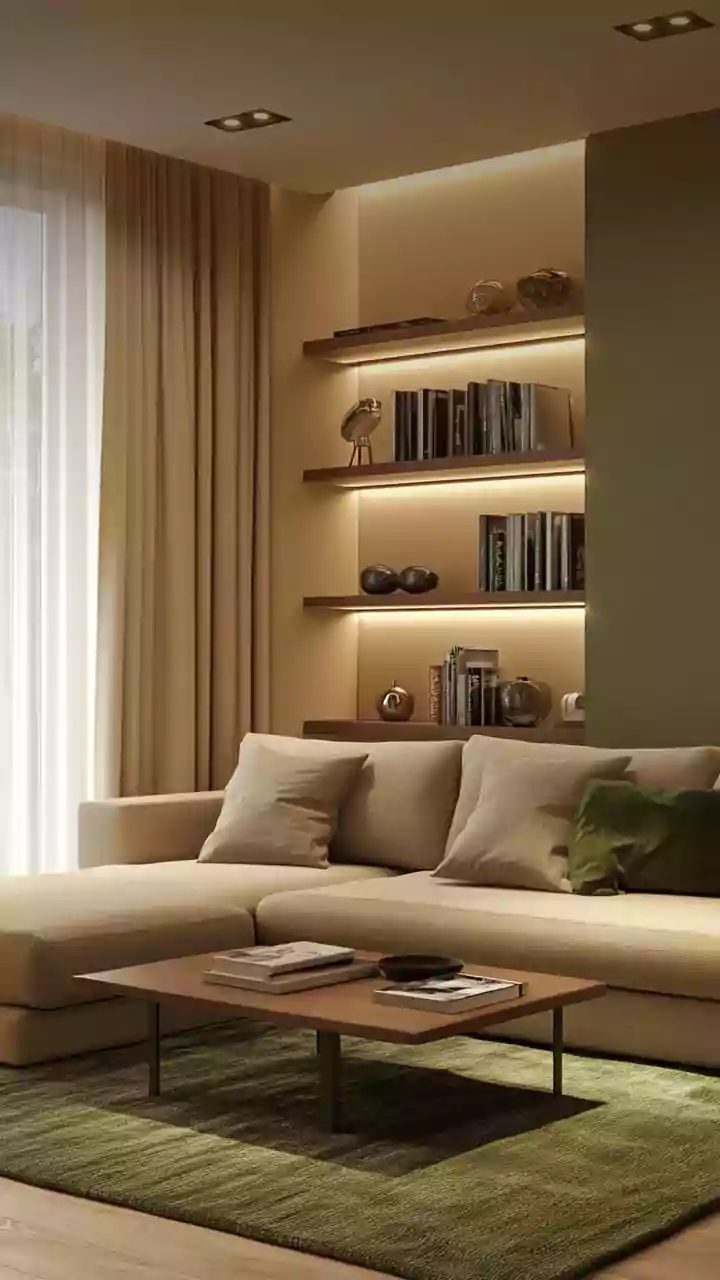
A flexible layout doesn't mean your living room has to feel like a chaotic, single open space. The key is ‘zoning’—creating distinct functional areas without building walls. This can be achieved simply and effectively. Use a large rug to anchor your primary seating area, visually separating it from a walkway or a small study corner. An elegant screen or a tall, open bookshelf can create a semi-private workspace. Even lighting can be used to define zones; a focused floor lamp can create an intimate reading nook, while smart overhead lights can set the mood for the entire room. This approach allows for multiple activities to happen simultaneously without getting in each other's way.
Choose Furniture That Does Double Duty
Beyond modularity, multi-functional furniture is a cornerstone of adaptable design. In India, where homes need to accommodate everything from daily life to festive gatherings, pieces that serve more than one purpose are invaluable. Think of ottomans that open up to provide hidden storage, coffee tables that lift to become workstations or dining surfaces, and nesting side tables that can be spread out when guests arrive and tucked away neatly after. Even a classic diwan or a modern sofa-bed adds a layer of flexibility, instantly creating guest-ready sleeping quarters. Look for furniture that is lightweight or on castors, making it easy to move around and change the layout on a whim.