
The Foundation: Your Backpack and Waterproofing
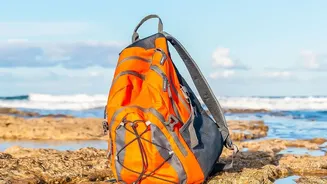
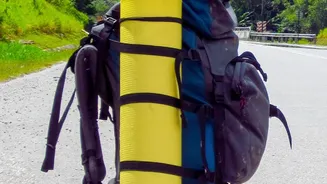
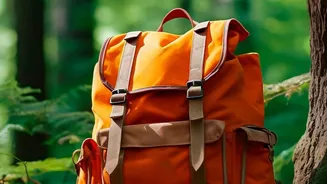
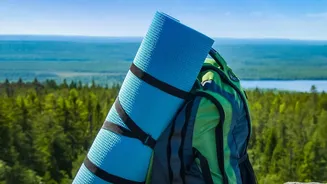
Your journey starts with choosing the right backpack and ensuring its contents stay dry. Most backpacks are water-resistant, not fully waterproof, meaning seams and zips can let water in during sustained rain. The first line of defence is a high-quality
rain cover that fits your pack snugly. However, for true peace of mind, experienced trekkers use a double-protection system. This involves lining the inside of your rucksack with a large, sturdy plastic bag or a dedicated waterproof pack liner before you start packing. Then, organise items like clothes, electronics, and documents into smaller dry bags or sealed zip-lock bags for an extra layer of security. This compartmentalisation not only keeps things dry but also makes them easier to find.
Clothing: Think Quick-Dry and Layered
When it comes to monsoon trekking, your choice of fabric is critical. Cotton is a poor choice as it absorbs moisture, becomes heavy, and takes a very long time to dry, which can leave you feeling cold and uncomfortable. Instead, opt for lightweight, quick-drying clothes made from synthetic fabrics like polyester or nylon. Dressing in layers is the best strategy to manage fluctuating temperatures and exertion levels. A typical setup includes a moisture-wicking base layer, one or two quick-dry t-shirts, a fleece jacket for warmth during cool evenings, and a reliable waterproof outer jacket or a poncho to shield you from downpours. A poncho can be a great option as it often covers both you and your backpack.
Footwear: Your Most Important Gear
If there's one item you shouldn't compromise on, it's your footwear. Monsoon trails are notoriously slippery, muddy, and uneven. Standard sports shoes lack the necessary grip and support. Invest in a pair of waterproof trekking shoes with deep grooves for excellent traction and good ankle support to prevent twists. Just as important as the shoes are your socks. Wet feet can lead to blisters and ruin a trek. Avoid cotton socks and pack multiple pairs of synthetic or wool-blend socks that wick moisture. Changing into a pair of dry socks after a long day on the trail is a simple but significant morale booster.
Safety and Essentials: First Aid and Navigation
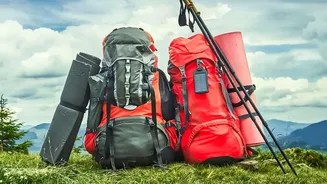
A well-stocked first-aid kit is non-negotiable for any outdoor trip, especially in the monsoon. Your kit should include basics like antiseptic wipes, bandages, blister plasters, pain relievers, and any personal medications. For monsoon conditions, add insect repellent, anti-fungal powder, and perhaps a leech-remover or salt. Beyond first-aid, other essentials are crucial. A headlamp or torch is vital, as weather can cause visibility to drop unexpectedly. A power bank ensures your phone and navigation devices stay charged. Trekking poles can provide much-needed stability on slippery descents.
Fueling Your Adventure: Snacks and Hydration
Trekking in the rain and humidity is demanding on your body, making proper hydration and energy intake essential. Carry at least two litres of water and a portable filter or purification tablets, as natural water sources may not be safe to drink directly. Pack high-energy snacks that are easy to eat on the move. Items like nuts, dried fruits, energy bars, and chocolate provide a quick and effective fuel source to keep your energy levels up throughout the day. It's always a good idea to have your own stash, even if meals are provided on your trek.