







What Is Your Skin Barrier?
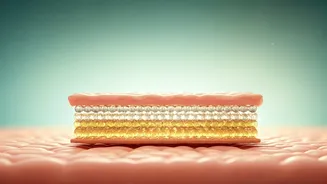
Think of your skin barrier, or stratum corneum, as a brick-and-mortar wall. The 'bricks' are your skin cells (corneocytes), and the 'mortar' is a mix of lipids like ceramides, cholesterol, and fatty acids. This wall has two crucial jobs: keeping good
things like water in, and keeping bad things like pollutants, allergens, and bacteria out. When your barrier is healthy, your skin looks plump, hydrated, and calm. When it's compromised, it can lead to dryness, sensitivity, redness, and breakouts.
The Monsoon Humidity Paradox
It seems counterintuitive, but the high humidity of monsoon season can be tough on your skin barrier. Your skin feels constantly damp, which often triggers two responses. First, the sweat and moisture can mix with oils on your skin, creating a perfect breeding ground for acne-causing bacteria. Second, this constant dampness can actually disrupt the lipid mortar of your skin barrier, a condition sometimes called 'skin maceration'. It weakens the barrier's ability to hold onto its own moisture, leading to a strange state of being oily on the surface but dehydrated underneath. This is why you might experience more breakouts and a 'greasy but tight' feeling during these months.
Rule 1: Cleanse Gently but Thoroughly
With the extra sweat and oil, the temptation is to use harsh, stripping cleansers that make your skin feel squeaky clean. This is a mistake. Over-cleansing will only further damage your skin barrier, sending a signal to your skin to produce even more oil to compensate. Instead, opt for a gentle, pH-balanced cleanser. A gel or light foaming cleanser works well to remove grime without stripping essential lipids. If you wear makeup or sunscreen, consider a double cleanse at night: start with an oil-based cleanser to break down products, then follow with your gentle gel cleanser.
Rule 2: Embrace Lightweight Hydration
This is not the season for thick, heavy creams. Your skin doesn't need heavy occlusives when the air is already saturated with moisture. However, it still needs hydration (water) to stay balanced. Look for products with humectants, which draw moisture from the humid air into your skin. Key ingredients include hyaluronic acid, glycerin, and panthenol (Vitamin B5). Apply these on damp skin in the form of a light serum or gel-based moisturiser. This gives your skin the water it needs without adding a greasy, heavy layer on top.
Rule 3: Repair and Protect the Barrier
Since the humidity can weaken the 'mortar' of your skin barrier, it's wise to use ingredients that help repair it. Niacinamide is a superstar ingredient for this. It helps your skin produce more of its own ceramides, strengthening the barrier from within. It also helps regulate oil production and has anti-inflammatory properties, making it perfect for monsoon skin concerns. Look for serums with 5-10% niacinamide. Other barrier-supporting ingredients like ceramides and peptides are also excellent additions, often found in lightweight lotions or essences.
What to Dial Down for Now
Your skin is already under stress from the environmental changes, so it's a good time to be gentle. Consider reducing the frequency of strong active ingredients like potent retinoids or high-concentration exfoliating acids (AHA/BHA). If you use them, perhaps switch to every other day instead of daily. Avoid physical scrubs with harsh particles, as they can create micro-tears in a an already weakened barrier. The goal is to support your skin, not attack it. And never, ever skip sunscreen. The clouds may be out, but UVA/UVB rays are still present and can cause further damage.