






Why Fibre Variety Is Key
Dietary fibre is a plant-based carbohydrate essential for good health. There are two main types: soluble fibre, which helps manage blood sugar and cholesterol, and insoluble fibre, which aids digestion and prevents constipation. Many people know fibre is good for them,
but few realise that getting it from different sources is crucial. Different types of fibre feed different beneficial gut bacteria, contributing to a robust gut microbiome, which influences everything from immunity to mood. Experts recommend that adults consume around 25-30 grams of fibre daily, a target that can be challenging to meet. This is where the inherent structure of the Indian thali shines.
The Foundation: Whole Grains
At the heart of most thalis lies a grain component, be it rice or roti. Opting for whole grains over refined versions is the first and most impactful step towards a high-fibre meal. Whole wheat atta for rotis, for example, contains significantly more fibre than naan made from maida (refined flour). Similarly, choosing brown or red rice instead of polished white rice boosts fibre content. Millets like jowar, bajra, and ragi are traditional powerhouses of nutrition, offering not just fibre but also a range of minerals. A bajra roti or a serving of foxtail millet khichdi can drastically increase the fibre count of your meal.
The Pulse of the Meal: Dals and Legumes
No thali is complete without at least one katori of dal or a legume-based dish. Lentils and legumes are champions of both protein and fibre. A single serving of dal, sambar, chana masala, or rajma adds a substantial amount of both soluble and insoluble fibre to your plate. This combination not only supports digestive health but also increases satiety, making you feel fuller for longer and helping manage weight. The synergy between the protein from dal and the carbohydrates from rice is a well-known nutritional pairing that provides sustained energy.
The Colourful Core: Seasonal Vegetables
The array of vegetable preparations, or sabzis, is where a thali truly showcases variety. Including one or two seasonal vegetable dishes is a simple way to add diverse fibres. Vegetables like bhindi (okra), green peas, carrots, cabbage, and leafy greens are all excellent sources. The way vegetables are cooked matters, but consistency is more important; a regularly eaten cooked sabzi is more beneficial than a raw salad you might skip. These vegetables also provide essential vitamins and minerals, making the meal more nutritionally dense.
The Finishing Touches: Salads, Raitas, and Chutneys
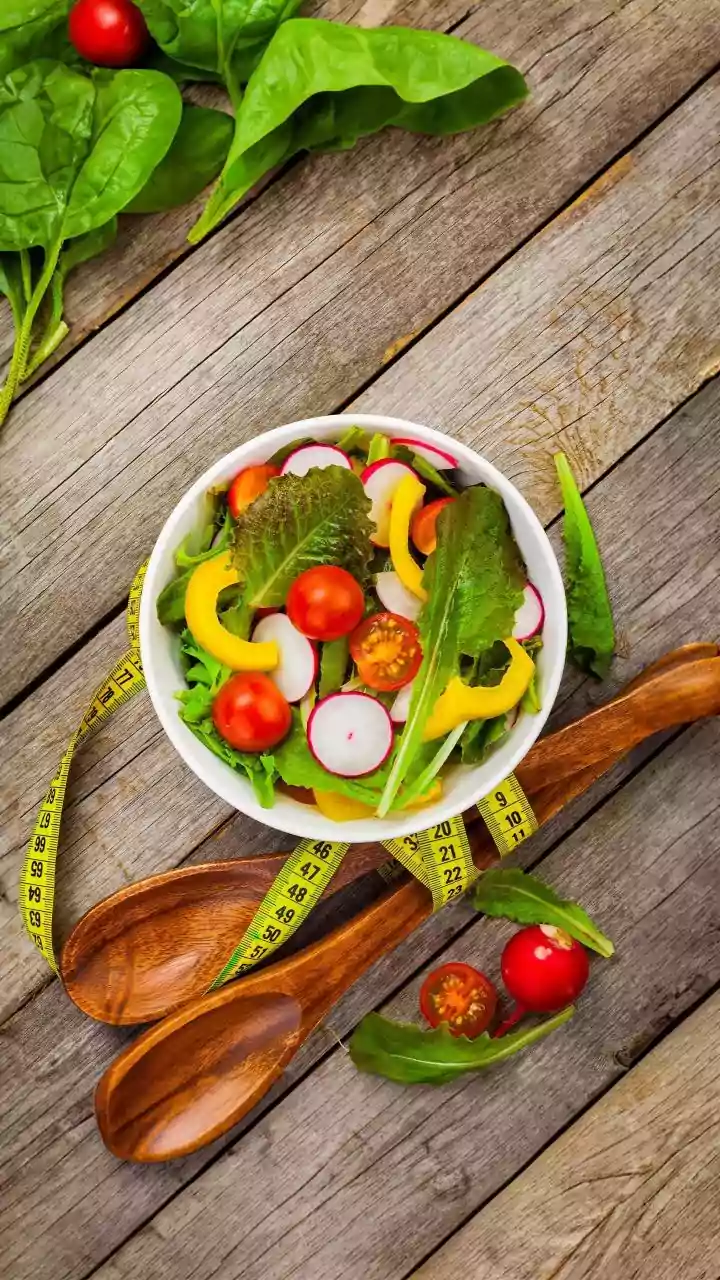
Often overlooked, the small accompaniments on a thali play a vital role. A simple kachumber (chopped salad of onion, tomato, and cucumber) adds raw fibre and freshness. Yoghurt, in the form of raita mixed with vegetables like cucumber or bottlegourd, provides probiotics for gut health along with extra fibre. Even chutneys and pickles, used sparingly, can be based on fruits, herbs, and vegetables, contributing to the overall diversity of plant sources in the meal. According to Ayurveda, a balanced thali incorporates six tastes, and these condiments help achieve that, making the meal more satisfying.