







The Monsoon’s Alluring Challenge
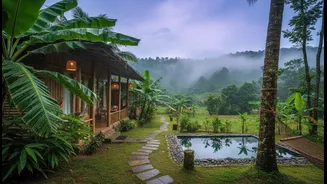
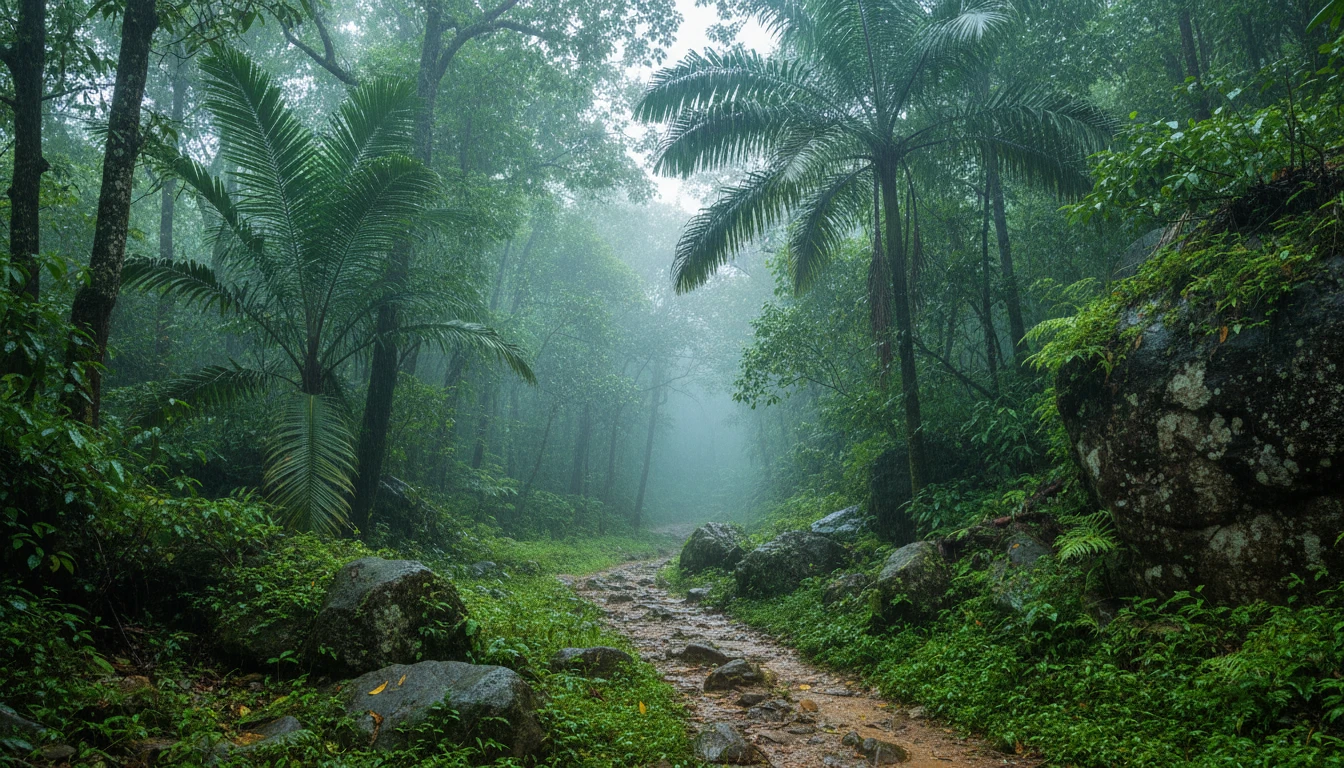
The period between June and September transforms the Western Ghats into a lush, vibrant paradise. Waterfalls like Abbey Falls and Iruppu Falls, which are modest trickles in the summer, become thunderous cascades. The landscape, from Coorg to Munnar, is painted
in a thousand shades of green, and the air is fresh and cool. This is why so many travellers are drawn to the region during the rainy season. However, this same season presents significant challenges. Heavy downpours can lead to sudden landslides, road closures, and flash floods. Popular trekking trails may be closed for safety, and thick fog can obscure those panoramic views you travelled miles to see.
Why Your Perfect Plan Might Fail
Imagine this: you've planned a day of trekking to a famous viewpoint, followed by a visit to a remote waterfall. But you wake up to a torrential downpour. The local authorities have issued a warning, and the road to the trailhead is blocked by a minor landslide. Your meticulously planned day is now washed out. This is a common scenario for those who travel to the Ghats with a packed, minute-by-minute schedule. A rigid itinerary is fragile; it treats the weather as a certainty rather than a variable. It doesn't account for a sudden road closure on the Charmadi Ghat or for the fact that the viewpoint at Raja's Seat might be completely enveloped in mist. This approach often leads to disappointment and stress, turning a holiday into a series of logistical frustrations.
Building a Flexible Travel Framework
The solution isn't to stop planning, but to plan differently. Instead of a rigid schedule, build a flexible framework. Start by choosing a base in a town like Madikeri, Kalpetta, or Mahabaleshwar and staying there for a few nights instead of hotel-hopping. For each day, identify one 'must-do' activity, preferably for the morning when your energy is high and rains are often lighter. Then, create a list of secondary, low-stakes options. These could be indoor activities or outdoor spots that are close to your accommodation. This way, if your primary plan gets rained out, you can pivot easily without feeling like you've wasted a day. Booking accommodations with some flexibility and having your own transport can also provide a significant advantage, allowing you to change plans on the fly.
Your Rainy Day Toolkit
A flexible mindset needs a toolkit of alternative activities. The Western Ghats offer plenty to do when the weather turns. If a long trek is off the cards, consider a shorter nature walk through a local coffee or spice plantation. Many offer guided tours that are fascinating, rain or shine. The region is also becoming known for unique monsoon experiences like naturalist-led frog walks at night in places like Agumbe and Wayanad, or spotting fireflies in the Sahyadris. A downpour is the perfect excuse to explore a local museum, linger in a cosy cafe sipping on fresh coffee, or even take a local cooking class. Sometimes, the best plan is to simply relax in your homestay with a good book and a hot cup of chai, watching the rain transform the landscape outside your window.
Essential Packing and Preparation
Being prepared for the conditions is crucial for a comfortable trip. Pack lightweight, quick-drying clothes instead of heavy cottons and jeans, which take forever to dry in the humidity. A reliable waterproof jacket or poncho is non-negotiable. Invest in footwear with a good grip; slippery, moss-covered stones are everywhere. Waterproof bags or zip-lock pouches are essential for protecting your electronics, documents, and wallet. Before you leave and each morning of your trip, check the local weather forecast and any advisories from district authorities. Roads that were open in the morning can close by the afternoon. A quick call to your hotel or homestay for an update on local conditions is always a wise move.