



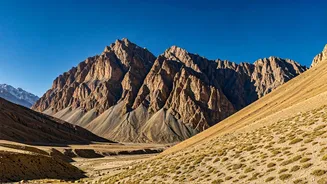


The Rain Shadow Secret
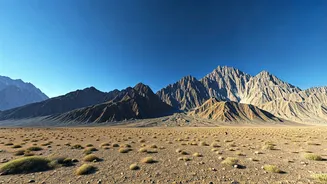
Spiti's magic trick during the monsoon is a simple matter of geography. Known as a cold desert, the valley is located in a rain shadow, meaning the towering Himalayan ranges block most of the moisture-laden monsoon clouds. While areas like Manali and
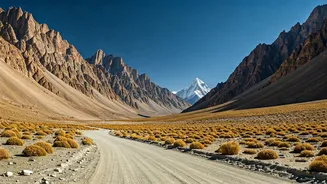
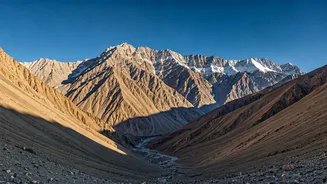
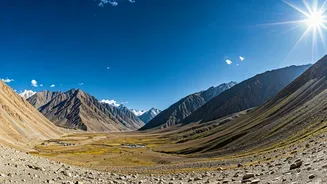
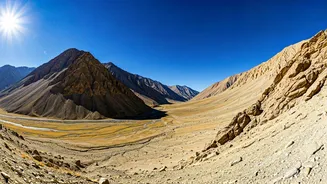
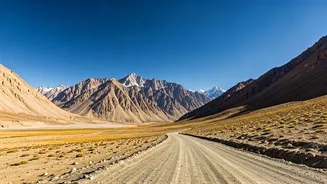
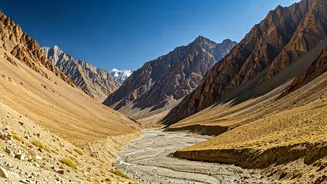
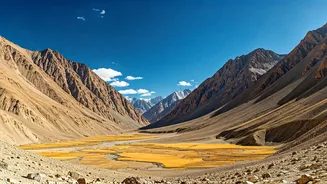
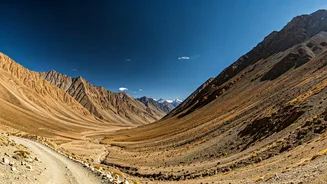
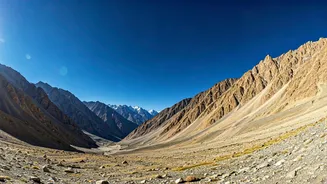
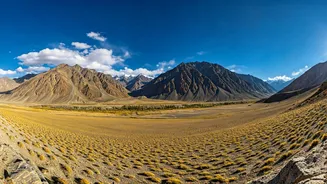
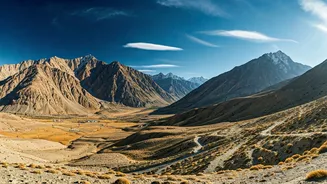
Shimla receive heavy rainfall, Spiti gets very little, with an average annual rainfall of just around 170 mm. This results in bright, sunny days with clear blue skies, making it an ideal destination for trekking and sightseeing when other Himalayan regions are inaccessible. The landscape, a stark and beautiful mix of barren mountains and occasional green patches, offers a unique visual treat.
What to See and Do
With the weather on your side, a monsoon trip to Spiti opens up a world of exploration. The valley is dotted with ancient Buddhist monasteries that seem to cling to cliffsides. Key Monastery, the largest in Spiti, is an iconic sight. Tabo Monastery, known for its ancient murals, offers a deep dive into Tibetan Buddhist culture. You can also explore the high-altitude villages of Komic, Hikkim (home to the world's highest post office), and Langza, famous for its large Buddha statue and prehistoric fossils. For breathtaking natural beauty, a visit to the crescent-shaped Chandratal Lake is a must, though its accessibility depends on road conditions from Kunzum Pass.
The Journey: Routes and Realities
Getting to Spiti is an adventure in itself, and here's the crucial catch: while the valley is dry, the roads leading to it are not immune to the monsoon. There are two main routes. The first is from Shimla via Kinnaur. This route is generally considered safer during monsoon as it avoids the highest passes, though some stretches can still be prone to landslides. The second, more dramatic route is from Manali via the Atal Tunnel and Kunzum Pass. This path is shorter but riskier, with several water crossings and slushy sections, particularly between Gramphu and Batal. These water crossings tend to swell as the day progresses due to snowmelt, so an early start is crucial. A high-clearance 4x4 vehicle is highly recommended for the Manali route.
Planning and Preparation
A monsoon trip to Spiti requires careful planning. Given the unpredictability of the access roads, it's wise to build a few buffer days into your itinerary to account for potential delays from landslides or roadblocks. Acclimatization is key, as you'll be at an average altitude of over 12,000 feet. The route from Shimla allows for a more gradual ascent, reducing the risk of altitude sickness. Pack layers of warm clothing, as temperatures can drop significantly, especially at night. Strong sun protection, including sunscreen and sunglasses, is essential due to the high altitude and clear skies. Also, carry sufficient cash, as ATMs are scarce and often unreliable in the valley.