




The New Passenger Rights Checklist
In early 2026, the Directorate General of Civil Aviation (DGCA) issued several directives aimed at improving transparency and passenger comfort. Think of it as an updated checklist of what airlines are now required to do. Key among these is the mandate
that airlines must offer a minimum of 60% of seats on any flight free of charge, tackling the common grievance of paying extra for a standard seat. Furthermore, airlines must now make every effort to seat passengers travelling under the same PNR together, a significant relief for families and groups. The new rules also demand that airlines clearly publish their policies for carrying items like sports equipment and musical instruments, and more strictly adhere to the existing passenger rights framework during delays and cancellations.
Your Core Rights: A Refresher
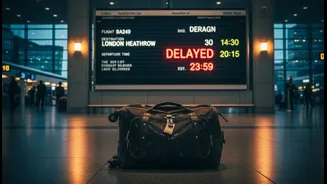
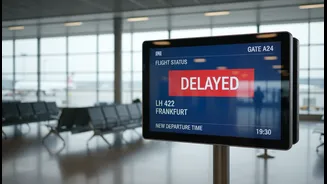
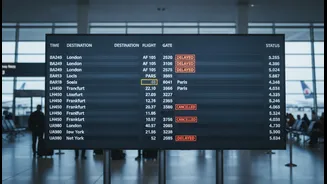
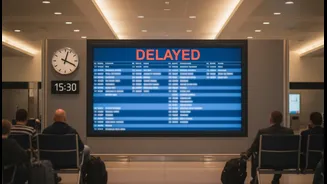
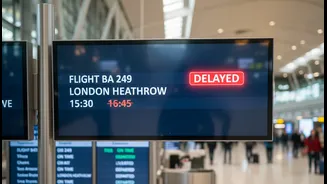
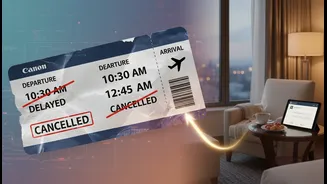
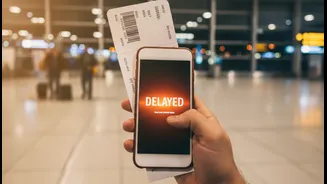
Before diving into the grey areas, it’s crucial to know the basic protections you already have under the DGCA’s Passenger Charter. If your flight is cancelled with less than two weeks' notice, the airline must offer you a choice: a full refund or an alternative flight. If the cancellation is announced less than 24 hours before departure, you are also entitled to monetary compensation, which can range from ₹5,000 to ₹10,000 depending on the flight duration. For delays, your rights are focused on care rather than cash. Airlines must provide free meals and refreshments for delays over two hours. If a delay stretches overnight, they are obligated to provide hotel accommodation and transport. For very long delays, you have the right to a full refund or rebooking.
The 'Extraordinary Circumstances' Loophole
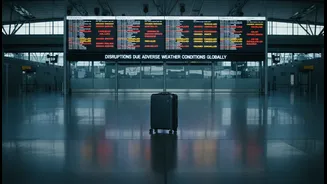
Here is where things get complicated. Airlines are exempt from paying monetary compensation for disruptions caused by 'extraordinary circumstances' beyond their control. This typically includes bad weather, air traffic control congestion, and security risks. However, this is a significant point of confusion and a major question mark over passenger protection. While airlines don't have to pay you cash in these situations, they are not completely off the hook. They are still required to offer you a full refund or book you on an alternative flight. They must also provide care, such as meals during the wait and hotel stays for overnight delays. The ambiguity often lies in what qualifies as 'extraordinary', and passengers frequently find themselves in disputes over whether a delay was truly unavoidable.
The Question of Enforcement
A rule is only as strong as its enforcement, and this remains the biggest question looming over Indian aviation. In a significant development in July 2026, the Supreme Court directed the central government to submit the new rules being framed under the Bharatiya Vayuyan Adhiniyam, 2024. This move was prompted by a petition raising concerns about unpredictable airfares, hidden ancillary charges, and inadequate passenger protection. The court's intervention underscores a widespread feeling that airlines are not always held accountable. The petition specifically challenged practices like reducing free check-in baggage allowances, which converts a previously included service into a new revenue stream. This raises a critical question: even with a clear checklist of rights, is there a robust enough authority to ensure airlines consistently follow them?
How to Protect Yourself and Claim Your Rights
Given the complexities, being a proactive and informed passenger is your best strategy. First, if your flight is disrupted, try to get the reason for the delay or cancellation in writing from the airline staff. This is crucial for any subsequent claim. Second, know what you are asking for—be clear whether you are demanding a refund, rebooking, care during a delay, or monetary compensation for a short-notice cancellation. Airlines cannot force you to accept a travel voucher if you are entitled to a cash refund. For all grievances, the first step is the airline’s customer service. If you are not satisfied, escalate the matter through the official AirSewa portal (airsewa.gov.in), which is the government's dedicated platform for aviation-related complaints. Recent DGCA rules also mandate faster refund processing—within 7 working days for card payments and 14 for those made via travel agents.