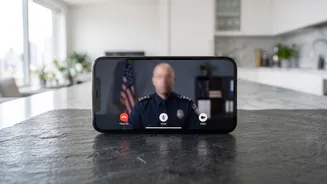










Imagine receiving a video call from someone in a police uniform, accusing you of a serious crime. This is the reality of 'digital arrest' scams, a rapidly growing form of cyber fraud creating panic and causing devastating financial losses.
What is a 'Digital Arrest'?
A 'digital arrest'
is a sophisticated scam, not a real legal procedure. There is no provision under Indian law for police or any other agency to arrest someone over a phone or video call. Fraudsters impersonate officials from law enforcement agencies like the police, CBI, or Enforcement Directorate. They use video calling platforms like Skype or WhatsApp to create a false sense of authority, often using uniforms and fake official backgrounds to appear legitimate. The goal is to intimidate victims into believing they are under investigation for a crime, such as money laundering or drug trafficking, and then extort money from them.
The Anatomy of the Scam
The scam unfolds in carefully planned stages. It begins with an unexpected call, often with a pre-recorded message, claiming a parcel in your name contains illegal items or that your Aadhaar number has been linked to a crime. The call is then 'transferred' to a senior 'officer' who initiates a video call. They present fake documents like FIRs or arrest warrants and accuse you of serious offences. The core of the scam is isolation. Victims are told they are under 'digital arrest' and forced to remain on the video call for hours, sometimes even days, and are forbidden from speaking to anyone. This intense psychological pressure is designed to break down resistance and create a state of panic.
The Fear Factor: Why It Works
These scams exploit a fundamental fear of law enforcement and a desire to avoid public shame. Scammers create immense urgency, threatening immediate arrest or the freezing of bank accounts. By isolating the victim, they prevent them from seeking advice from family or friends who might recognise the fraud. The performance is highly convincing, using official-sounding jargon, spoofed phone numbers that appear legitimate, and fake but realistic-looking documents. Trapped in this high-pressure virtual environment, victims are coerced into transferring large sums of money to 'safe' or 'RBI-monitored' accounts for 'verification,' with the false promise that the money will be returned once they are cleared.
Why Are These Scams Escalating?
Several factors contribute to the rise of this cybercrime. The increasing digitization of daily life means more personal data is available online, which scammers can use to make their claims sound more credible. The technology itself has become more accessible, allowing criminals to easily spoof numbers and create convincing fake video backgrounds. Furthermore, these are not isolated acts but often large, organised criminal enterprises, with call centres operating from outside India, making them harder to trace and prosecute. The sheer volume of these attacks has overwhelmed many, with official data showing tens of thousands of complaints and financial losses running into hundreds of crores annually.
Red Flags and How to Protect Yourself
The most important thing to remember is that no legitimate Indian authority will ever conduct an investigation or demand payment over a video call. Key red flags include any threats of immediate arrest over the phone, demands for money transfers for 'verification' or 'bail', and instructions to remain on a video call and keep the matter secret. If you receive such a call, the best course of action is to hang up immediately. Do not engage, argue, or share any personal or financial information. Afterward, take a moment to calm down and then independently verify the claim by contacting your local police station using an official number, not one provided by the caller.
What to Do If You're Targeted
If you suspect you have been targeted or have fallen victim to this scam, it is crucial to act quickly. Immediately report the incident to the National Cyber Crime Reporting Portal at cybercrime.gov.in or by calling the helpline number 1930. If you have already transferred money, notify your bank without delay to try and freeze the transaction. Preserve all evidence, including the phone numbers used, screenshots of the video call and any messages or fake documents sent by the scammers. Informing your family and friends is also vital; scammers rely on secrecy, and sharing your experience can break their power and help protect others.