


The Problem with Overcrowding
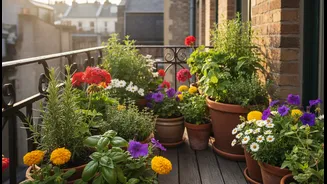
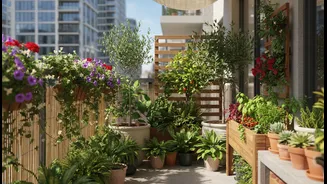
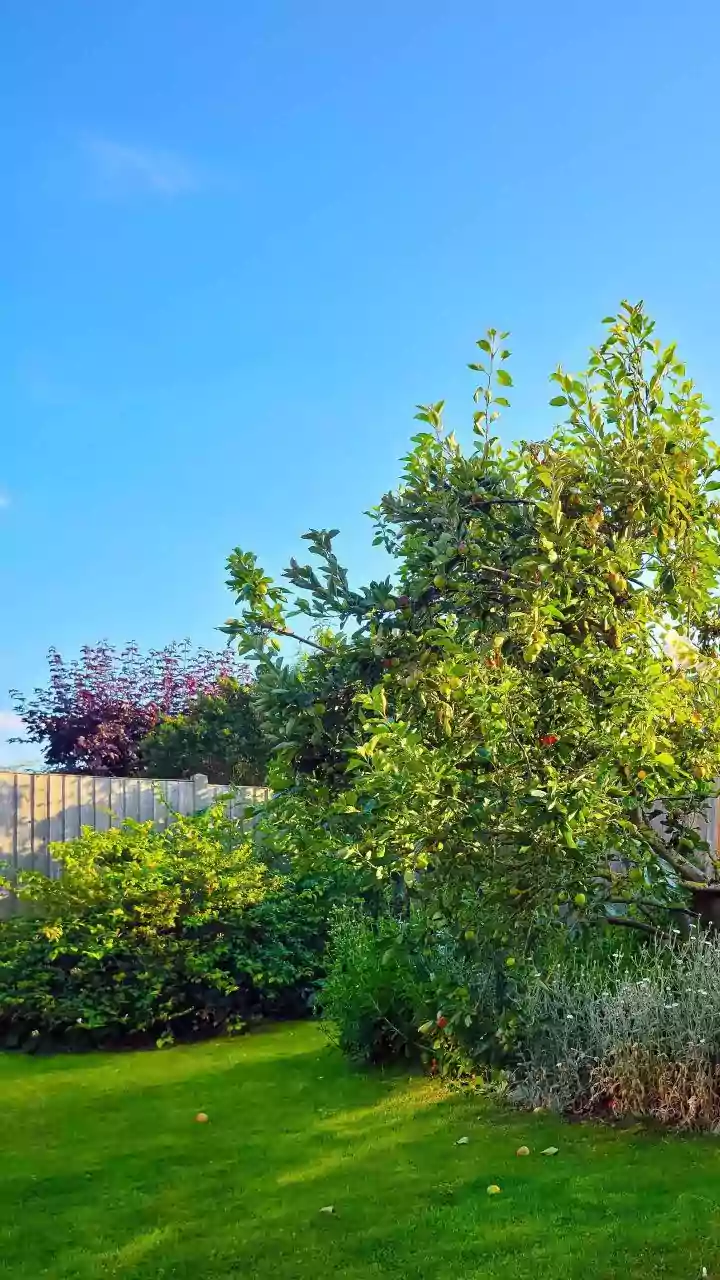
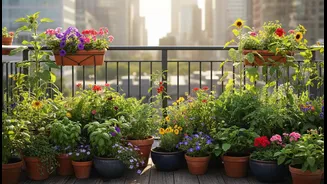
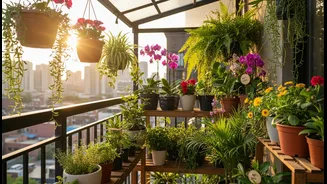
When faced with a small balcony, patio, or yard, the instinct is often to fill every inch with green. This desire for instant impact leads many to buy more plants than the space can sustain. The result, however, is rarely the lush paradise envisioned.
Instead, overcrowding creates a stressful environment where plants must compete for essential resources like sunlight, water, and soil nutrients. This intense competition can lead to weak, lackluster growth. Furthermore, when plants are packed too tightly, air circulation is poor, creating a humid microclimate that can encourage the development of pests and diseases. A cluttered space is also harder to care for, making it difficult to water, prune, and inspect individual plants for problems.
Curate, Don't Collect: Choosing the Right Plants
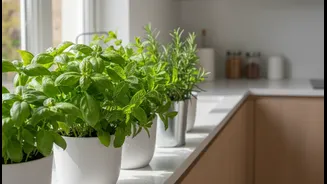
The first step in applying the “less is more” philosophy is careful plant selection. Every plant in a small garden must earn its place. Instead of grabbing a dozen different plants, choose a few high-impact varieties that are well-suited to your specific conditions. First, assess your light: does your balcony get more than six hours of direct sun, or is it mostly in shade? Sun-loving herbs, tomatoes, and petunias thrive in bright spots, while ferns, hostas, and impatiens are perfect for shadier corners. Consider dwarf or compact varieties specifically bred for containers, such as dwarf citrus trees, shrub roses, or determinate tomatoes. And don't forget to think vertically. Using trellises for climbing plants like peas or vining flowers can maximize your growing area without taking up valuable floor space.
The 'Better Care' Blueprint
With fewer plants to manage, you can dedicate more time and resources to providing exceptional care. This is where your garden will truly begin to flourish. Start with the foundation: the soil. Never use heavy garden soil in pots; instead, choose a lightweight, high-quality potting mix designed for containers, as it provides the right balance of aeration and moisture retention. Proper watering is crucial. Container plants dry out faster than those in the ground, so check the soil daily. A good rule is to water deeply whenever the top inch of soil feels dry. Because nutrients wash out of pots with each watering, regular feeding is essential. Use a fertilizer formulated for container plants every few weeks during the growing season to keep your plants healthy and robust.
Designing for Impact with Less
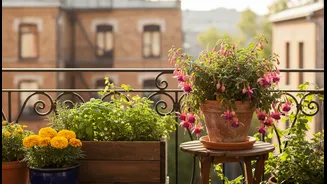
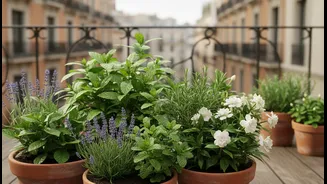
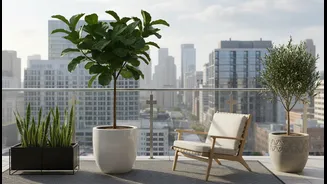
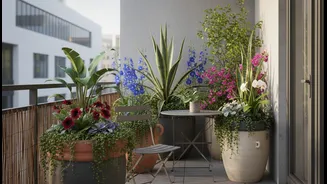
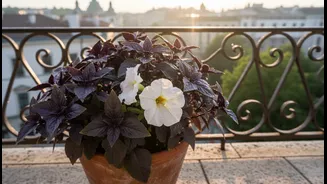
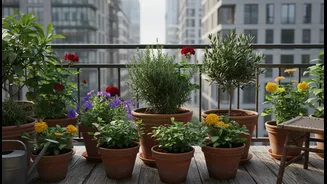
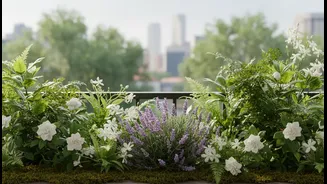
A thoughtfully designed space with fewer plants can look more intentional and lush than a chaotic, overstuffed one. Create a sense of harmony by limiting your color palette to two or three complementary flower colors. Play with texture and form by combining plants with different leaf shapes and growth habits—for example, pairing a spiky grass with a soft, broadleaf fern. Grouping containers of varying sizes and heights creates visual interest and makes a collection of pots look like a single, cohesive display. Using a few large, statement containers instead of many small ones can also make a space feel bigger and more unified. By focusing on quality over quantity, you create a garden that is not only healthier but also more aesthetically pleasing.