


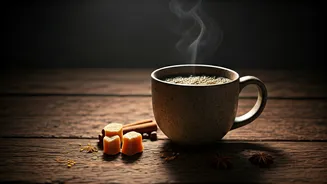



What Exactly Is Liquid Palm Jaggery?
Palm jaggery is an unrefined natural sweetener made from the sap of palm trees like the palmyra, date, or coconut palm. [1, 3] To create the liquid form, the collected sap is boiled to thicken it into a viscous, golden-brown syrup. [11] Unlike highly
refined white sugar, which is stripped of all nutrients, this minimal processing allows liquid palm jaggery to retain some of the minerals and vitamins found in the original palm sap. [2, 9] This traditional sweetener, a staple in many parts of Asia and Africa, is gaining popularity worldwide as people seek out less processed food options. [11, 23]
The Health Question: Is It Really Better For You?
Nutritionally, palm jaggery has an edge over white sugar. It contains trace minerals like iron, potassium, magnesium, and calcium, which are absent in refined sugar. [2, 4] Some studies note it is a particularly good source of iron. [1, 6] Another significant factor is its glycemic index (GI), which measures how quickly a food raises blood sugar. Palm jaggery has a lower GI, typically around 35-45, compared to white sugar's GI of about 65. [2, 7, 9] This means it causes a slower, more gradual rise in blood sugar, which can help in managing energy levels and reducing cravings. [2] It also contains antioxidants not found in sugar. [3] However, it's crucial to remember that palm jaggery is still a form of sugar. It contains roughly the same number of calories as regular sugar, and overconsumption can lead to weight gain and other health issues associated with high sugar intake. [1, 17]
The All-Important Taste Test in Coffee
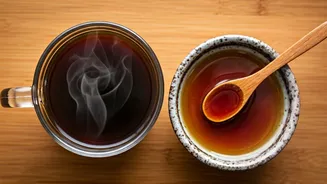
Swapping your usual sweetener will undoubtedly change the taste of your coffee. While white sugar provides a straightforward sweetness, liquid palm jaggery offers a more complex flavour profile. Many describe its taste as a rich, deep caramel or toffee-like sweetness with earthy undertones. [3, 23] This can complement the natural notes in coffee, reducing bitterness and adding a new dimension to your brew. [20] Some traditional South Indian coffee preparations, like 'Karupatti Kaapi', are built around this unique flavour pairing. [12, 14] For those who enjoy black coffee, palm jaggery can make the taste smoother and more balanced without the need for milk. [14]
How to Use It in Your Daily Cup
Using liquid palm jaggery is simple, but there are a few tips to get it right. Since it’s a liquid, it dissolves easily in hot coffee. [20] A good starting point is to use it in a 1:1 ratio as you would sugar syrup, then adjust to your preference. One important note involves adding it to milk-based coffee. If you add the jaggery syrup to boiling hot milk, it can sometimes cause the milk to curdle. [12, 19] To avoid this, it's best to let the milk cool slightly before stirring in the jaggery, or mix the jaggery with the coffee decoction first before adding warm milk. [14, 19] You can also make a black coffee with jaggery and then top it up with frothed milk.
The Fine Print: Cost, Calories, and Considerations
While palm jaggery offers nutritional and flavour benefits, there are practical points to consider. It is generally more expensive than regular white sugar and may be less readily available in all stores. When buying, it's important to choose a reputable, organic brand to avoid impurities that can sometimes be found in unrefined products made under unhygienic conditions. [1, 17] And to reiterate the most important point: moderation is key. Palm jaggery is a source of calories and carbohydrates, and while it's a better choice, it is not a 'free pass' to consume unlimited amounts. [1, 15] Think of it as an upgrade, not a health food that can be eaten without limits. [11]