


Why A Regional Calendar Matters
In a country as diverse as India, a single national produce calendar is a myth. What's in season in the North during winter is vastly different from the bounty in the South. A regional approach to your food calendar is about tuning into your local environment.
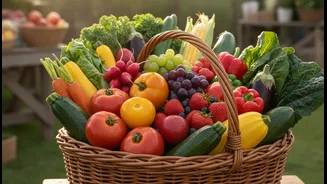
The benefits are immediate: vegetables harvested at their peak are bursting with flavour and nutrition. They are also more abundant, which naturally makes them more affordable. Eating seasonally and locally also supports local farmers and reduces the environmental cost of long-distance food transportation. It's a sustainable choice for your health, your wallet, and the planet.
Decoding India's Main Seasons
While micro-climates vary, India's agriculture is broadly shaped by three main seasons. Understanding this rhythm is the first step to building your calendar.
Summer (March - June): This is the season for hydrating, cooling vegetables. Think of a variety of gourds, cucumbers, and pumpkins that thrive in the heat.
Monsoon (July - September): As the rains arrive, the earth offers up a different kind of produce. This is the time for okra, corn, and many leafy greens that flourish in the humid conditions.
Winter (November - February): Arguably the most abundant season, winter brings a rich harvest of leafy greens, root vegetables, and cruciferous varieties. This is when markets are vibrant with spinach, carrots, peas, and cauliflower.
Summer's Bounty (March-June)
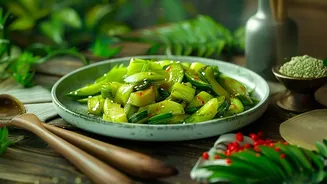
During the hot summer months, nature provides vegetables with high water content to keep us cool and hydrated. Look for bottle gourd (lauki), ridge gourd (turai), bitter gourd (karela), pumpkin (kaddu), cucumber (kheera), and brinjal (baingan) in your local market. These vegetables are light and easy to digest. They shine in simple preparations that don't require long cooking times. A quick sauté, a light stew, or adding them to raita are perfect ways to enjoy their fresh, subtle flavours.
Monsoon Harvest (July-October)
The monsoon season is perfect for vegetables that thrive in warm, humid weather. This is the peak time for okra (bhindi), corn (bhutta), cluster beans (gawar), and a variety of gourds like snake gourd. It's also a great time for leafy greens like amaranth (chaulai) and spinach, though it's always wise to wash them thoroughly. Traditional wisdom often suggests cooking with immunity-boosting spices like turmeric and ginger during this season to align with the body's needs.
Winter's Rich Offerings (November-February)
Winter is a feast for vegetable lovers. The markets are overflowing with colourful and nutrient-dense produce. This is the best time for leafy greens like spinach (palak), fenugreek (methi), and mustard greens (sarson). It's also peak season for root vegetables like carrots (gajar), radishes (mooli), and beetroots, as well as cruciferous stars like cauliflower (gobi) and cabbage. These hearty vegetables are perfect for robust, warming dishes that define winter comfort food across India.
The Ultimate Hack: Curries and Stir-Fries
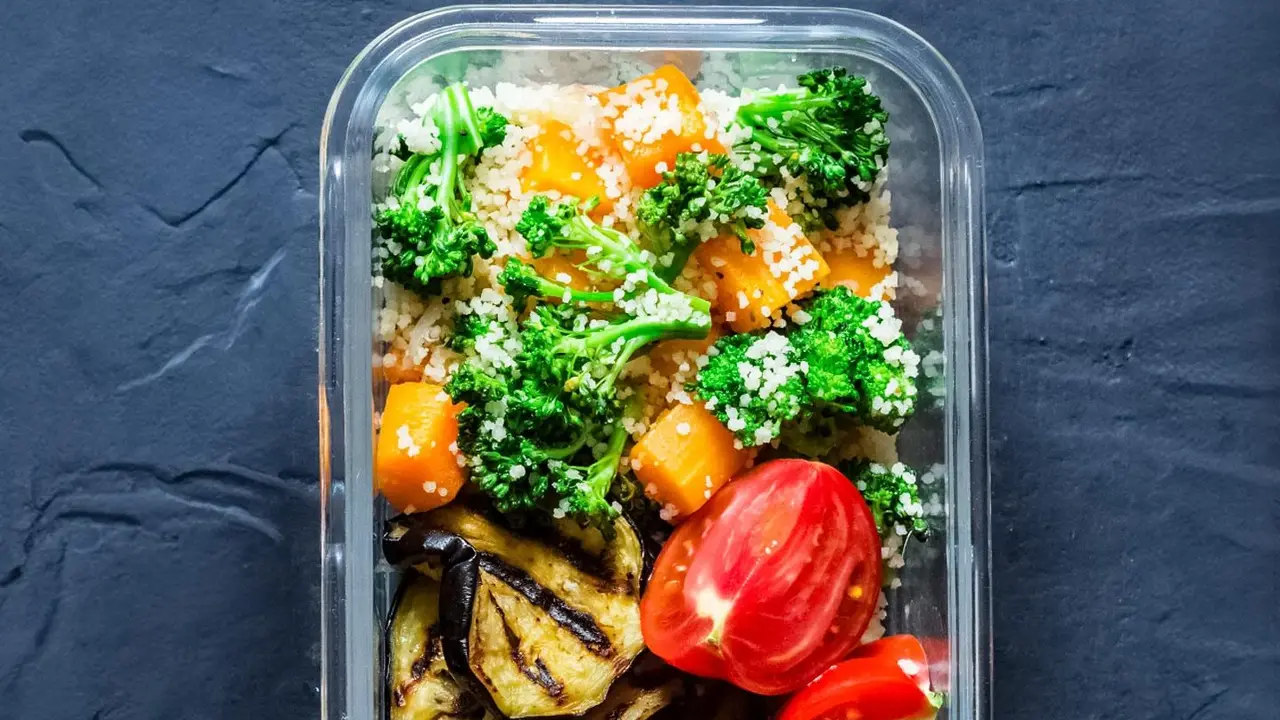
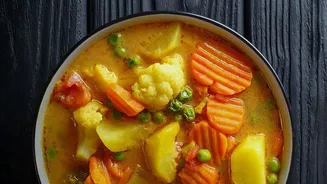
Now for the simple, creative part. Any seasonal vegetable you bring home can become a delicious meal with a basic curry or stir-fry. For a versatile curry base, start by sautéing onions, then add ginger-garlic paste, and finally, pureed tomatoes. To this, add your basic spice powders: turmeric, coriander, and red chilli powder. Cook until the oil separates, and you have a base ready for any vegetable, from winter carrots to monsoon okra.
For a quick stir-fry, heat oil in a pan, and add minced garlic and ginger. Toss in your chopped seasonal vegetables and stir-fry on high heat. A splash of soy sauce or your favourite local sauces, a pinch of black pepper, and you're done. This method works wonderfully with crisp vegetables like capsicum, cabbage, and beans.