







The Gut-Brain Superhighway Explained
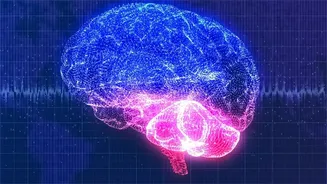
Imagine a constant, two-way conversation happening inside your body. That's the gut-brain axis. This communication network links your central nervous system (your brain and spinal cord) with your enteric nervous system (the complex network of neurons
in your gut). This connection is so profound that the gut is often called the 'second brain'. The primary channel for this chat is the vagus nerve, which transmits signals in both directions. So, when you feel 'butterflies' from excitement or a 'pit in your stomach' from anxiety, that's the gut-brain axis in action, showing how your emotions can affect your gut, and just as importantly, how your gut's condition can influence your mind.
Your Microbiome: A World of Influence
Your gut is home to trillions of microorganisms, including bacteria, viruses, and fungi, collectively known as the gut microbiome. A healthy, diverse microbiome is essential for overall well-being. These microbes do more than just help with digestion; they play a critical role in producing vitamins, regulating your immune system, and even manufacturing neurotransmitters. In fact, a significant portion of the body's serotonin, the 'feel-good' chemical crucial for mood regulation, is produced in the gut. When the balance of these microbes is disrupted—a state called dysbiosis—it can send stress signals to the brain, potentially contributing to low mood, brain fog, and difficulty focusing.
Probiotics: The Friendly Bacteria for a Better Mood
Probiotics are live, beneficial bacteria that, when consumed in adequate amounts, can help maintain a healthy gut balance. Research suggests these 'good' bacteria can positively influence mental health. Some studies have found that regular probiotic intake may help reduce symptoms of depression, anxiety, and stress. They are thought to work by supporting the production of mood-regulating neurotransmitters and reducing inflammation, which is often linked to mental health issues. While not a replacement for prescribed treatments, evidence suggests that certain strains, like those from the Lactobacillus and Bifidobacterium families, can be particularly beneficial for emotional well-being. Think of them as reinforcements for your gut's army, helping to keep things calm and balanced.
Fibre: The Fuel for a Sharper Mind
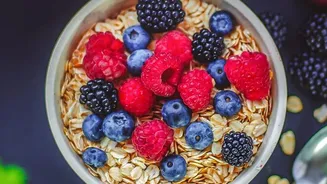
If probiotics are the workers, think of prebiotics as their food. Prebiotics are types of dietary fibre that your body can't digest but your beneficial gut bacteria thrive on. When these bacteria ferment prebiotic fibre, they produce compounds called short-chain fatty acids (SCFAs). These SCFAs, like butyrate, have powerful anti-inflammatory effects and can cross the blood-brain barrier to directly influence brain function. A diet rich in fibre is associated with better cognitive function, improved stress management, and a lower risk of depression. By fuelling the right bacteria, fibre helps create a gut environment that supports stable energy levels and mental focus.
Putting Gut Health on Your Plate
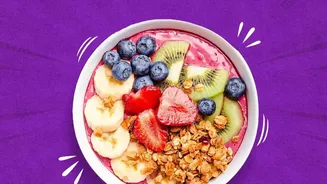
Incorporating gut-friendly foods into your diet doesn't have to be complicated. For a probiotic boost, look to fermented foods. Yoghurt (dahi) with 'live and active cultures' is a classic choice, along with kefir, a fermented milk drink. Traditional Indian foods like idli and dosa, made from fermented batter, are also excellent sources. Kimchi and pickled vegetables provide both probiotics and flavour. To increase your fibre intake, focus on whole plant foods. Oats, barley, and other whole grains are rich in prebiotic fibre. Lentils, chickpeas, and beans are fantastic sources of both fibre and protein. Don't forget fruits like apples (with the skin on), bananas, and colourful vegetables like carrots, broccoli, and leafy greens to ensure your gut microbes have a diverse and nutritious diet to feast on.