



An Adventure in Stillness
When we hear the word ‘adventure,’ our minds often conjure images of high-speed chases, steep climbs, or navigating treacherous rapids. Bamboo rafting, however, redefines the term entirely. It’s an activity that champions slowness, silence, and sensory
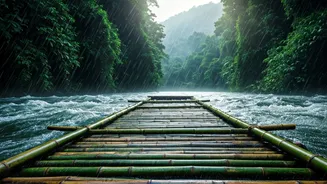
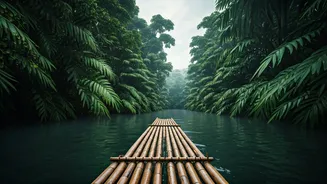
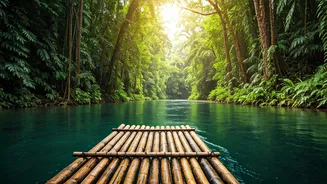
immersion. Imagine sitting on a simple, sturdy raft constructed from bamboo poles, propelled by a guide with a long pole, moving almost silently across the surface of a placid lake or a slow-moving river. There are no engines, no fumes, no loud instructions—just the gentle lapping of water against the bamboo, the distant call of a bird, and the rustle of leaves in the surrounding forest. This isn't an adventure for the adrenaline junkie; it's an adventure for the soul, offering a rare opportunity to disconnect from the chaos of modern life and reconnect with the natural world on its own terms.
The Thekkady Experience
Perhaps the most iconic destination for bamboo rafting in India is the Periyar Tiger Reserve in Thekkady, Kerala. Here, the experience is deeply intertwined with wildlife spotting. Organised by the Forest Department, the programme typically involves a full or half-day trek through dense forest followed by a few hours of rafting on the vast Periyar Lake. The lake, formed by the Mullaperiyar Dam, is dotted with the skeletal remains of submerged trees, creating a beautifully haunting landscape. As you float, your guide, often from a local tribal community with deep knowledge of the jungle, will point out the fauna. Herds of elephants coming down to the water’s edge, sambar deer grazing, families of wild boar, and an incredible diversity of birdlife—from hornbills to kingfishers—are common sights. The silence of the raft is its greatest asset, allowing you to get remarkably close to the animals without disturbing them, making for an intimate and unforgettable wildlife encounter.
Wayanad’s Island Charm
Another jewel in Kerala’s crown for this peaceful activity is Wayanad, specifically Kuruva Island (Kuruvadweep). This 950-acre protected river delta on the Kabini River is a cluster of uninhabited islands, offering a different but equally enchanting experience. The rafting here is less about spotting large mammals and more about immersing yourself in the lush, verdant ecosystem of the river itself. The rafts, managed by the local Vana Samrakshana Samithi (Forest Protection Council), navigate through narrow channels under a canopy of overarching trees and bamboo groves. The water is often clear enough to see the riverbed below, and the air is thick with the scent of damp earth and foliage. It feels like entering a secret, pristine world, far removed from civilisation. This journey is shorter and more accessible, making it a perfect introduction to the gentle joys of bamboo rafting.
Preparing for Your Float
While bamboo rafting is a low-intensity activity, a little preparation goes a long way. Dress in comfortable, earth-toned clothing (khaki, green, or brown) to blend in with the surroundings and avoid startling wildlife. A hat, sunscreen, and insect repellent are essentials. Wear sturdy footwear suitable for walking, as most programmes involve some trekking. Carry a pair of binoculars to get a closer look at distant birds and animals, and don't forget your camera, preferably with a good zoom lens. Most importantly, bring a water bottle to stay hydrated, but leave unnecessary noise behind. The guides will provide life jackets and instructions. Your role is simple: be present, stay quiet, and let the symphony of the jungle unfold around you. Respect the environment by not littering and following all instructions from your guides, who are crucial custodians of these precious ecosystems.