






The Perfect Storm for Travellers
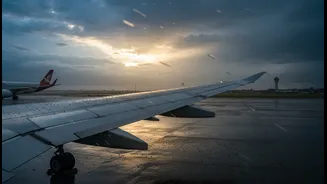
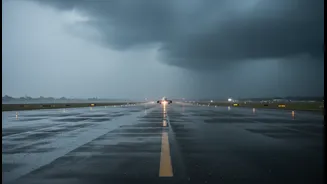
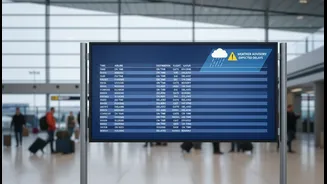
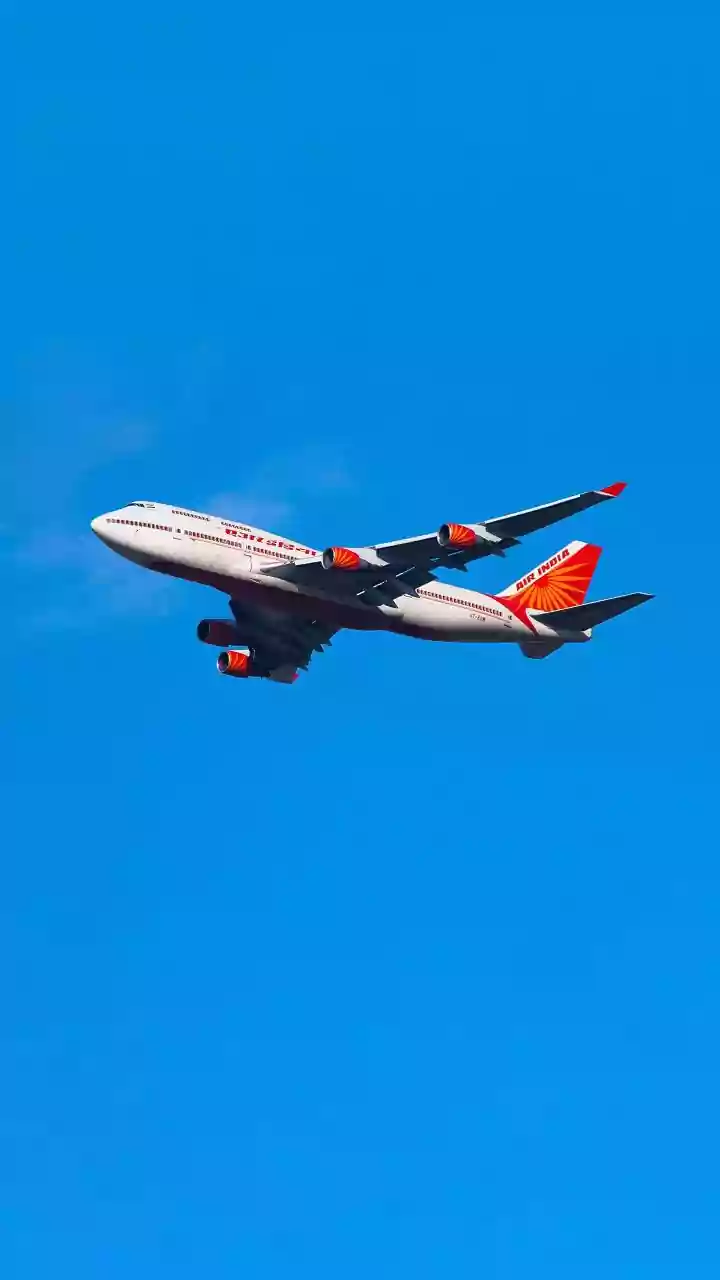
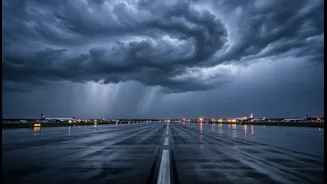
Welcome to the 'monsoon era' of Indian aviation, and it isn’t just about the rain. Over the past few days, major airports like Mumbai and Delhi have been thrown into disarray. On July 6th, Mumbai's airport saw at least 17 cancellations and over 200 delays
by midday due to relentless downpours. The previous day, operations were suspended for an hour, leading to diversions and significant delays. But while the annual monsoon is a predictable disruptor, it's now just one part of a much larger problem. The current chaos is a perfect storm of bad weather, a post-pandemic travel boom that airlines are struggling to meet, and systemic shortages of crucial staff, from pilots to air traffic controllers. This combination has created a volatile and frustrating experience for millions of flyers.
More Than Just Bad Weather
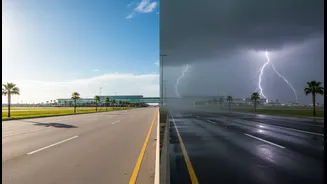
While monsoon rains and low visibility are the most visible culprits, causing immediate delays and diversions, the industry's foundations are also strained. Indian aviation is facing a significant human capital crunch. Airlines have rapidly expanded their fleets to meet soaring passenger demand, but the training of pilots, cabin crew, and ground staff hasn't kept pace. This creates a ripple effect: fewer available crews mean less flexibility to handle disruptions, leading to cancellations. Compounding this is a critical shortage of air traffic controllers (ATCs). With nearly a quarter of sanctioned ATC posts reportedly vacant, the system managing our crowded skies is under immense pressure. This operational strain means that even minor disruptions, whether from weather or technical issues, can quickly cascade into widespread delays across the network.
Your Monsoon Survival Guide
Navigating this turbulent environment requires a new strategy. While you can't control the weather or airline staffing, you can make smarter choices to minimise disruption. The single most effective tactic is to book the first flight of the morning. Thunderstorms and air traffic congestion typically build up throughout the day, so an early start avoids these cascading delays. When booking, especially during monsoon season (June to September), build a significant buffer into your schedule. Avoid tight connections; a 3-4 hour layover is much safer than the usual two. If you have an important meeting or event, plan to arrive a day early. Packing essentials like medications, a change of clothes, and a power bank in your carry-on is no longer just a suggestion—it's a necessity in case of unexpected diversions or overnight delays.
Know Your Rights When Things Go Wrong
When a delay or cancellation is unavoidable, it's crucial to know your rights as a passenger under Directorate General of Civil Aviation (DGCA) rules. If an airline cancels a flight, you are entitled to a choice: a full refund to your original payment method or re-routing on the next available flight at no extra cost. Airlines are no longer supposed to force a credit shell on you. For significant delays, airlines are obligated to provide meals and refreshments. If the delay stretches overnight, they must also provide hotel accommodation and transport. However, it's important to note that cash compensation (ranging from ₹5,000 to ₹10,000) generally does not apply if the disruption is due to 'force majeure' events like weather or air traffic control restrictions. Even in those cases, your right to a refund or rebooking remains.