





An Age-Old Battle Against Blight
Crop diseases and pest infestations are a devastating reality in Indian agriculture, responsible for wiping out significant portions of annual yields. For millions of smallholder farmers, a sudden blight or pest attack can mean the difference between
a profitable harvest and crippling debt. The challenge has always been twofold: identifying the threat correctly and knowing how to respond in time. Traditional methods often rely on guesswork or delayed advice from agricultural extension workers, by which point a disease may have already caused irreversible damage. This uncertainty leads to overuse of pesticides, increasing costs for farmers and posing environmental and health risks.
A Digital Doctor in the Field
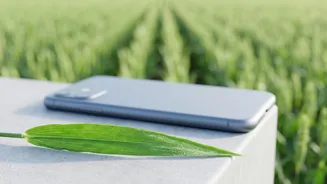
Artificial intelligence is transforming this dynamic by turning the humble smartphone into a sophisticated diagnostic tool. The concept is remarkably simple yet powerful. A farmer takes a photo of an affected plant leaf or a pest trap using a dedicated mobile app. The app’s AI, trained on vast databases of agricultural imagery, analyzes the photo in seconds. It uses advanced image recognition to identify the specific disease or pest, assess the severity of the infestation, and provide immediate, actionable advice in the local language. This advice can range from confirming that no action is needed to recommending a specific type of pesticide and the correct dosage, ensuring a targeted and effective response.
Maharashtra’s Stand Against the Pink Bollworm
In Maharashtra, this technology has been a game-changer, particularly for cotton farmers battling the destructive pink bollworm. The Wadhwani Institute for Artificial Intelligence, a non-profit research body, developed an AI-powered solution after a disastrous infestation hit the state's cotton belt. Their app, often known as CottonAce, allows farmers to photograph pests caught in pheromone traps. The AI counts the pests and provides instant guidance. This has led to remarkable results, with farmers reporting profit increases of up to 25% and a significant reduction in pesticide costs. Beyond this, the state is also rolling out MahaVISTAAR-AI, a generative AI chatbot that allows farmers to ask questions about crop management in their local dialects and receive trusted advice.
Punjab’s Push for Tech-Driven Farming
Punjab is also embracing AI to secure its agricultural future. While ground-level apps like 'Fasal Doctor' have been developed specifically to provide offline diagnosis and treatment plans for local farmers in Punjabi, the state's ambitions are growing. In late August 2026, the Punjab government has been actively exploring strategic partnerships with global technology leaders to integrate AI more broadly into its agricultural sector. These discussions aim to develop comprehensive digital platforms that offer everything from real-time pest alerts and soil health data to advanced weather forecasting, equipping the state's farmers with the information they need to make smarter, more resilient decisions.
The Tangible Benefits and Future Hurdles
The benefits of these AI tools extend beyond individual farms. By enabling more precise pesticide use, they contribute to a more sustainable agricultural ecosystem. Higher, more predictable yields strengthen food security and improve farmer livelihoods. Companies and research institutes like Plantix are also contributing, with apps that can identify hundreds of diseases across dozens of crops, creating a rich, data-driven picture of crop health across the country. However, challenges remain. Scaling these solutions requires overcoming hurdles like varied digital literacy among farmers, ensuring consistent internet connectivity in remote areas, and continuously updating the AI models to recognize regional crop varieties and new threats. Success depends on a collaborative effort between tech developers, government agencies, and farmer communities.