





1. Underestimating Health Risks
The magic of the monsoon also brings a higher risk of water-borne and mosquito-borne diseases. A common mistake is consuming street food or water from unverified sources. The humidity can cause food to spoil faster, increasing the risk of stomach infections.
It's crucial to stick to bottled or boiled water and eat freshly cooked meals from hygienic places. Mosquitoes are another major concern, with an increased risk of dengue and malaria. Always carry and use a strong insect repellent, especially during the evenings, and consider wearing long-sleeved clothing.
2. Packing the Wrong Clothes and Footwear
Many travellers pack jeans and heavy fabrics, which are a poor choice for the damp climate as they take a long time to dry. The smart move is to pack lightweight, synthetic, and quick-drying clothes. Another frequent error is wearing the wrong footwear. Regular sneakers or leather shoes can be ruined and become dangerously slippery. Opt for rubber-soled floaters, flip-flops, or sturdy waterproof boots, especially if you plan on light trekking. Good grip is essential on wet, muddy paths.
3. Ignoring Travel Disruptions
Treating heavy rain as a minor inconvenience is a significant error. The monsoon can cause widespread travel chaos, including flight delays, train cancellations, and road closures due to landslides and flooding. This is especially true for hilly regions like Himachal Pradesh and Uttarakhand and key rail corridors. Always check weather forecasts and transport updates before you travel. Services like the National Train Enquiry System (NTES) provide real-time information on disruptions.
4. Sticking to a Rigid Itinerary
Given the unpredictability of the weather, a tightly packed schedule is a recipe for stress. A common mistake is not building buffer days into your itinerary. A road that was open yesterday might be blocked by a landslide today, or a ferry service might be suspended. The key to a successful monsoon trip is flexibility. Have backup plans and be prepared to spend a relaxing day at your hotel enjoying the rain instead of rushing to the next sightseeing spot. This allows you to adapt to changing conditions without frustration.
5. Failing to Protect Electronics
High humidity is as much a threat to your gadgets as a direct downpour. Moisture can seep into cameras, phones, and laptops, causing permanent damage. A simple mistake is to carry them without adequate protection. Invest in waterproof bags or pouches for your electronics. Silica gel packets, often found in new shoe boxes, can be placed in your camera bag to absorb excess moisture. Also, carry a power bank, as power cuts can be more frequent during heavy rains.
6. Choosing Inappropriate Destinations
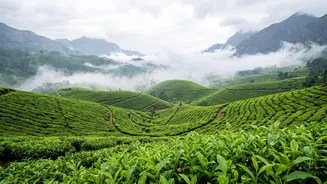
While many parts of India are breathtaking during the monsoon, some are best avoided. Researching your destination is key. Some regions are prone to severe flooding or landslides, making travel risky. On the other hand, places like the Western Ghats (Coorg, Munnar, Lonavala), Rajasthan (Udaipur), and parts of the South come alive with lush scenery and are considered relatively safe and beautiful. Destinations like Shillong and Cherrapunji are famous for their monsoon beauty but experience very heavy rainfall, which requires careful planning.
7. Driving Without Extra Caution
If you plan to drive, remember that road conditions change dramatically in the rain. Visibility is reduced, and roads become slippery, increasing braking distances. A frequent error is driving too fast for the conditions. Potholes hidden by murky water can cause serious damage to your vehicle. It is advisable to drive slowly, maintain a safe distance from the vehicle ahead, and use low-beam headlights even during the day to enhance visibility. If rain is exceptionally heavy, it's safer to pull over and wait for it to subside.