







The New Character of the Monsoon
For centuries, the Indian monsoon followed a relatively predictable pattern: four months of consistent rain that nourished crops and replenished water sources. But that pattern is becoming a relic. Climate scientists and meteorologists observe a distinct
shift towards more erratic behaviour. Instead of gentle, sustained rainfall, the monsoon is now increasingly characterized by long periods with little to no rain, punctuated by short, extremely heavy spells. A recent report highlighted this trend, noting that the country's rainfall is marked by "prolonged dry spells, and intense, short-duration downpours." This means that while the total volume of rain over a season might not change dramatically, the way it arrives has. A month's worth of rain can now fall in just a few days, creating a completely different set of challenges. This phenomenon isn't uniform, leading to sharp regional differences where some areas face deficits while others are inundated.
Why Intense Bursts Cause More Floods
It seems counterintuitive, but fewer rainy days can lead to more severe floods. The problem lies in the intensity. When rain falls in a torrential downpour, the ground, often baked hard by a preceding dry spell, cannot absorb the water fast enough. Instead of percolating into the soil to recharge groundwater, the water becomes surface runoff. This rapid accumulation overwhelms natural and man-made drainage systems. Rivers and streams, which can typically handle a steady flow, are suddenly hit with a massive volume of water, causing them to breach their banks and trigger flash floods. Studies have shown a multi-fold rise in such extreme precipitation events across central India. These short, destructive bursts are powerful enough to cause landslides and widespread damage, turning what should be a life-giving resource into a destructive force.
Urban India: A Concrete Amplifier
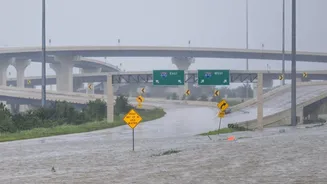
Nowhere is the impact of this new rainfall pattern more visible than in India's cities. Unplanned urbanization has replaced permeable surfaces like soil, parks, and wetlands with impermeable concrete and asphalt. When an intense burst of rain hits a city, it has nowhere to go. Aging and poorly maintained stormwater drainage systems, often clogged with silt and waste, are quickly overwhelmed. Bengaluru, for example, has lost a significant percentage of its water bodies to construction, drastically reducing its natural capacity to absorb rainwater. The result is severe waterlogging that brings cities like Mumbai, Delhi, and Chennai to a standstill year after year. This urban flooding is not just an inconvenience; it causes immense economic loss, displaces vulnerable populations, and poses serious public health risks from waterborne diseases.
The Paradox of Floods and Drought
The unevenness of the monsoon creates a troubling paradox: regions can suffer from both flooding and water scarcity in the same season. While short, intense spells cause floods, the long dry periods in between mean that overall rainfall can be deficient. As of early September 2026, despite severe floods in some areas, the country as a whole reported a rainfall deficit. This happens because the heavy runoff from downpours flows away too quickly to replenish groundwater aquifers, which are crucial for drinking water and irrigation during dry periods. Consequently, farmers who have seen their crops washed away by a flood may later face a drought. Some regions like southern peninsular India are reporting significant rainfall shortages, while other parts of the country deal with excess rain and landslides, highlighting a stark and challenging contrast.